A Guide to Calligraphy Classes for Seniors
Calligraphy, the art of beautiful handwriting, is a timeless skill that offers a wealth of benefits for people of all ages. For seniors, it presents a wonderful opportunity to engage in a relaxing, mindful activity that sharpens the mind and nurtures creativity. Whether you're looking to pick up a new hobby or revisit an old passion, calligraphy classes designed for older adults provide a supportive and enjoyable environment to learn this elegant art form.
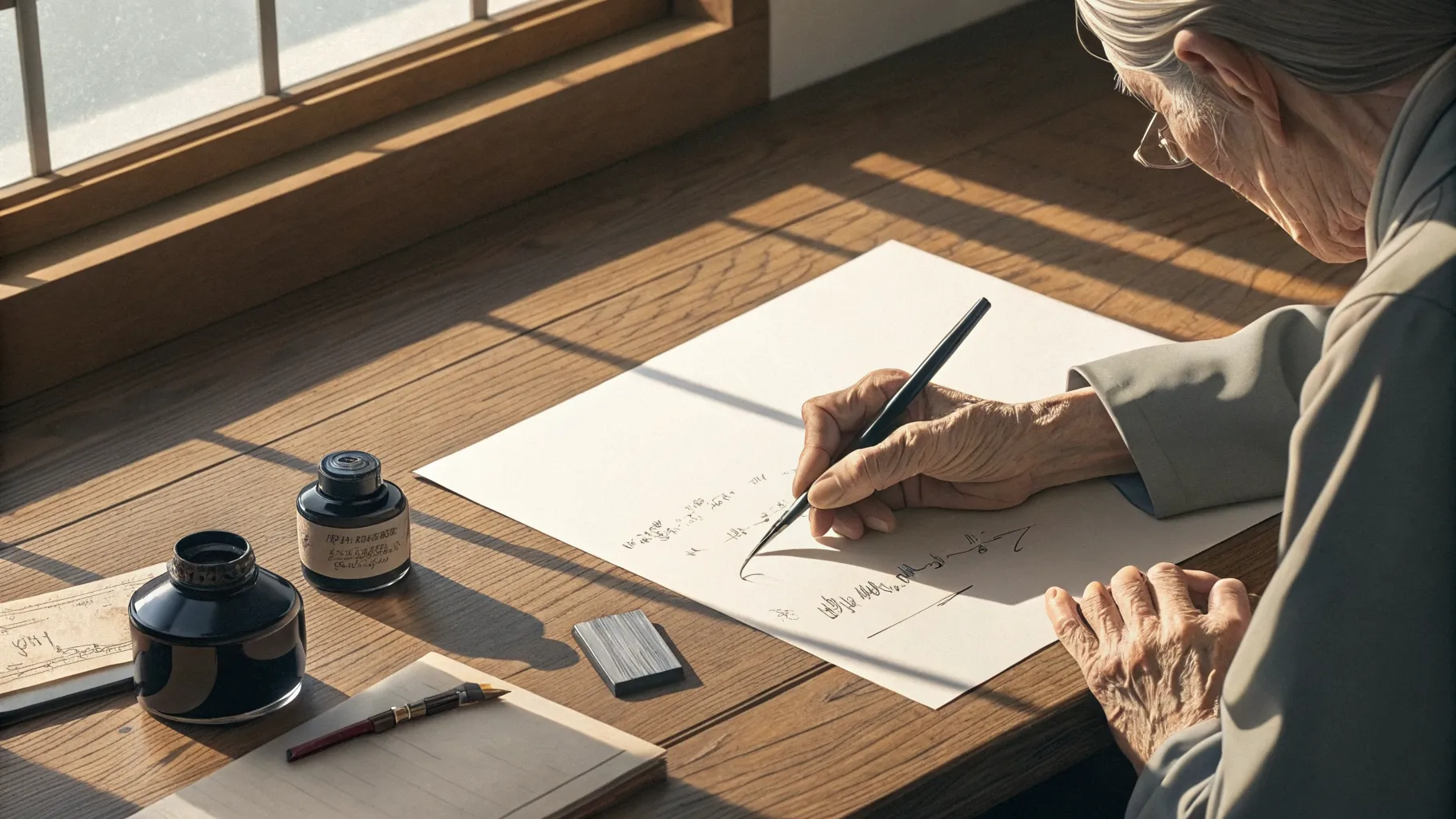
The Cognitive and Wellness Benefits of Calligraphy
Engaging in calligraphy is more than just learning to write beautifully; it's an exercise for the brain and a calming activity for the soul. The practice requires concentration and precision, which can help improve focus and cognitive function. The deliberate, slow movements involved in forming letters can be incredibly meditative, helping to reduce stress and promote a sense of tranquility. It's a peaceful escape from the hustle and bustle of daily life.
Furthermore, holding a calligraphy pen and controlling its movements helps to maintain and even improve fine motor skills and hand-eye coordination. This gentle physical engagement can be beneficial for dexterity. The sense of accomplishment that comes from creating a beautiful piece of writing also provides a significant boost to self-esteem and offers a fulfilling new way to express creativity and personality.
What to Expect in a Beginner's Class
A typical introductory calligraphy class for seniors is designed to be welcoming and pressure-free. The instructor will usually begin with an overview of the art form's history and introduce the basic tools. You will learn about the different types of pens, nibs, inks, and papers and how to properly care for them. The initial lessons focus on fundamental strokes, such as upstrokes, downstrokes, and curves, which are the building blocks of all letters.
As you progress, you will learn how to combine these strokes to form lowercase and uppercase letters. The emphasis is on process, not perfection. Instructors in senior-focused classes understand the importance of patience and encouragement, creating a supportive atmosphere where students can learn at their own pace and feel comfortable asking questions. The goal is to enjoy the journey of learning this graceful art.
Common Calligraphy Styles You Might Encounter
The world of calligraphy is vast, with many different scripts or 'hands' to learn. While you won't become an expert in all of them overnight, beginner classes often introduce students to one or two foundational styles to get started. Understanding the different options can help you find a class that aligns with your aesthetic preferences.
- Italic: A popular and relatively easy-to-learn style known for its elegant, slanted letters. It is a great starting point for beginners.
- Foundational Hand: Based on historical scripts, this style features round, open letterforms that are very legible and excellent for learning the basics of pen angle and spacing.
- Copperplate: A more intricate style characterized by fine, swelling and tapering lines, created with a pointed, flexible nib. It requires more control but produces stunning, classic results.
- Modern Calligraphy: This is a more freeform and expressive style that breaks some of the traditional rules. It allows for more personal creativity and is very popular for contemporary projects.
Finding the Right Class Format for You
Calligraphy classes are available in various formats, making it easy to find one that fits your lifestyle and learning preferences. In-person classes are a great option for those who enjoy social interaction and hands-on guidance. You can often find these at local community centers, senior centers, art supply stores, or private art studios. The immediate feedback from an instructor and the camaraderie with fellow students can be very motivating.
For those who prefer to learn from the comfort of home, online classes are an excellent alternative. These can be live, interactive sessions via video conference, or pre-recorded courses that you can follow at your own pace. Online learning offers flexibility and access to instructors from all over the world. When choosing an online course, look for one with clear video demonstrations, downloadable practice sheets, and a way to ask questions or share your work for feedback.
Essential Supplies for Getting Started
While the list of potential calligraphy supplies can seem endless, a beginner only needs a few key items to get started. Many introductory classes, both in-person and online, will offer a starter kit that includes all the necessary materials. This is often the most convenient way to ensure you have the correct tools without feeling overwhelmed by choices at an art supply store.
If you are purchasing your own supplies, you will typically need a straight or oblique pen holder, a couple of beginner-friendly nibs, a jar of black ink (like Sumi or India ink), and suitable practice paper. Look for paper that is smooth and doesn't cause the ink to bleed or feather. Many brands offer specific practice pads for calligraphy. Having the right tools makes the learning process much smoother and more enjoyable.
Tips for a Fulfilling Calligraphy Journey
The most important part of learning calligraphy is to enjoy the process. It's a skill that develops with time and practice, so patience is key. Don't be discouraged by wobbly lines or inconsistent letters at first; every calligrapher starts at the beginning. Set aside a little time each day or a few times a week to practice your strokes and letters. Regular, short practice sessions are often more effective than infrequent long ones.
Embrace the imperfections as part of your unique journey. Calligraphy is an art form, not a test of perfect penmanship. Join an online community or a local club to share your work, ask for advice, and see what others are creating. Most importantly, have fun with it. Use your new skills to write cards for loved ones, create simple art for your home, or simply enjoy the mindful act of putting pen to paper.