5 Essential Foods to Bolster Your Bone Health
Maintaining strong and healthy bones is a lifelong process, with nutrition playing a pivotal role. The foods we eat provide the essential building blocks, like calcium and vitamin D, that our skeletal system needs to stay dense and resilient. Incorporating specific nutrient-rich foods into your regular diet can be a simple yet effective strategy for supporting bone health at any age.
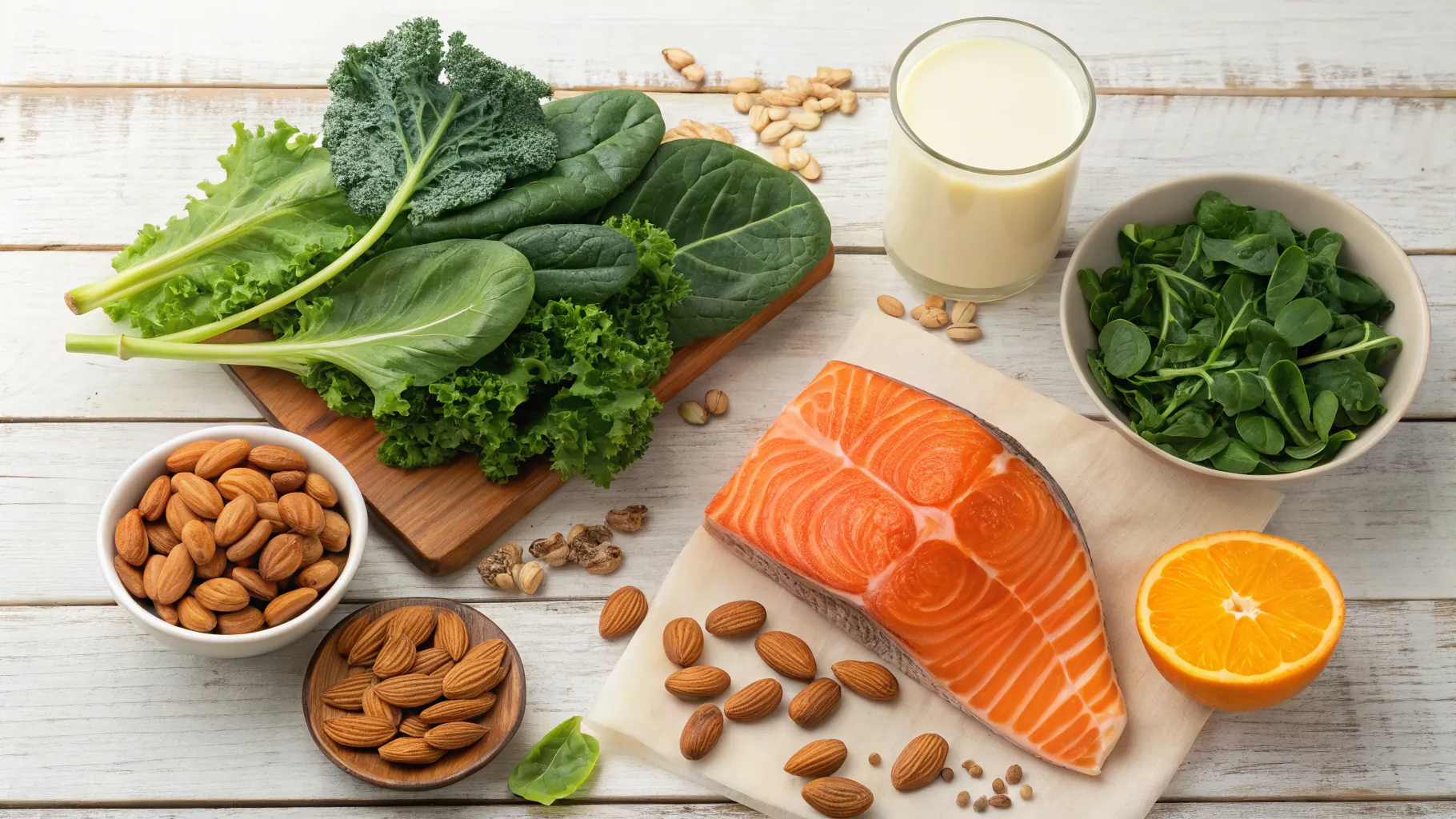
Dairy Products: The Calcium Powerhouses
When people think of bone health, dairy products like milk, yogurt, and cheese often come to mind first, and for good reason. They are among the most accessible and concentrated sources of calcium, the primary mineral that makes up your bones and teeth. A consistent intake of calcium is crucial for building bone mass during youth and preserving it during adulthood, helping to reduce the risk of fractures later in life.
Beyond calcium, dairy products provide other vital nutrients for your skeleton. Many dairy items are fortified with vitamin D, which is essential for your body to absorb calcium effectively. They also contain phosphorus, another key mineral in bone structure, and protein, which provides a framework for bones. For those with dietary restrictions, low-lactose or lactose-free dairy options are widely available, as are fortified plant-based alternatives.
Leafy Green Vegetables
Dairy isn't the only source of calcium; many dark, leafy green vegetables are also excellent contributors. Collard greens, kale, turnip greens, and bok choy are packed with this essential mineral. Including several servings of these greens in your weekly diet can significantly boost your calcium intake and provide a wealth of other vitamins and minerals beneficial for overall wellness.
These vegetables are also a prime source of Vitamin K, a nutrient that plays a direct role in bone metabolism. Vitamin K helps bind calcium to the bone matrix, contributing to its strength. While some greens like spinach also contain calcium, they are high in oxalates, compounds that can interfere with calcium absorption. Therefore, it's wise to consume a variety of leafy greens rather than relying on just one type.
Fatty Fish for Vitamin D
Vitamin D is often called the 'sunshine vitamin,' but it can also be obtained through diet, particularly from fatty fish. Salmon, mackerel, tuna, and sardines are rich sources of this crucial vitamin. Without adequate vitamin D, your body cannot properly absorb the calcium you consume, no matter how much you get from your food. This makes vitamin D a non-negotiable partner to calcium for bone health.
In addition to vitamin D, fatty fish provide high-quality protein and omega-3 fatty acids. While more research is needed, some studies suggest that omega-3s may have a positive effect on bone mineral density. For an extra bone-boosting benefit, choose canned salmon or sardines that include the soft, edible bones, as they provide an additional source of calcium.
Nuts and Seeds
Nuts and seeds are small but mighty when it comes to bone-supporting nutrients. Almonds are a good source of calcium, while walnuts contain alpha-linolenic acid, a type of omega-3 fatty acid. Many nuts and seeds, including chia seeds, flaxseeds, and pumpkin seeds, are also rich in magnesium. Magnesium is a critical mineral that assists in converting vitamin D into its active form, which in turn helps with calcium absorption.
These nutritional powerhouses also supply phosphorus, a mineral that works alongside calcium to build strong bones. Sprinkling a handful of mixed seeds on your morning yogurt or salad, or grabbing some almonds for a snack, are easy ways to incorporate these beneficial foods into your daily routine. Their combination of healthy fats, protein, and minerals makes them a well-rounded choice for skeletal support.
Fortified Foods and Drinks
For individuals who follow a vegan diet, have lactose intolerance, or simply don't consume much dairy or fish, fortified foods can be an excellent way to get necessary bone-building nutrients. Fortification involves adding vitamins and minerals to foods that don't naturally contain them. Common examples include fortified orange juice, breakfast cereals, and plant-based milks such as soy, almond, and oat milk.
When choosing fortified products, it's important to read the nutrition labels carefully to see how much calcium and vitamin D they contain, as the amounts can vary significantly between brands. These products make it easier for people with diverse dietary needs to achieve their recommended daily intake and maintain a diet that is supportive of long-term bone wellness.
Beyond Diet: Supporting Lifestyle Factors
While nutrition is a cornerstone of bone health, it works best in conjunction with a supportive lifestyle. Regular physical activity, particularly weight-bearing exercises like walking, jogging, and strength training, is essential. These activities stimulate your bones, signaling your body to build and maintain bone density. This creates a stronger, more resilient skeletal structure.
Certain habits can also negatively impact your bones. It is widely recognized that smoking and excessive alcohol consumption can interfere with the body's ability to absorb calcium, leading to lower bone mass over time. Combining a nutrient-rich diet with regular exercise and healthy habits provides a comprehensive approach to protecting and strengthening your bones for years to come.