10 Beautiful Fall Blooming Flowers for Your Autumn Garden
As summer fades and the days grow shorter, many gardeners assume the blooming season is over. However, a wide variety of autumn flowers are just getting ready to show off their vibrant colors. Exploring flowers for fall gardens can help maintain visual interest well into the cooler months.
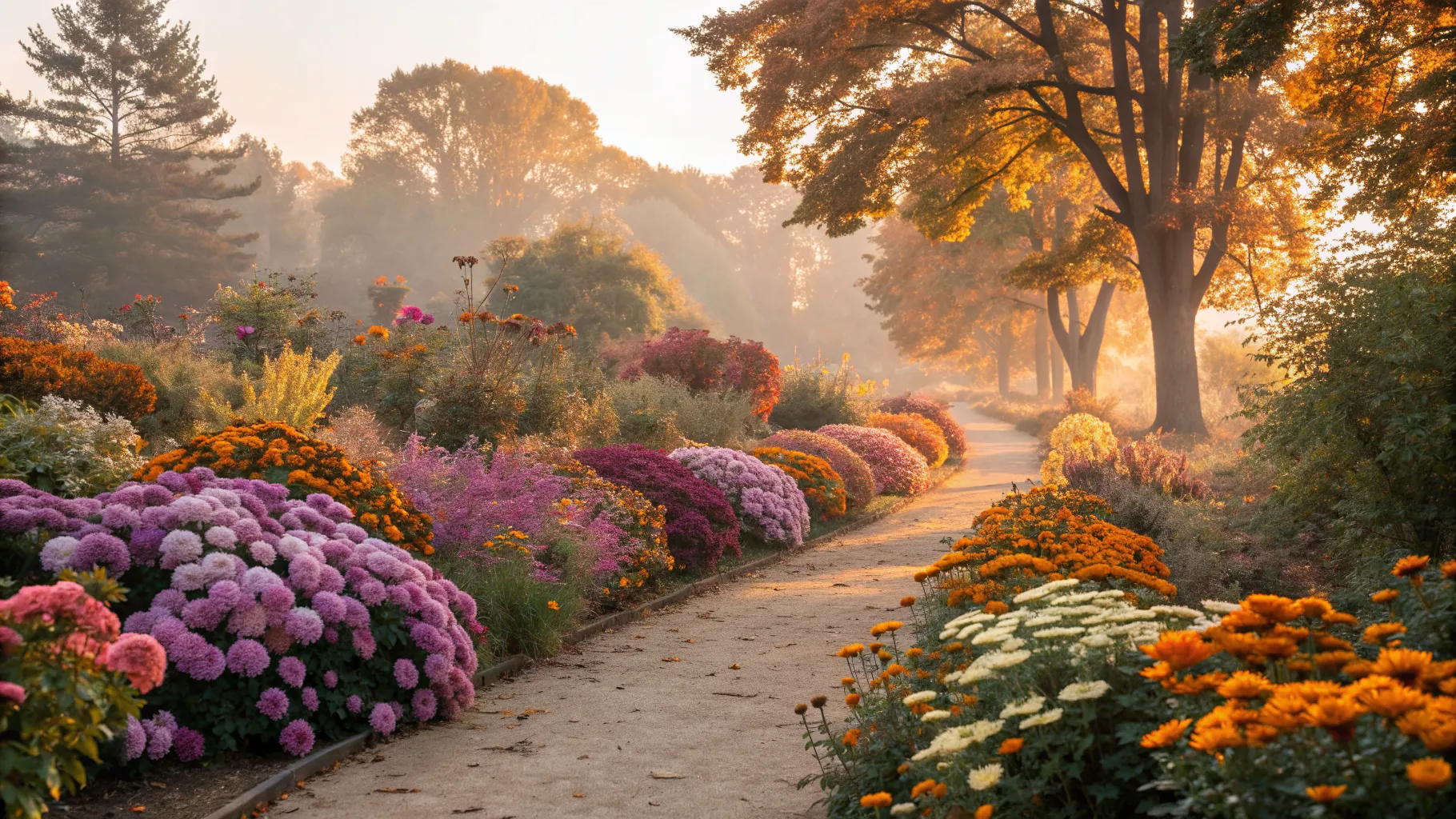
1. Chrysanthemums: The Quintessential Autumn Flower
Chrysanthemums are arguably the most recognizable fall garden plants available. Often referred to as mums, these bushy plants produce an abundance of blooms in almost every color imaginable, including deep reds, brilliant oranges, and sunny yellows. They thrive in cooler temperatures and are perfect for adding immediate bursts of color to garden beds or porch containers.
When selecting mums, it is helpful to choose varieties specifically labeled as hardy if you plan to plant them directly in the ground. Garden hardy mums have a better chance of surviving the winter and returning the following year, whereas florist mums are typically treated as annuals. Providing them with plenty of sunlight and well-draining soil will encourage a prolonged blooming period.
2. Asters: Delicate Daisy-Like Blooms
Asters are native perennials that bring a delicate, daisy-like appearance to the autumn landscape. They bloom profusely from late summer through the first hard frost, offering shades of vibrant purple, soft pink, and crisp white. Their starry flowers are highly attractive to late-season pollinators, making them a crucial food source for migrating butterflies and busy bees.
Planting asters in an area that receives full sun ensures the best floral display and helps prevent powdery mildew on their leaves. These plants range in size from compact varieties suitable for front borders to towering types that work well at the back of a garden bed. Pinching back the stems earlier in the summer can promote bushier growth and even more fall blooms.
3. Japanese Anemones: Elegant and Graceful
For those seeking a more elegant touch, Japanese anemones offer tall, wiry stems topped with saucer-shaped flowers. These autumn flowers typically bloom in shades of pure white or soft pink, adding a sense of lightness and movement to shaded or partially shaded garden areas. They contrast beautifully with the heavier textures of traditional fall foliage.
Japanese anemones can be slow to establish, but once they settle into a favorable spot, they will spread steadily to form large, impressive colonies. They prefer rich, moist soil and appreciate a layer of mulch to keep their roots cool. Because they can grow quite tall, planting them against a wall or fence provides excellent visual support.
4. Sedum: Succulent Foliage and Starry Flower Clusters
Sedum, particularly the tall border varieties, is a staple among fall blooming flowers. These robust plants feature fleshy, succulent-like leaves that look attractive throughout the spring and summer. As autumn approaches, they develop dense flower heads that gradually transition from pale green to vibrant shades of rusty red and rosy pink.
One of the most appealing aspects of sedum is its extreme drought tolerance and low maintenance requirements. These resilient plants thrive in full sun and poor soil, making them ideal for challenging garden spots. Furthermore, the dried flower heads can be left standing through the winter to provide structural interest and food for foraging birds.
5. Goldenrod: Vibrant Yellow Plumes
Goldenrod is frequently misunderstood and unfairly blamed for seasonal allergies, which are actually caused by the wind-pollinated ragweed. In reality, goldenrod is a spectacular addition to the fall garden, producing bright yellow, feathery plumes that light up the landscape. It is an absolute magnet for native bees, wasps, and butterflies preparing for winter.
There are many different species and cultivars of goldenrod available, ranging from aggressive spreaders to well-behaved clumping varieties. Gardeners looking for manageable fall garden plants should seek out compact cultivars, which stay neat and produce an arching cascade of yellow blooms. Goldenrod requires minimal care once established and thrives in a sunny location.
6. Helenium: Warm Tones and Distinctive Centers
Commonly known as sneezeweed, helenium is a fantastic perennial that delivers rich, autumnal colors like mahogany, burnt orange, and golden yellow. The flowers feature prominent, raised central cones surrounded by slightly reflexed, skirt-like petals. They add a cheerful, rustic charm to any border and blend seamlessly with ornamental grasses.
Helenium prefers soils that retain some moisture, so consistent watering is important during dry spells. These plants also benefit from being divided every few years to maintain their vigor and blooming potential. Cutting them back by half in early summer can encourage sturdier stems that will not flop over when the heavy autumn rains arrive.
7. Pansies: Cool Weather Favorites
While often associated with early spring, pansies are incredibly resilient cool-weather plants that excel as fall blooming flowers. They are available in a massive array of colors, often featuring distinctive faces or striking blotches on their petals. When planted in the fall, they provide immediate color and can often survive the winter to bloom again the following spring.
Pansies are highly versatile and work exceptionally well in window boxes, hanging baskets, and front-of-the-border plantings. To keep them looking their best, it is important to regularly remove faded flowers, a process known as deadheading. They appreciate rich soil and a balanced liquid fertilizer to support their continuous flower production.
8. Toad Lilies: Unique Shade Garden Wonders
Toad lilies are an exotic-looking option for gardeners struggling to find interesting fall blooms for heavily shaded areas. These fascinating plants feature small, orchid-like flowers that are heavily speckled with purple or blue spots. They bloom late in the season, often waiting until October to reveal their intricate blossoms along arching stems.
Because the flowers are relatively small and detailed, toad lilies are best planted near pathways or seating areas where their unique beauty can be appreciated up close. They thrive in woodland environments with rich, humus-heavy soil and consistent moisture. Once established, they are reliable performers that bring a touch of the tropics to the cooling autumn landscape.
9. Sweet Autumn Clematis: A Cloud of Fragrant White
Sweet autumn clematis is a vigorous climbing vine that puts on a spectacular show just as many other plants are winding down. In late summer and early fall, it bursts into a frothy cloud of tiny, star-shaped white flowers. Beyond its visual impact, this seasonal flower guide favorite is highly valued for its intense, sweet fragrance that can perfume an entire garden.
Gardeners should be aware that sweet autumn clematis can grow incredibly fast and requires a sturdy trellis, arbor, or fence to support its weight. It is adaptable to both sun and partial shade but will produce the most prolific blooms in a sunny spot. Hard pruning in late winter or early spring will keep the vine tidy and encourage strong new growth for the next blooming cycle.
10. Russian Sage: Lingering Lavender Hues
Although Russian sage begins blooming in mid-summer, its airy, lavender-blue flower spikes continue to provide color well into the autumn months. The plant features finely textured, silvery-grey foliage that releases a strong, herbal scent when brushed against. Its hazy, cool-colored blooms provide a striking contrast to the warm yellows and oranges typical of autumn flowers.
Russian sage is exceptionally tough, shrugging off heat, drought, and poor soil conditions with ease. It requires very little maintenance other than a hard pruning in early spring to shape the plant and encourage vigorous blooming stems. Its tall, upright habit makes it a great structural plant for the middle or back of a mixed perennial border.