Unlock Your Story: The Ultimate Guide to Writing Classes for Beginners Over 60
Facts:
- Lifelong learning significantly boosts cognitive health.
- A rising trend in creative writing courses seniors are joining.
Why It's Never Too Late to Start Your Writing Journey
Many people believe that creativity is a young person's game, but the truth is, life experience is the richest source of stories. For those over 60, a lifetime of memories, lessons, and observations provides a unique and powerful voice waiting to be heard. Engaging in writing classes for beginners over 60 is not just about learning grammar and structure; it's about unlocking the narratives within you. These courses offer a supportive environment to explore memoirs, fiction, or poetry, connecting you with peers who share a similar passion. It's an opportunity to finally tell the stories you've always wanted to, and many find that it's the perfect time to learn writing over 60 and embark on a fulfilling new hobby.
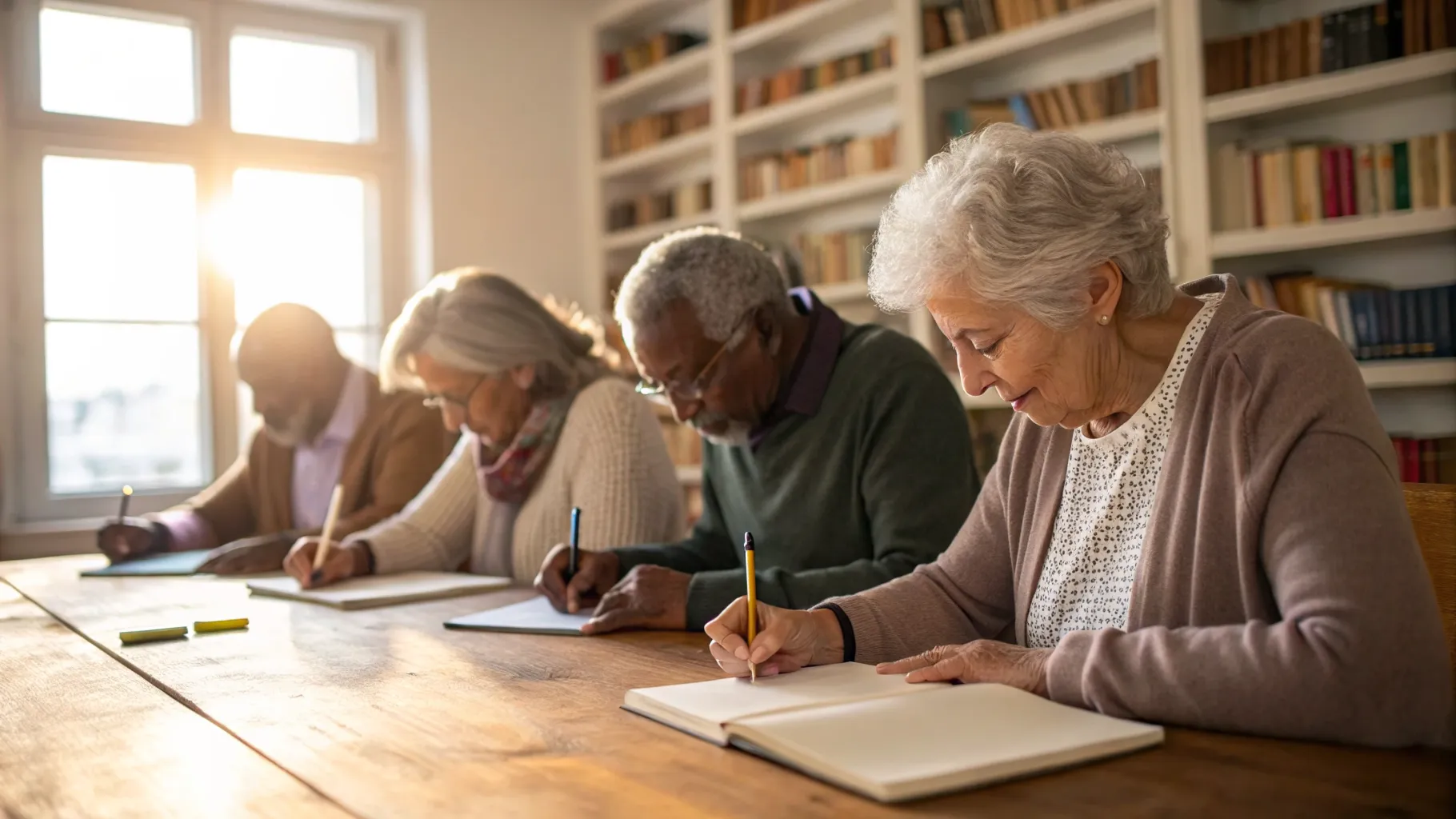
What to Expect from Beginner Writing Classes for Seniors
Stepping into a classroom, whether virtual or physical, can be daunting. However, beginner writing classes seniors are specifically designed to be welcoming and accessible. The focus is on encouragement and constructive feedback, not harsh criticism. You can expect to learn the fundamentals of storytelling, such as character development, plot construction, setting description, and dialogue. Instructors often use gentle writing prompts and exercises to spark creativity and build confidence. The curriculum in many creative writing courses seniors attend is flexible, often covering various genres from short stories to personal essays. The goal is to provide you with the tools and the confidence to express yourself effectively, transforming your life experiences into compelling prose.
Finding the Perfect Fit: Online vs. In-Person Workshops
Choosing between online and in-person learning is a key decision. In-person writing workshops for retirees, often held at community centers or local colleges, offer direct social interaction and a strong sense of community. They provide a structured time and place to focus solely on your craft. On the other hand, online writing classes for beginners over 60 offer unparalleled flexibility. You can learn from the comfort of your home, access a wider variety of instructors and specialized topics, and often work at your own pace. Many online platforms also have vibrant forums and video conferencing to foster a sense of connection. Both formats have distinct advantages, so consider your lifestyle, learning preferences, and technical comfort level when deciding which path is right for you to learn writing over 60.
Key Skills You'll Develop in These Writing Courses
Beyond just putting words on a page, these courses cultivate a range of valuable skills. Whether you're in one of the many writing workshops for retirees or an online course, you will see tangible improvement in various areas. Here are some of the core competencies you will build:
- Story Structure: You will learn the classic elements of a story, including exposition, rising action, climax, falling action, and resolution. Understanding this framework is crucial for crafting narratives that captivate readers.
- Character Creation: The best stories feature memorable characters. You'll learn techniques to create multi-dimensional characters with believable motivations, flaws, and arcs, making your stories more relatable and impactful.
- Descriptive Language: Engaging the senses is key to immersive writing. These beginner writing classes seniors join will teach you how to use vivid imagery, sensory details, and figurative language to bring your settings and scenes to life.
- Editing and Revision: Writing the first draft is only the beginning. A significant part of any creative writing courses seniors take involves learning how to revise and edit your own work—trimming unnecessary words, clarifying ideas, and polishing your prose until it shines.
Overcoming Common Hurdles for New Writers Over 60
Embarking on a new creative endeavor can come with its own set of challenges, but they are all surmountable. One common hurdle is the 'inner critic'—that voice of self-doubt that tells you your stories aren't interesting enough. The supportive environment of writing classes for beginners over 60 is designed to silence that voice by celebrating every effort and providing positive reinforcement. Another challenge can be finding the time and discipline to write regularly. The structure of a class provides accountability and a dedicated schedule, helping you build a consistent writing habit. For those new to online learning, technology can seem intimidating, but most platforms are user-friendly, and instructors are accustomed to helping students navigate the digital classroom. The most important step is simply starting.
Frequently Asked Questions
Do I need any prior experience for writing classes for beginners over 60?
Absolutely not. These courses are specifically designed for individuals with little to no formal writing experience. The only prerequisite is a desire to learn and a story to tell. Instructors start with the basics and create a non-judgmental atmosphere for everyone to grow.
What types of writing are usually covered in creative writing courses seniors?
Most courses cover a variety of genres to help you find your niche. Common topics include memoir writing, personal essays, short fiction, poetry, and even introductory novel writing. Some specialized workshops may focus on a single genre, like travel writing or family history.
Are there specific writing workshops for retirees that focus on memoirs?
Yes, memoir and life story writing are incredibly popular topics. Many organizations and instructors offer workshops dedicated exclusively to helping retirees document their life experiences. These are excellent spaces to learn how to structure your personal narrative in a compelling way.
References
- The National Centre for Creative Learning report on senior education.
- Journal of Gerontological Studies on cognitive benefits of writing.
- Community Arts Council survey on retiree workshop participation.