Sizzle This Summer: The Ultimate Guide to Summer Cooking Classes for Beginners
Facts:
- The global market for cooking classes has seen a 25% increase in interest post-pandemic.
- A recent trend shows a surge in themed summer cooking workshops focusing on farm-to-table cuisine.
Embrace the Heat: Why Summer is the Perfect Time for Cooking Classes
Summer is a season of vibrant energy, fresh produce, and new experiences. It's the perfect opportunity to step out of your comfort zone and acquire a skill that will last a lifetime. This year, why not dive into the culinary arts by enrolling in summer cooking classes? Whether you're a complete novice who can barely boil water or a home cook looking to refine your techniques, there's a class for you. These sessions offer more than just recipes; they provide a foundation for creativity, confidence in the kitchen, and a deeper appreciation for food. Engaging in structured cooking lessons is an incredible way to make the most of the long, sunny days, and it's an ideal setting to finally learn cooking fundamentals from professionals.
What to Expect from Summer Cooking Workshops
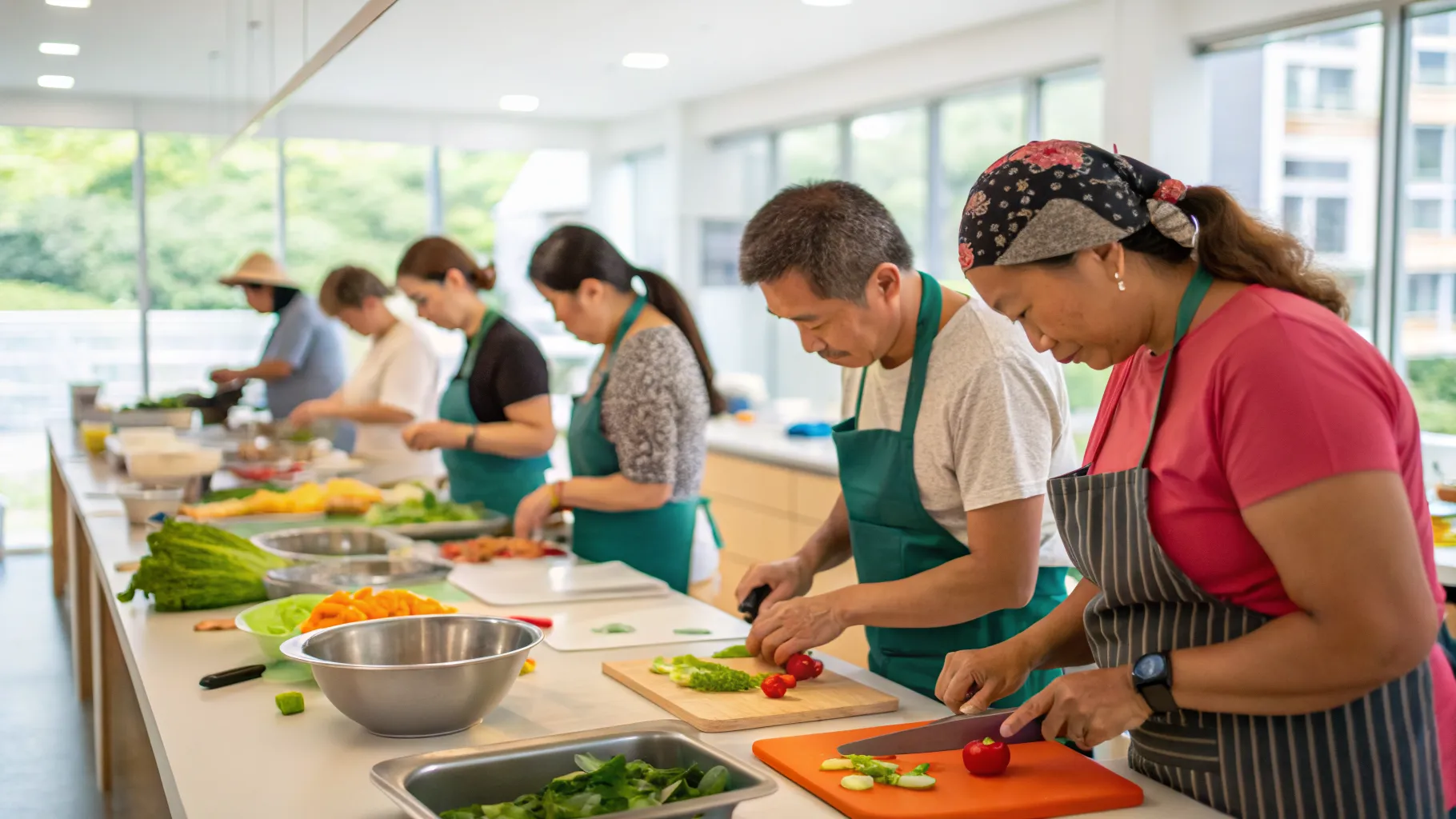
When you sign up for summer cooking workshops, you are signing up for an immersive, hands-on experience. Unlike watching a cooking show, these workshops put you right in the middle of the action. You'll work with fresh, seasonal ingredients, often sourced from local farms, to create delicious dishes from scratch. An expert chef will guide you through every step, from proper knife skills to advanced plating techniques. The environment is typically collaborative and social, allowing you to meet new people who share your passion for food. Most summer cooking classes are designed to be fun and educational, ensuring you leave not only with a full stomach but also with a set of new skills you can replicate at home. These are not just lectures; they are practical sessions where you get to taste, smell, and create.
Choosing the Right Cooking Classes for Beginners
For those new to the kitchen, the idea of a professional class can be intimidating, but many courses are specifically designed as cooking classes for beginners. When selecting a class, look for titles like 'Kitchen Fundamentals,' 'Intro to Culinary Arts,' or 'Basic Knife Skills.' These courses focus on the essential building blocks of cooking. Pay attention to the class size; smaller groups often mean more one-on-one time with the instructor. Read the curriculum carefully to ensure it covers topics you're interested in, such as sauce making, basic pastry, or specific cuisines. Don't be afraid to contact the school and ask questions. A good program of cooking classes for beginners will build your confidence step-by-step, providing a supportive and encouraging atmosphere where mistakes are seen as learning opportunities.
The Tangible Benefits of Taking Summer Cooking Lessons
The rewards of taking cooking lessons extend far beyond just learning a few new recipes. One of the most significant benefits is the boost in culinary confidence. Mastering a new technique or successfully creating a complex dish is incredibly empowering. Furthermore, when you learn cooking, you gain complete control over your diet, enabling you to make healthier and more mindful food choices. It can also be a significant budget-saver, as cooking at home is often far more economical than dining out. The social aspect is another huge plus; summer cooking workshops are a fantastic way to bond with friends, family, or meet new people. Ultimately, these classes equip you with a creative outlet and a practical life skill that you will use and enjoy for years to come.
Maximize Your Experience: Tips for Your First Cooking Class
To get the most out of your first culinary class, a little preparation goes a long way. These actionable tips will help you feel comfortable and ready to learn.
- Review the Basics: Before you go, read the class description and any provided materials. If the class is about Italian cooking, for example, familiarize yourself with a few common ingredients or terms. This will help you follow along more easily during the cooking lessons.
- Arrive Early and Prepared: Get there a few minutes early to find your station and settle in. Wear comfortable clothing and closed-toe shoes for safety. Tie back long hair and be ready to dive in. This shows respect for the instructor and fellow students.
- Don't Be Afraid to Ask Questions: The instructors are there to help you. If you don't understand a term or a technique, ask for clarification. Participating in cooking classes for beginners is all about learning, and there are no stupid questions.
- Embrace Teamwork and Mistakes: Many classes involve partner or group work. Be open to collaborating and learning from your peers. Remember that everyone, even professional chefs, makes mistakes. See any errors as a valuable part of the journey to learn cooking.
- Take Notes: While you'll likely receive recipes, jot down personal notes about the instructor's tips, the feel of the dough, or the smell of the spices. These sensory details will help you remember the techniques when you're back in your own kitchen enjoying your new skills from the summer cooking classes.
Frequently Asked Questions
Are these summer cooking classes suitable for absolute beginners?
Absolutely. Many of our programs are specifically designed as cooking classes for beginners. They start with fundamental skills like knife safety, basic sauce making, and understanding flavors. The goal is to build your confidence from the ground up in a supportive environment.
What should I bring to my first of the summer cooking workshops?
Generally, all equipment and ingredients are provided. We recommend you wear comfortable clothes and closed-toe shoes for safety. You may want to bring a notebook and pen to jot down extra tips and an appetite to enjoy the delicious food you create!
How long do typical cooking lessons last?
The duration can vary. A single-topic class might last between 2 to 3 hours, while more intensive summer cooking workshops can be a full day or span across several days. The specific duration will always be listed in the course description.
References
- Culinary Institute of America Annual Reports
- Food & Wine Magazine Industry Surveys
- Journal of Culinary Science & Technology
- Global Gastronomy Trends Analysis