Home Repair Classes for Beginners: Your Ultimate Guide to DIY Skills
Facts:
- Most minor home repairs cost over $150 per professional visit.
- A rising trend in homeownership is the desire for self-sufficiency through diy home repair classes.
Why Taking a Home Repair Class is Your Best First Step
Stepping into homeownership is exciting, but it comes with the responsibility of maintenance and repairs. Leaky faucets, faulty light switches, and drafty windows can seem daunting and expensive to fix. This is where home repair classes for beginners become an invaluable investment. Instead of relying on costly professionals for every minor issue, you can gain the confidence and skills to tackle common household problems yourself. Enrolling in beginner home repair classes is not just about saving money; it's about empowerment, understanding how your home works, and developing a sense of pride in your ability to maintain your own space. These courses are specifically designed for individuals with no prior experience, breaking down complex tasks into manageable, easy-to-understand steps. The goal is to provide a solid foundation in home maintenance training that you can build upon for years to come.
What to Expect in Beginner Home Repair Classes
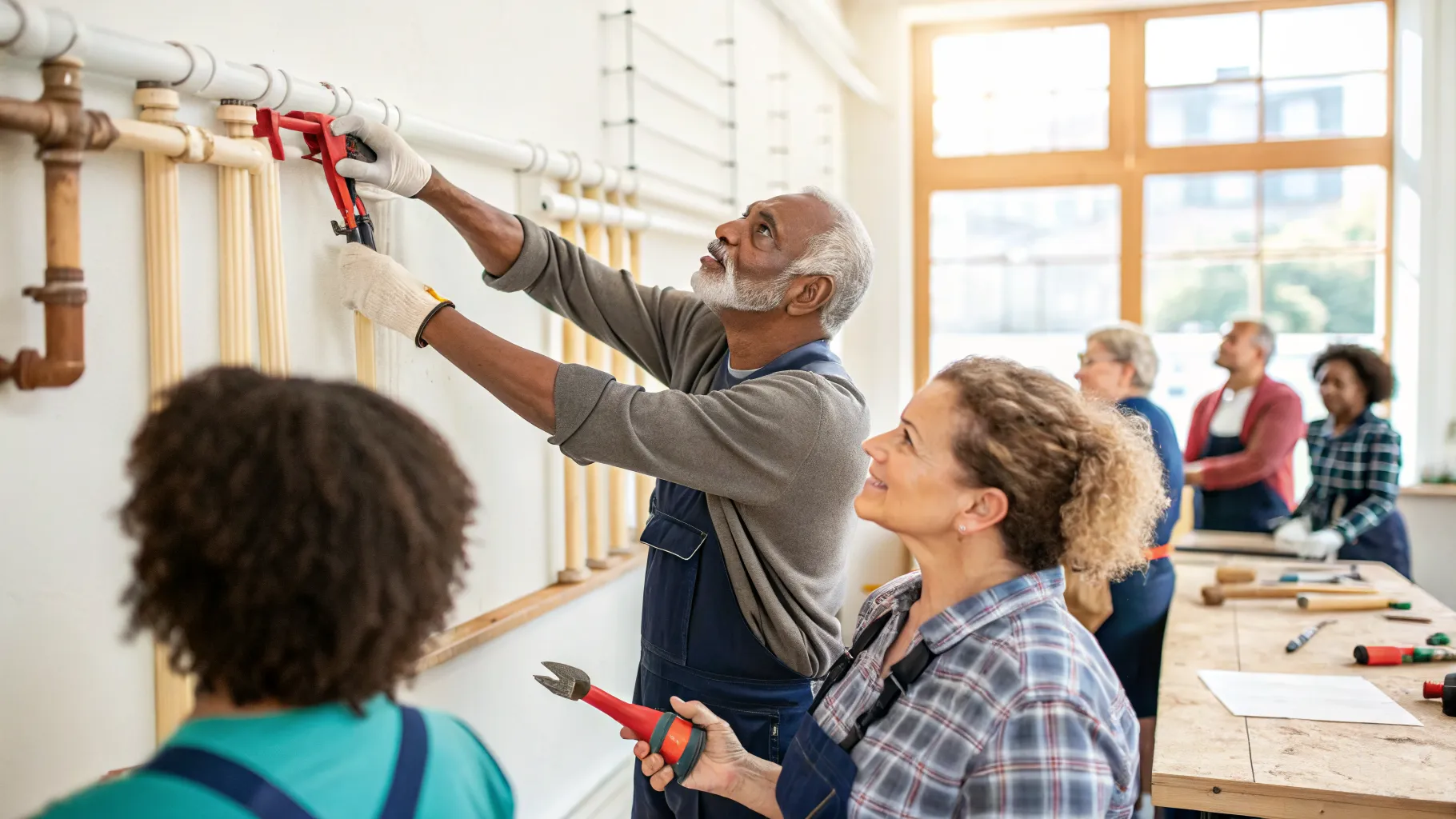
When you sign up for beginner home repair classes, you're embarking on a journey to practical knowledge. The curriculum is typically structured around the most common issues homeowners face. You'll move beyond theory and get your hands dirty with real tools and materials in a safe, supervised environment. Most introductory courses cover a core set of skills. For instance, you will likely learn home repair techniques for basic plumbing, such as fixing a running toilet, clearing a clogged drain, or replacing a faucet. Electrical basics are also a cornerstone, teaching you how to safely replace a light fixture, install a dimmer switch, or change an outlet. Other common modules include drywall repair for patching holes, basic carpentry for fixing a squeaky door, and understanding the fundamentals of painting and caulking for a professional finish. The best diy home repair classes emphasize safety above all, ensuring you know how to turn off water mains and circuit breakers before starting any project.
Choosing the Right DIY Home Repair Classes for You
The market for home improvement education has expanded, offering a variety of formats to suit different learning styles and schedules. When selecting a course, consider the trade-offs between in-person and online options. In-person workshops, often held at community colleges or hardware stores, provide the significant advantage of hands-on guidance from an experienced instructor. You can ask questions in real-time and get immediate feedback on your technique, which is crucial for learning practical skills. Conversely, online home repair classes for beginners offer unparalleled flexibility. You can learn at your own pace, re-watch video demonstrations as needed, and fit the lessons into your busy life. Many online platforms also have active communities or forums where you can ask questions. Before committing, check reviews, examine the curriculum to ensure it covers the topics you're most interested in, and compare costs. A good program will provide a clear syllabus and a list of any tools or materials you might need to purchase.
Essential Skills Gained from Home Maintenance Training
Completing a comprehensive home maintenance training program equips you with more than just the ability to fix things; it gives you a proactive mindset for home care. You'll develop a keen eye for potential problems before they escalate into major, expensive disasters. This preventative approach is a key takeaway from any quality course. Here are some of the critical skills you will master:
- Tool Proficiency: You'll learn the proper and safe use of essential hand and power tools, from drills and saws to wrenches and multimeters. Understanding the right tool for the job is half the battle.
- Diagnostic Abilities: Instead of just seeing a problem, you'll learn to diagnose its root cause. This skill is vital for effective and lasting repairs, a core part of any effort to learn home repair.
- Safety Protocols: You will gain critical knowledge about home safety, including when to shut off water, gas, and electricity, and how to work with each system without risk. This is a non-negotiable part of responsible DIY.
- Material Knowledge: From selecting the right type of screw for drywall to choosing the correct caulk for your bathroom, understanding materials is fundamental to the success and longevity of your repairs.
Putting Your New Skills into Practice
Once you've completed your home repair classes for beginners, the real learning begins as you apply your knowledge at home. Start with small, manageable projects to build your confidence. Perhaps tackle that dripping kitchen faucet or patch a small hole in the wall. The key is to start with low-risk tasks where a mistake won't cause significant damage. As you complete each project successfully, you'll feel more empowered to take on slightly more complex challenges. Document your work, take before and after pictures, and don't be afraid to consult your course materials or online resources if you get stuck. Remember that every successful repair not only saves you money but also adds to your skill set, making you a more capable and self-sufficient homeowner. This practical application is the ultimate goal of any home maintenance training program.
Frequently Asked Questions
Are home repair classes for beginners really worth the cost?
Absolutely. The cost of a single professional service call for a plumber or electrician can often exceed the tuition for an entire course. By investing in beginner home repair classes, you gain skills that will save you money repeatedly over the lifetime of your home ownership.
What tools do I need to start to learn home repair?
Most introductory classes will provide the necessary tools during instruction. However, a good starter toolkit for any homeowner should include a hammer, a set of screwdrivers, pliers, a tape measure, a utility knife, an adjustable wrench, and a power drill. Your course will likely provide a more detailed recommendation list.
Can I really learn complex tasks like plumbing from diy home repair classes?
Yes, these classes are designed to teach foundational skills. While you won't become a master plumber overnight, you will learn how to handle common issues like fixing leaks, replacing fixtures, and clearing drains, which account for a large percentage of household plumbing problems. The goal of diy home repair classes is to empower you to handle these frequent and manageable tasks safely and effectively.
References
- The National Association of Home Builders
- The Home Depot Community Workshops Guide
- Journal of Consumer Education and Home Economics
- This Old House: DIY Basics