Your Ultimate Guide to Baking Classes for Beginners in 2026
Facts:
- The art of baking dates back to at least 6500 B.C.
- Online baking courses saw a 200% surge in interest last year.
Why Enrolling in Baking Classes is Your First Step to Pastry Perfection
Embarking on a culinary journey can be both exciting and intimidating. For many, the dream of creating beautiful cakes, flaky pastries, and artisanal bread seems just out of reach. This is precisely where baking classes for beginners come in. These structured courses are designed to demystify the science and art of baking, providing a solid foundation for anyone eager to learn baking. Instead of relying on confusing online videos or old family recipes with missing steps, beginner baking classes offer expert guidance, hands-on practice, and a supportive environment to ask questions and build confidence from scratch. It's the most effective way to turn your baking aspirations into delicious realities.
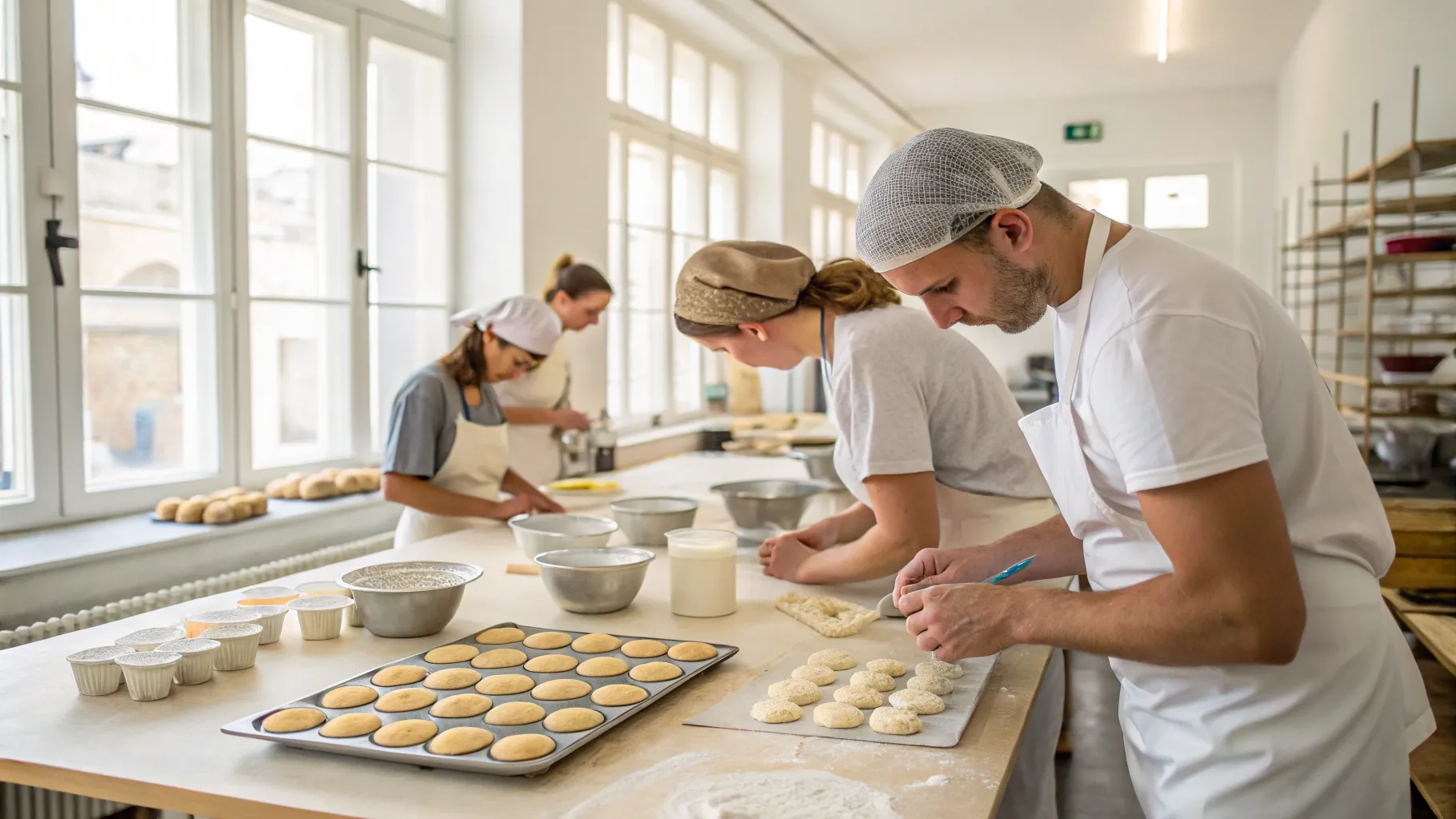
What to Expect in Your First Beginner Baking Classes
Stepping into your first class can be a thrilling experience. Most beginner baking classes are structured to welcome complete novices. You'll typically start with the absolute basics: understanding your tools and ingredients. Instructors will walk you through the importance of precise measurements, the difference between chemical leaveners like baking soda and baking powder, and the function of key ingredients such as flour, fat, and sugar. From there, you'll move on to fundamental techniques. These often include proper mixing methods (like creaming, folding, and kneading), temperature control, and understanding how oven heat works. Many baking lessons focus on a single category per session, such as cookies, simple cakes, or yeast breads, allowing you to master one skill before moving to the next. The goal is to build a strong, repeatable foundation that you can apply to countless recipes in the future.
Choosing the Right Baking Workshops for You
The variety of available courses means there is a perfect fit for every aspiring baker. When selecting from the many baking workshops available, consider your learning style and goals. In-person baking classes for beginners offer invaluable hands-on experience and immediate feedback from professional chefs. This format is ideal for those who learn by doing and enjoy a collaborative atmosphere. On the other hand, online baking lessons provide incredible flexibility, allowing you to learn baking at your own pace from the comfort of your kitchen. Many online platforms offer pre-recorded videos, live interactive sessions, and community forums. Also, consider the focus of the workshop. Some are comprehensive courses covering a wide range of basics, while others specialize in areas like sourdough bread, French pastries, or cake decorating. Evaluating these factors will help you choose the best path for your culinary education.
Essential Skills You'll Master in Baking Lessons
The skills you acquire in baking classes for beginners are transferable and will serve you for a lifetime. Beyond specific recipes, you will learn the core principles that govern all successful baking. This includes developing a 'baker's sense' – knowing how a dough should feel, how to spot when a cake is perfectly baked, and how to troubleshoot common problems like sinking middles or tough crusts. You'll gain proficiency in techniques that separate amateurs from experts, such as achieving a light and airy crumb in cakes, laminating dough for croissants, and creating stable meringues. These baking lessons also teach crucial kitchen management skills, including mise en place (preparing all your ingredients before you start), kitchen safety, and proper equipment care. Ultimately, you'll walk away not just with a few new recipes, but with the confidence and knowledge to tackle any baking project.
Tips for Making the Most of Your Baking Education
To maximize the value you get from baking workshops, a little preparation and the right mindset can go a long way. Being an active and engaged participant is key to your success. Here are some actionable tips:
- Come Prepared: Before each class, review the recipe or techniques that will be covered. This will help you formulate questions and understand the context of the lesson better than going in cold.
- Don't Be Afraid to Ask Questions: Your instructor is there to help. If you don't understand a term or a technique, ask for clarification. There are no silly questions when you are trying to learn baking.
- Take Detailed Notes: Write down not just the steps, but the 'why' behind them. Note the instructor's tips, visual cues, and answers to other students' questions. This will be an invaluable resource later.
- Practice at Home: The most important step is to practice what you've learned. Try to replicate the recipes from your beginner baking classes at home soon after the lesson to solidify your new skills.
- Connect with Classmates: Build a community with fellow students. Sharing your successes and failures can be a great source of motivation and learning. You can even form study groups to practice together.
From Novice to Confident Baker: The Learning Journey
The path from a nervous beginner to a confident home baker is a rewarding one, built upon the foundation you establish in your initial courses. Your first successful loaf of bread or perfectly frosted cake will be a huge milestone. As you progress through various baking lessons, you'll notice your intuition growing. You'll start to understand how to adapt recipes, substitute ingredients, and even create your own unique baked goods. The journey to learn baking is continuous; even professional bakers are always learning. Embrace the process, celebrate your progress, and don't be discouraged by the occasional failure—it's all part of becoming a better baker. The skills learned in baking classes for beginners are just the start of a delicious and creative lifelong hobby.
Frequently Asked Questions
How much do baking classes for beginners typically cost?
The cost can vary significantly based on location, class duration, and instructor expertise. A single, three-hour in-person workshop might range from $75 to $150, while comprehensive multi-week courses can cost several hundred dollars. Online classes often offer a more affordable entry point.
Do I need any prior experience to join beginner baking classes?
Absolutely not. These classes are specifically designed for individuals with little to no prior baking experience. The curriculum starts with the most basic fundamentals, ensuring everyone can follow along and build skills from the ground up.
What kind of recipes will I learn baking in these courses?
Most beginner courses focus on foundational recipes that teach core techniques. You can expect to learn how to make classic items like chocolate chip cookies, simple vanilla or chocolate cakes, basic muffins, scones, and perhaps a simple yeast bread or pizza dough.
References
- Culinary Institute of America Foundational Studies
- Journal of Food Science and Technology
- Home Baking Market Analysis Reports
- Professional Pastry Chef Guild Publications