Mastering the Digital World: Your Ultimate Guide to Computer Basics Classes
Facts:
- Digital literacy is now considered a fundamental life skill.
- Enrollment in digital literacy classes for seniors is rapidly growing.
Why Enrolling in Computer Basics Classes is Your Key to Digital Confidence
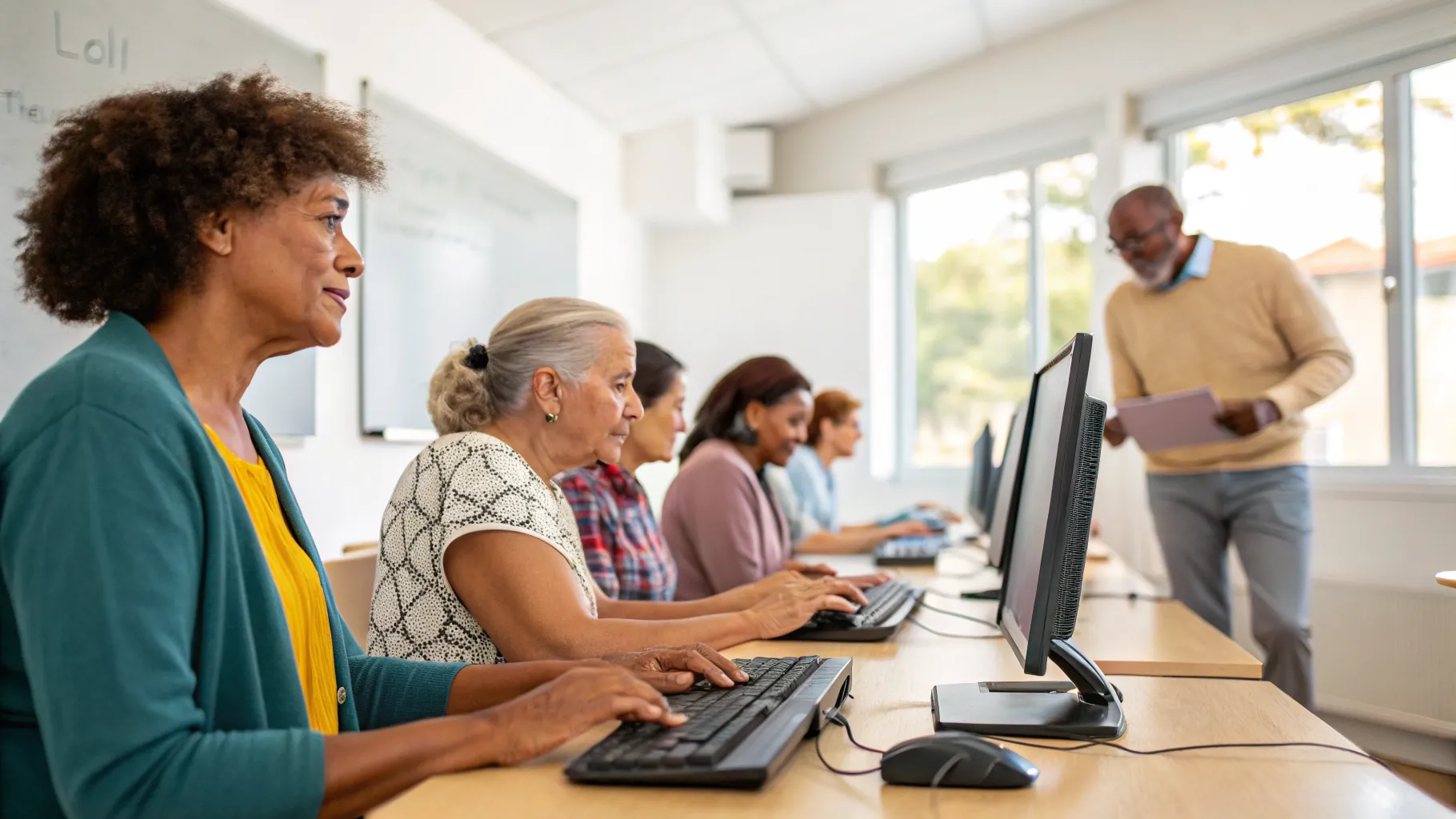
In today's interconnected world, the ability to navigate a computer is no longer a luxury but a fundamental necessity. For many individuals, especially older adults, the digital landscape can seem overwhelming and complex. This is precisely where computer basics classes come in, offering a structured, supportive, and patient environment to learn computer skills from the very beginning. These courses are thoughtfully designed to demystify technology, breaking down complex concepts into easy-to-understand modules. The primary goal is to empower everyone, including those attending basic computer classes for retirees, with the essential confidence to connect with loved ones, manage daily tasks efficiently, and safely access a world of information and entertainment online.
What Core Skills Will You Learn in Computer Basics Classes?
The curriculum of most introductory computer basics classes is carefully structured to build a strong foundation. You won't be thrown into complex programming; instead, the focus is on practical, everyday skills that have an immediate impact on your life. The journey begins with the absolute fundamentals, ensuring no one is left behind. You can expect to master hardware essentials like identifying different parts of a computer, and confidently using a mouse and keyboard. From there, you'll delve into the software side, learning to navigate the operating system (like Windows or macOS), open and close programs, and manage your files and folders effectively. These foundational digital literacy classes are crucial for building the framework needed for more advanced tasks. The aim is to make you comfortable and self-sufficient in your digital interactions.
Finding the Perfect Computer Classes for Seniors
When searching for the right course, it's important to find one that caters specifically to the needs of older learners. The best computer classes for seniors prioritize a patient, slow-paced learning environment where questions are encouraged and there's no pressure to keep up. Look for programs offered at local community centers, libraries, or dedicated organizations for retirees. These venues often provide excellent basic computer classes for retirees that focus on relevant topics such as using email to contact family, video calling with grandchildren, safely browsing the internet for hobbies, and identifying online scams. The instructors in these settings are typically experienced in teaching adults and understand the unique challenges and learning styles that may be present, ensuring a positive and encouraging experience for everyone looking to learn computer skills.
The Transformative Benefits of Digital Literacy
Gaining digital skills goes far beyond simply knowing how to use a device; it opens up a new world of connection, convenience, and lifelong learning. By participating in digital literacy classes, you can overcome feelings of isolation by easily connecting with friends and family through social media and video calls, regardless of geographical distance. Daily errands become simpler through online banking, shopping, and appointment scheduling. Access to reliable health information and telehealth services is another significant advantage. Furthermore, the internet provides endless opportunities for entertainment and pursuing hobbies, from streaming old movies and listening to music to joining online book clubs or taking up digital photography. These computer basics classes are the gateway to a more engaged, independent, and enriched life.
Online vs. In-Person Classes: Which Format Is Best for You?
Deciding between online and in-person computer basics classes depends on your personal learning style, schedule, and comfort level. In-person classes, often hailed as the best format for computer classes for seniors, offer the invaluable benefit of direct, hands-on assistance from an instructor. If you get stuck, help is immediately available. This format also provides a social environment, allowing you to learn alongside peers. On the other hand, online courses offer unparalleled flexibility, allowing you to learn computer skills from the comfort of your own home and at your own pace. Many online platforms provide pre-recorded video lessons that you can pause and rewatch as needed. Some even offer live virtual classrooms that blend flexibility with real-time instructor support. Consider a local, in-person class if you value structure and direct help, or an online option if you need a flexible schedule.
Actionable Advice for Success in Your Digital Journey
To get the most out of your learning experience, it's helpful to approach your classes with a positive mindset and effective strategies. Here are some tips for success:
- Be Patient and Persistent: Learning any new skill takes time. Don't be discouraged by initial challenges. Celebrate small victories and remember that every expert was once a beginner. Consistency is key.
- Ask Questions Freely: Your instructors are there to help. There are no 'silly' questions. If you don't understand something, ask for clarification. Chances are, someone else in the class has the same question.
- Practice Regularly: The skills learned in computer basics classes are best reinforced through regular practice. Try to spend a little time each day using your computer, even if it's just for 15-20 minutes, to build muscle memory and confidence.
- Take Notes: Writing down key steps, shortcuts, and vocabulary can be incredibly helpful. Keep a dedicated notebook to refer back to when you are practicing on your own. This reinforces what you've learned in the digital literacy classes.
Frequently Asked Questions
Are computer basics classes expensive?
The cost of computer basics classes can vary significantly. Many local libraries, community centers, and non-profit organizations offer free or very low-cost digital literacy classes to serve the community. Private training companies may have higher fees but might offer more specialized curriculum or one-on-one tutoring. It's always best to research the options in your local area to find a program that fits your budget.
How long does it take to learn computer skills?
The duration to learn computer skills really depends on the individual's pace and the course's intensity. A typical introductory program, such as basic computer classes for retirees, might last anywhere from four to eight weeks, with classes held once or twice a week. The goal is not to become an expert overnight but to build a solid, confident foundation upon which you can continue to learn and grow your skills.
What if I have never touched a computer before?
That is perfectly alright! The best computer classes for seniors are specifically designed for absolute beginners. They start with the most fundamental concepts, such as how to turn the computer on and off, how to hold and use a mouse, and the basics of the keyboard. Instructors in these courses are chosen for their patience and ability to create a welcoming, non-intimidating atmosphere for all learners.
References
- Pew Research Center reports on technology adoption
- National Institute on Aging publications on seniors and technology
- Community Technology Network curriculum guides
- AARP studies on digital literacy among older adults