Understanding the Signs of a Leaky Heart Valve
Your heart has four valves that act like one-way doors, ensuring blood flows in the correct direction. When one of these valves doesn't close properly, blood can leak backward, a condition known as heart valve regurgitation. Understanding the potential signs is an important step in recognizing when to seek medical advice.
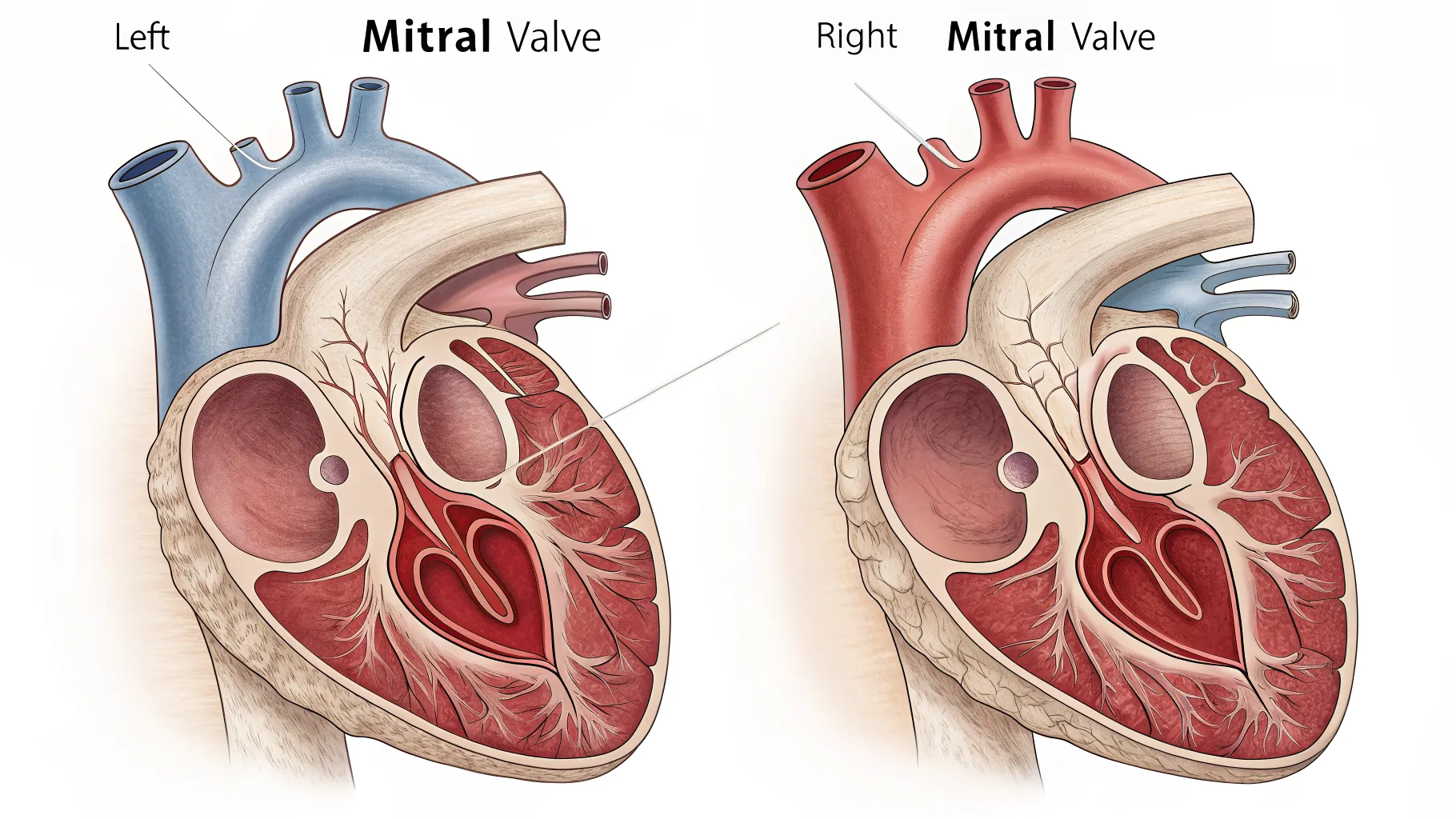
What is a Leaky Heart Valve?
The human heart is a powerful pump with four chambers and four valves: the mitral, tricuspid, aortic, and pulmonary valves. Their job is to open and close with each heartbeat, directing blood flow through the heart and out to the rest of the body. A 'leaky' valve, or regurgitant valve, is one that fails to form a tight seal when it closes. This allows a certain amount of blood to flow back into the chamber it just left.
This backward flow means the heart has to work harder to pump the same amount of blood forward. Over time, this extra strain can cause the heart muscle to thicken or the chambers to enlarge. The severity can range from mild, causing no symptoms, to severe, which can significantly impact heart function if left unaddressed.
Common Symptoms of Heart Valve Regurgitation
When a leaky heart valve begins to affect the body, several common symptoms may appear. These often develop gradually and can sometimes be mistaken for normal signs of aging or being out of shape. It's the persistence or worsening of these signs that can indicate an underlying issue.
Some of the most frequently reported symptoms include:
- Shortness of breath: You might notice this particularly during physical activity or when you are lying down flat.
- Fatigue or weakness: A general feeling of being tired or having less energy than usual for daily activities.
- Lightheadedness or dizziness: A sensation of feeling faint, which can sometimes lead to fainting spells (syncope).
- Heart palpitations: A feeling of a rapid, fluttering, or pounding heartbeat.
More Subtle and Progressive Signs
As cardiac valve strain increases over time, other symptoms can emerge. These signs often point to the heart's reduced ability to pump blood efficiently, leading to fluid buildup in other parts of the body. You might not connect these symptoms to a heart issue at first, as they can be subtle.
Keep an eye out for swelling, also known as edema, in the feet, ankles, or legs. This occurs when the heart can't pump blood effectively, causing fluid to accumulate in the extremities. Another progressive sign can be a rapid, unexplained weight gain due to fluid retention. A persistent cough or wheezing, especially when lying down at night, can also be a symptom caused by fluid backing up into the lungs.
Heart Valve Disease Warning Red Flags
While many symptoms of a leaky valve develop slowly, there are certain red flags that signal a more serious problem and should prompt a conversation with a healthcare professional. These signs may indicate that the heart is under significant strain and is struggling to compensate for the faulty valve.
Pay close attention to any chest pain, discomfort, or tightness. This symptom, known as angina, occurs when the heart muscle isn't getting enough oxygen-rich blood. Any sudden, severe shortness of breath that isn't relieved by rest is another major warning sign. Fainting or loss of consciousness should always be evaluated, as it can indicate that not enough blood is reaching the brain.
Understanding Related Conditions like Heart Murmurs
A heart murmur is a sound, such as a whooshing or swishing noise, made by turbulent blood flow in or near the heart. A doctor can hear this sound using a stethoscope during a physical exam. It's important to understand that a murmur itself is not a disease, but rather a sign that might point to an underlying condition, such as a leaky valve.
Many heart murmurs are harmless, often called 'innocent' murmurs, and don't require any treatment. However, an 'abnormal' murmur can be the first clue a doctor has that a valve may not be working correctly. If a murmur is detected, a doctor will likely recommend further tests, such as an echocardiogram, to get a clear look at the heart's structure and function, including the valves.
How a Leaky Heart Valve is Diagnosed
Diagnosing a leaky heart valve typically begins with a discussion of your symptoms and a physical examination. A doctor will use a stethoscope to listen carefully to your heart for sounds like a murmur that could indicate a valve issue. They will also check for physical signs like swelling in the ankles or an irregular pulse.
The most common and effective diagnostic tool for heart valve problems is an echocardiogram. This is an ultrasound test that uses sound waves to create moving pictures of your heart. It allows doctors to see the size and shape of your heart chambers, assess how well it's pumping, and directly observe the valve leaflets as they open and close to determine if they are leaking. Other tests, like an electrocardiogram (ECG) or chest X-ray, may also be used to gather more information about your heart's health.