A Guide to Exploring the Baltic Capitals by Cruise
A cruise through the Baltic Sea offers an incredible opportunity to visit several of Northern Europe's most historic and culturally rich capital cities in a single trip. This journey takes you across ancient maritime trade routes to discover a blend of Scandinavian design, medieval history, and modern vibrancy. For travelers looking for an efficient and immersive way to see this region, a Baltic cruise is an excellent option.
What Defines a Baltic Capitals Cruise?
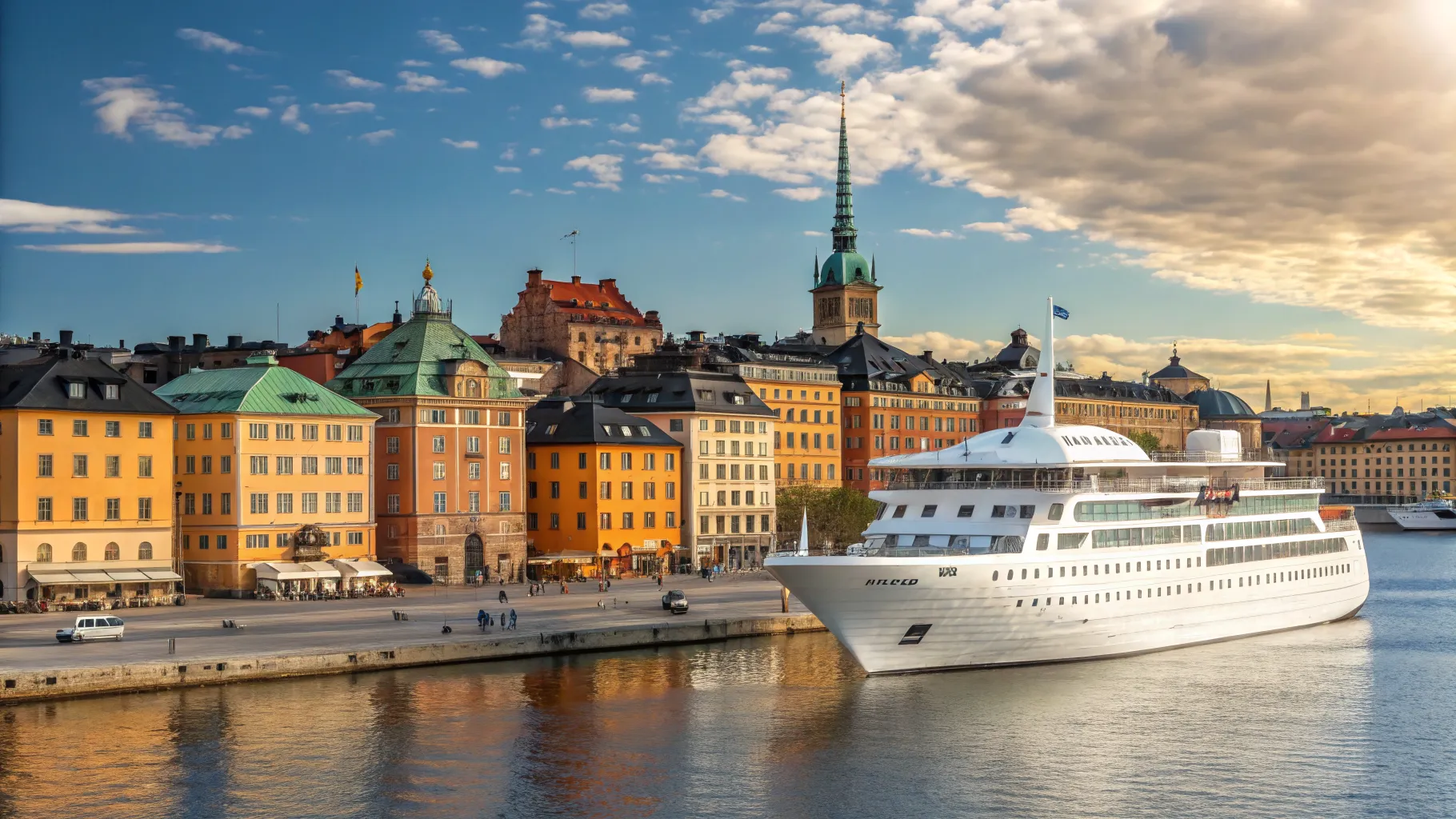
A Baltic capitals cruise is a sea voyage that navigates the Baltic Sea, with a focus on making port calls in the capital cities of the surrounding nations. These itineraries provide a unique snapshot of a region shaped by centuries of maritime history, from the powerful Hanseatic League to the empires of Sweden and Russia. The journey allows you to experience a fascinating mix of cultures, languages, and architectural styles within a relatively short period.
The primary appeal of this type of cruise is the convenience of unpacking just once while visiting multiple countries. It eliminates the complexities of coordinating flights, trains, and hotels between destinations. Each day often brings a new city to explore, with the ship serving as your comfortable base. This makes it a popular choice for those who want to see a great deal of Northern Europe without the logistical challenges of a multi-city land tour.
Common Itineraries and Must-See Ports
Most Baltic cruise itineraries last between 7 and 14 nights and are typically round-trip sailings from major hubs like Copenhagen, Stockholm, or Southampton in the UK. The selection of ports can vary, but most itineraries include a core group of iconic capital cities. It's important for travelers to note that St. Petersburg, Russia, once a cornerstone of these cruises, is not currently a port of call on most itineraries due to geopolitical events.
While every itinerary is different, some of the most frequently visited and celebrated destinations include:
- Copenhagen, Denmark: Often a departure port, it's known for the charming Nyhavn harbor, Tivoli Gardens amusement park, and the iconic Little Mermaid statue.
- Stockholm, Sweden: Built on an archipelago of 14 islands, its highlights are the impeccably preserved medieval old town (Gamla Stan) and the magnificent Vasa Museum.
- Helsinki, Finland: A showcase of striking architecture and design, with landmarks like the modern Temppeliaukio Church (Rock Church) and the Suomenlinna sea fortress.
- Tallinn, Estonia: Its medieval Old Town is a UNESCO World Heritage site, offering a labyrinth of cobblestone streets, ancient city walls, and Gothic spires.
- Riga, Latvia: Famous for having one of the world's finest collections of Art Nouveau architecture and a bustling, historic Central Market.
The Best Time of Year for a Baltic Cruise
The main season for Baltic cruises runs from late spring to early autumn, with the peak period being the summer months of June, July, and August. During this time, the weather is at its most pleasant, with mild temperatures and long hours of daylight. In the northernmost cities, you can experience the 'White Nights,' where the sun barely sets, giving you maximum time to explore ashore.
Traveling during the shoulder seasons, specifically May and September, can also be a wonderful experience. You'll encounter fewer crowds at popular attractions and may find more competitive pricing for your cruise fare. The weather is typically cooler but still comfortable for sightseeing. September, in particular, can offer the added beauty of early autumn foliage in the parks and surrounding landscapes of the various capitals.
Understanding Different Cruise Styles
The Baltic region is serviced by a wide array of cruise lines, catering to different budgets and travel preferences. Mainstream lines are a popular choice for families and budget-conscious travelers, operating large ships filled with amenities like multiple restaurants, pools, and extensive entertainment options. These cruises offer a vibrant and activity-filled atmosphere at a more accessible price point.
For those seeking a more refined experience, premium and luxury cruise lines provide an alternative. These voyages typically take place on smaller, more intimate ships with a higher crew-to-guest ratio, ensuring more personalized service. The focus is often on culinary excellence, enrichment lectures, and destination immersion. Fares on these lines are higher but frequently include more amenities, such as beverages, gratuities, and sometimes even shore excursions.
Life Onboard and Ashore
While Baltic cruises are very port-intensive, you will have some time to enjoy the ship, particularly on 'sea days' as you travel between destinations. Onboard, you can expect a wide range of activities, from relaxing at the spa and fitness center to attending educational talks about the upcoming ports. Evenings are often filled with diverse dining options, live music, and theater productions.
Once ashore, you have the choice of exploring independently or joining a shore excursion organized by the cruise line. Many Baltic ports are located close to the city center, making them easy to explore on foot. Organized tours can be a great way to see the main highlights efficiently with the help of a knowledgeable local guide. These can range from historical walking tours and palace visits to scenic canal cruises and culinary experiences.
Practical Tips for Planning and Booking
To get the best selection of itineraries and cabins, it is advisable to book your Baltic cruise well in advance, especially if you plan to travel during the peak summer season. When comparing prices, pay close attention to what is included in the fare. Some lines include drinks, Wi-Fi, and gratuities, while others charge for these separately, which can significantly impact your total vacation cost.
Consider looking for packages that may bundle your cruise with flights and a pre-cruise or post-cruise hotel stay. These can offer both convenience and good value, allowing you to spend extra time exploring your departure or arrival city. Consulting with a travel agent who specializes in cruises can also be beneficial, as they can provide expert recommendations and may have access to special offers or onboard credits.