A Comprehensive Guide to Fiji's All-Inclusive Resorts
An all-inclusive holiday in Fiji offers a chance to experience paradise without the constant worry of managing a budget for meals, drinks, and activities. This approach to travel allows guests to relax and immerse themselves in the stunning surroundings and rich culture of the islands. From family-friendly adventures to secluded romantic retreats, Fiji's all-inclusive options cater to a wide array of preferences, making it a premier destination for a stress-free getaway.
Understanding 'All-Inclusive' in the Fijian Context
The term 'all-inclusive' can mean different things depending on the resort, so it is crucial to understand what is covered before you book. Generally, a Fijian all-inclusive package will cover your accommodation, all meals (breakfast, lunch, and dinner), and a selection of non-alcoholic and alcoholic beverages. Many resorts also include non-motorized water sports, such as kayaking, snorkeling, and paddleboarding, as part of the standard rate.
However, it's the exceptions that travelers should note. Premium alcoholic beverages, fine dining at specialty restaurants, spa treatments, scuba diving certifications, and motorized activities like jet skiing are often available at an additional cost. Similarly, off-site excursions such as village tours or trips to other islands might be considered extras. Always review the resort's specific package details to avoid any surprises during your stay.
The Different Types of All-Inclusive Resorts
Fiji's resort landscape is diverse, offering something for every type of traveler. For couples and honeymooners, numerous adults-only resorts provide a tranquil and romantic atmosphere. These properties often feature private villas, plunge pools, and couple-focused activities. They prioritize serenity and luxury, creating an ideal environment for a peaceful escape.
Families are also well-catered for with resorts that boast kids' clubs, dedicated family pools, and a wide range of activities suitable for all ages. These establishments understand the needs of traveling with children and aim to provide a fun and engaging experience for younger guests while allowing parents to relax. For the ultimate in privacy and opulence, private island resorts offer an exclusive experience, often accommodating only a small number of guests at a time.
Key Islands and Regions for All-Inclusive Stays
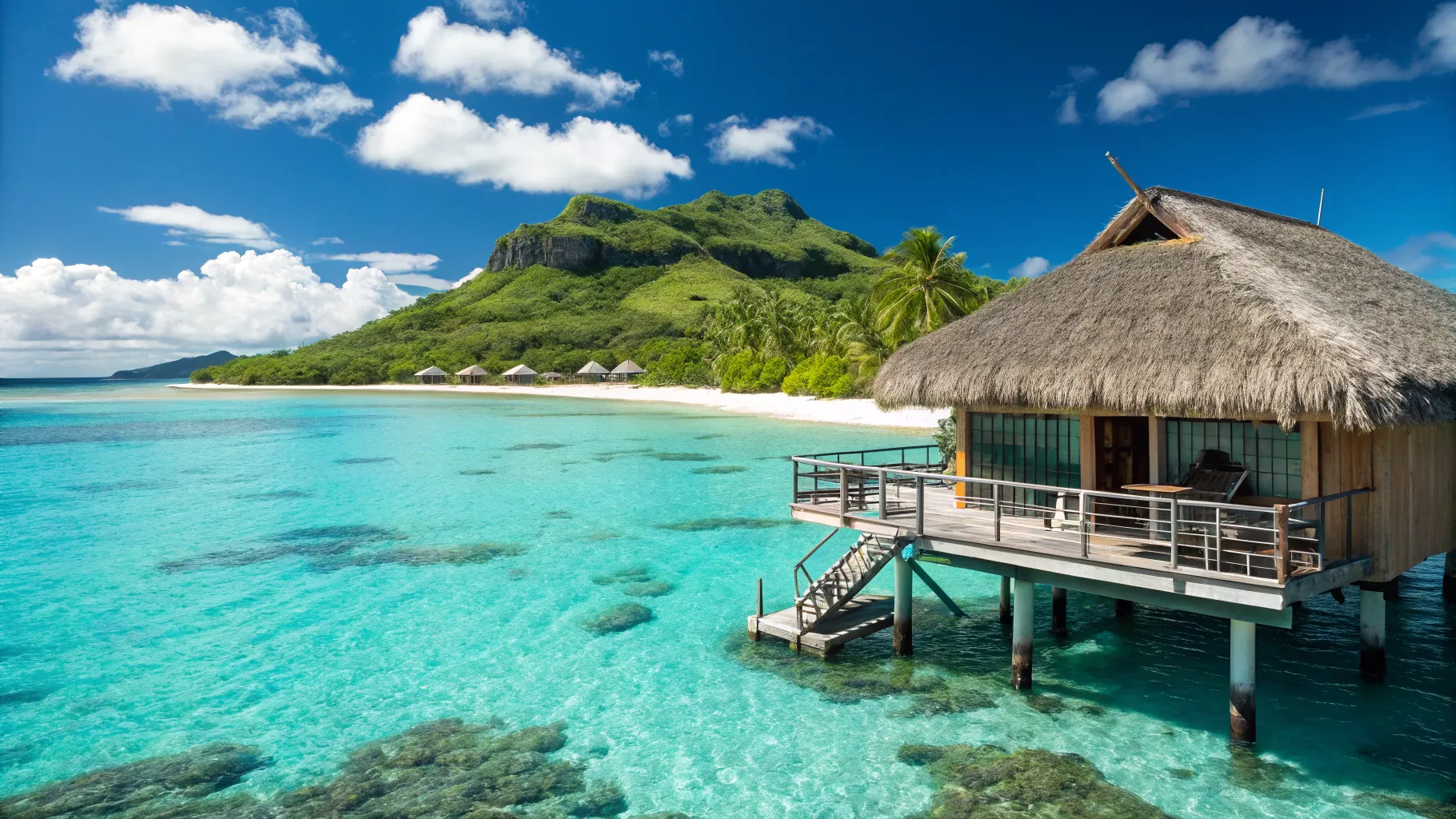
Many of Fiji's most popular all-inclusive resorts are located in the Mamanuca and Yasawa island groups. The Mamanucas, easily accessible from Nadi International Airport, are famous for their classic Fijian scenery of white sand beaches, clear turquoise waters, and vibrant coral reefs. Their proximity to the mainland makes them a convenient option for travelers.
The Yasawa Islands, located further north, are more remote and offer a more rugged, dramatic landscape. These islands are known for their pristine natural beauty and provide a sense of seclusion and adventure. Resorts on the main island of Viti Levu, particularly along the Coral Coast, also offer excellent all-inclusive options. These are often easier to get to and can serve as a great base for exploring inland attractions like waterfalls and national parks.
Activities and Experiences Typically Included
One of the main draws of an all-inclusive package is the array of activities available without reaching for your wallet. Guests can typically expect unlimited access to high-quality snorkeling gear to explore the house reef, as well as kayaks and stand-up paddleboards to venture out on the water. These simple pleasures are central to the Fijian island experience.
Beyond the water, many resorts offer a rich cultural program. This can include:
- Kava ceremonies, a traditional welcome ritual.
- Meke performances, featuring traditional Fijian song and dance.
- Lovo feasts, where food is cooked in an earth oven.
- Guided medicine walks to learn about local flora.
- Coconut husking and weaving demonstrations.
These experiences provide a wonderful opportunity to connect with Fijian culture and learn about the local way of life, adding significant value to your stay.
What to Look for When Booking Your Fijian Holiday
When planning your trip, it is wise to do thorough research to find the perfect fit. Reading recent reviews from other travelers can provide invaluable insight into the current state of a resort, its service quality, and the overall guest experience. Pay close attention to comments about food quality, cleanliness, and the friendliness of the staff.
Carefully examine the inclusions and exclusions of any all-inclusive package. Check if airport transfers are part of the deal, especially if you are heading to an outer island resort, as boat or seaplane transfers can be a significant additional expense. Also, consider the resort's location relative to your interests. If you want to scuba dive, ensure the resort has a dive shop or easy access to premier dive sites.
Planning Your Trip from the UK and Other Long-Haul Destinations
Traveling to Fiji from the UK or Europe requires some planning due to the long-haul journey. There are no direct flights, so a layover is necessary. Common transit hubs include Los Angeles, San Francisco, Singapore, Hong Kong, and Sydney. The total travel time can be over 24 hours, so it's a good idea to consider a stopover to break up the journey.
The best time to visit Fiji is during the dry season, which runs from May to October. During these months, you can expect less rainfall, lower humidity, and plenty of sunshine. This is also the peak tourist season, so booking flights and accommodation well in advance is recommended. Most visitors, including those from the UK, do not require a visa for stays of up to four months, but it is always essential to check the latest entry requirements before you travel.