Understanding Bladder Cancer Progression: Stages and What to Expect
Receiving a bladder cancer diagnosis can bring many questions, with one of the most pressing being how the condition might progress over time. Understanding the typical path of bladder cancer, from its earliest stages to more advanced forms, is a crucial step for patients and their families. This knowledge helps in understanding treatment plans, the importance of monitoring, and what to expect during the care journey.
What Are the Stages of Bladder Cancer?
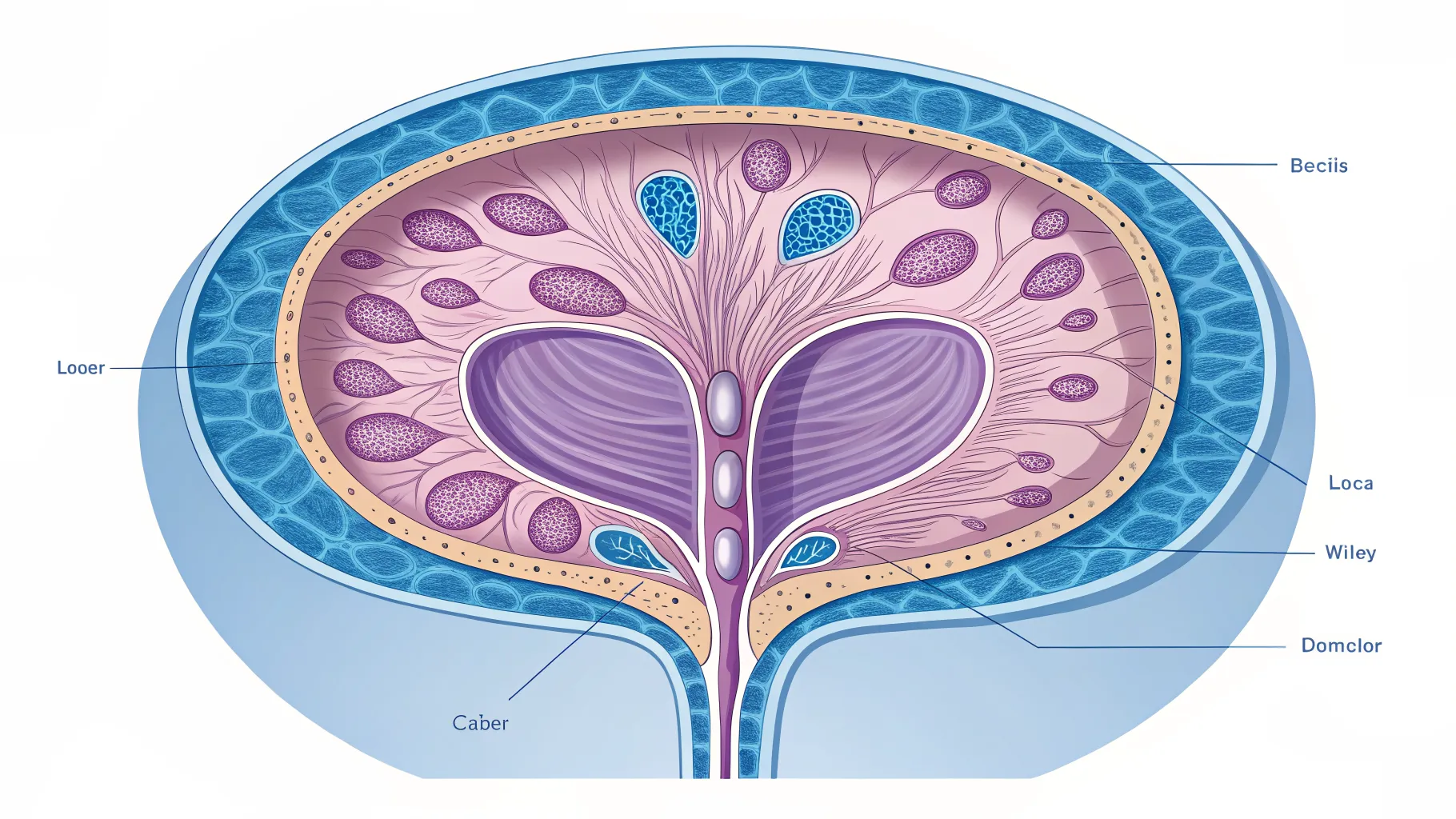
Staging is a process used by medical professionals to describe the extent of cancer in the body. For bladder cancer, the most common system is the TNM system (Tumour, Node, Metastasis), which helps determine the treatment path. The stages are generally numbered from 0 to IV, indicating how deeply the tumour has grown into the bladder wall and whether it has spread.
Bladder cancer is often broadly categorized as either non-muscle-invasive (NMIBC) or muscle-invasive (MIBC). NMIBC is confined to the inner lining of the bladder and represents the earlier stages (Stage 0 and Stage I), while MIBC has grown into the deeper muscle layer of the bladder wall (Stage II and beyond). This distinction is critical because it heavily influences the prognosis and treatment strategy.
Symptoms and Their Timeline
The symptoms of bladder cancer can evolve as the disease progresses. The most common early sign is hematuria, which is blood in the urine. This may be visible to the naked eye or only detectable under a microscope. Initially, it can be painless and intermittent, leading some to delay seeking medical advice. Other early symptoms can mimic a urinary tract infection, such as an increased urge to urinate, frequent urination, or a burning sensation during urination.
As the cancer progresses and potentially grows larger or spreads, symptoms may become more pronounced and persistent. Individuals might experience pelvic pain, lower back pain on one side, difficulty urinating, or a feeling of not being able to empty the bladder fully. In advanced stages where the cancer has spread to other parts of the body, symptoms can include unexplained weight loss, fatigue, loss of appetite, and bone pain.
How Bladder Cancer Progression is Monitored
Regular monitoring is a cornerstone of bladder cancer care, especially because non-muscle-invasive bladder cancer has a high rate of recurrence. Tracking any changes allows healthcare teams to adjust treatment plans promptly. The primary tool for monitoring is a cystoscopy, a procedure where a thin tube with a camera is inserted into the bladder to visually inspect its lining.
Alongside cystoscopy, other tests are used to track the cancer's progression. These can include:
- Urine Cytology: A lab test where a urine sample is examined under a microscope to look for cancer cells.
- Urine Tumour Marker Tests: These tests check for specific substances in the urine that can indicate the presence of bladder cancer.
- Imaging Scans: CT scans, MRIs, or bone scans may be used, particularly for muscle-invasive or advanced cancer, to see if it has spread beyond the bladder to nearby lymph nodes or distant organs.
Treatment Options Based on Progression
Treatment for bladder cancer is highly dependent on its stage. For early-stage, non-muscle-invasive tumours, the goal is often to remove the cancer while preserving the bladder. This is typically done with a procedure called a transurethral resection of bladder tumour (TURBT). Following a TURBT, intravesical therapy, where medication is put directly into the bladder, is often used to reduce the risk of recurrence. Common intravesical agents include Bacille Calmette-Guérin (BCG) or chemotherapy drugs.
When the cancer becomes muscle-invasive, treatment becomes more intensive. A common approach is a radical cystectomy, which is the surgical removal of the entire bladder. Before or after surgery, patients may receive systemic chemotherapy to kill any cancer cells that might have escaped the bladder. For those who are not candidates for surgery, a combination of chemotherapy and radiation therapy may be an option to try and preserve the bladder.
Care for Advanced Bladder Cancer
When bladder cancer reaches an advanced stage (Stage IV) and has metastasized, or spread to distant parts of the body, the focus of treatment shifts from a cure to controlling the cancer's growth and managing symptoms to maintain quality of life. Systemic treatments that travel through the bloodstream are the primary approach. This includes traditional chemotherapy, which has long been a standard of care for advanced disease.
In recent years, immunotherapy has emerged as a significant treatment option for advanced bladder cancer. These drugs, known as checkpoint inhibitors, help the body's own immune system recognize and attack cancer cells. Targeted therapy drugs, which identify and attack specific characteristics of cancer cells, are also becoming available for patients whose tumours have certain genetic mutations. Palliative care is also a vital component of advanced cancer care, providing support for symptom management and emotional well-being.
The Role of a Multidisciplinary Team
Managing bladder cancer progression effectively requires the expertise of various medical professionals. This is often handled by a multidisciplinary team (MDT), which is a standard approach in healthcare systems like the UK's National Health Service (NHS). An MDT brings together specialists to collaborate on a patient's care plan, ensuring a comprehensive and coordinated approach.
A typical bladder cancer MDT includes a urologist (a surgeon specializing in the urinary system), a medical oncologist (who treats cancer with medication), a radiation oncologist (who treats cancer with radiation), a pathologist (who examines tissue samples), and a radiologist (who interprets imaging scans). The team may also include specialist nurses, dietitians, and counselors to provide holistic support throughout the treatment journey.