Understanding Standby Home Generator Prices
Power outages can be more than a minor inconvenience; they can disrupt daily life, work, and comfort. For this reason, many homeowners consider installing a standby generator for reliable backup power. However, determining the final price of such a system involves more than just the cost of the generator unit itself. A variety of factors, from installation complexity to local regulations, contribute to the total investment.
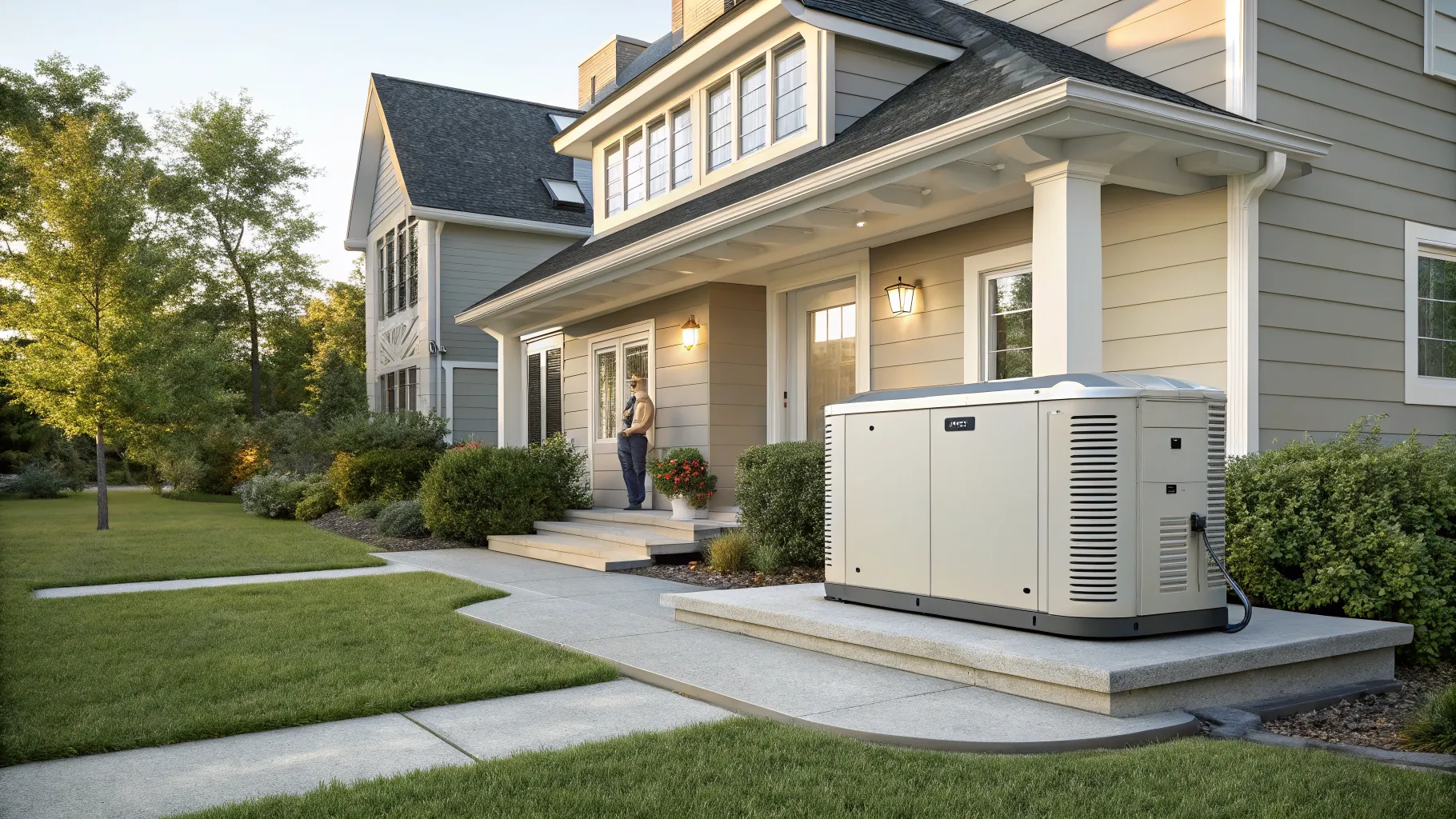
The Generator Unit: Size and Fuel Type
The single largest factor in the price of a standby generator is its power output, which is measured in kilowatts (kW). The more power a generator can produce, the higher its cost. Smaller units, perhaps in the 7 to 12 kW range, are designed to power only essential circuits, such as the refrigerator, some lights, a furnace fan, and a sump pump. Larger, whole-house units can range from 20 kW to 48 kW or more, capable of running everything in your home simultaneously, including central air conditioning systems. Choosing the right size is a critical first step that heavily influences the budget.
Another consideration for the unit is the fuel type. Most residential standby generators run on either natural gas or liquid propane (LP). The cost of the generator itself doesn't usually vary dramatically between these two options. The primary cost difference appears during the installation phase, as connecting to an existing natural gas line is often less complex than installing a large propane tank if one is not already present on the property.
The Automatic Transfer Switch (ATS)
A standby generator system is incomplete without an automatic transfer switch, or ATS. This device is the brain of the system. It continuously monitors power from the utility grid. When it detects an outage, it automatically disconnects your home from the grid and signals the generator to start, transferring the electrical load to the generator. When utility power is restored, the ATS switches the load back to the grid and shuts the generator down. This seamless operation is a key benefit of a standby system.
The cost of the ATS depends on its capacity and type. A whole-house transfer switch is integrated with your main electrical panel and manages power for the entire home. These are more complex and costly. Alternatively, a load center or essential-circuit switch powers only pre-selected circuits. While more budget-friendly, this option requires you to decide beforehand which appliances and areas of your home will receive backup power.
Professional Installation Costs
Installing a standby generator is not a do-it-yourself project. It requires the expertise of licensed and insured professionals, typically an electrician and a plumber or gas fitter. Labor costs are a significant portion of the total price and can vary widely based on your geographic location and the complexity of the installation. A straightforward installation might take a day, while a more complex project could take longer.
The installation process includes several key steps. First, the team prepares the site and places the generator. Next, the electrician installs the automatic transfer switch, connecting it to your home's main circuit breaker panel. They then run electrical conduit from the ATS to the generator. Finally, a licensed plumber or gas fitter connects the generator to its fuel source, whether it's a natural gas line or a propane tank. Each of these steps contributes to the final labor cost.
Site Preparation and Permit Requirements
Proper placement of the generator is critical for safety and performance. The unit must be installed on a stable, level surface, which often means pouring a concrete pad. Local building codes dictate where the generator can be placed, specifying minimum distances from windows, doors, air intakes, and property lines. Preparing the site to meet these codes is a necessary part of the installation cost.
Furthermore, most municipalities require permits for installing a standby generator. The cost of the permit itself is usually modest, but the process can add to the project's timeline and overall expense. The permit ensures the installation is performed to code and is often followed by one or more inspections by a local building official, which the contractor will manage.
Fuel Source and Connection Expenses
The cost to connect the generator to its fuel source can vary significantly. If your home has natural gas and the meter is located conveniently close to the generator site, the connection might be relatively simple. However, if a long trench needs to be dug or the gas meter needs to be upgraded to handle the additional load, the cost will increase.
For homes using liquid propane, the expenses can be different. If you don't already have a large LP tank for home heating, one will need to be installed. This involves costs for the tank itself (which can often be leased), a concrete pad for the tank, and trenching to run the fuel line from the tank to the generator. These elements can add a substantial amount to the project's bottom line.
Long-Term Costs and Maintenance
The initial purchase and installation are the largest expenses, but it's also wise to consider the long-term cost of ownership. Like any engine, a standby generator requires regular maintenance to ensure it will be ready to run when needed. This includes periodic oil and filter changes, battery checks, and general inspections. Many owners opt for an annual service contract with a qualified dealer for peace of mind.
Another ongoing cost is fuel. During an extended power outage, the generator will consume fuel continuously. The cost of natural gas or propane used during operation should be factored into your long-term budget. The generator will also perform a weekly self-test, typically a short run cycle, which consumes a small amount of fuel over the course of a year but ensures the unit is always in working order.