A Guide to Retaining Wall Construction Costs
Building a retaining wall is a significant investment that can enhance your property's usability and aesthetics while preventing soil erosion. However, the costs can vary widely depending on a multitude of factors. Understanding these variables is the first step toward planning your project and setting a realistic budget. This guide will walk you through the primary elements that contribute to the overall cost of retaining wall construction.
Key Factors Influencing Retaining Wall Costs
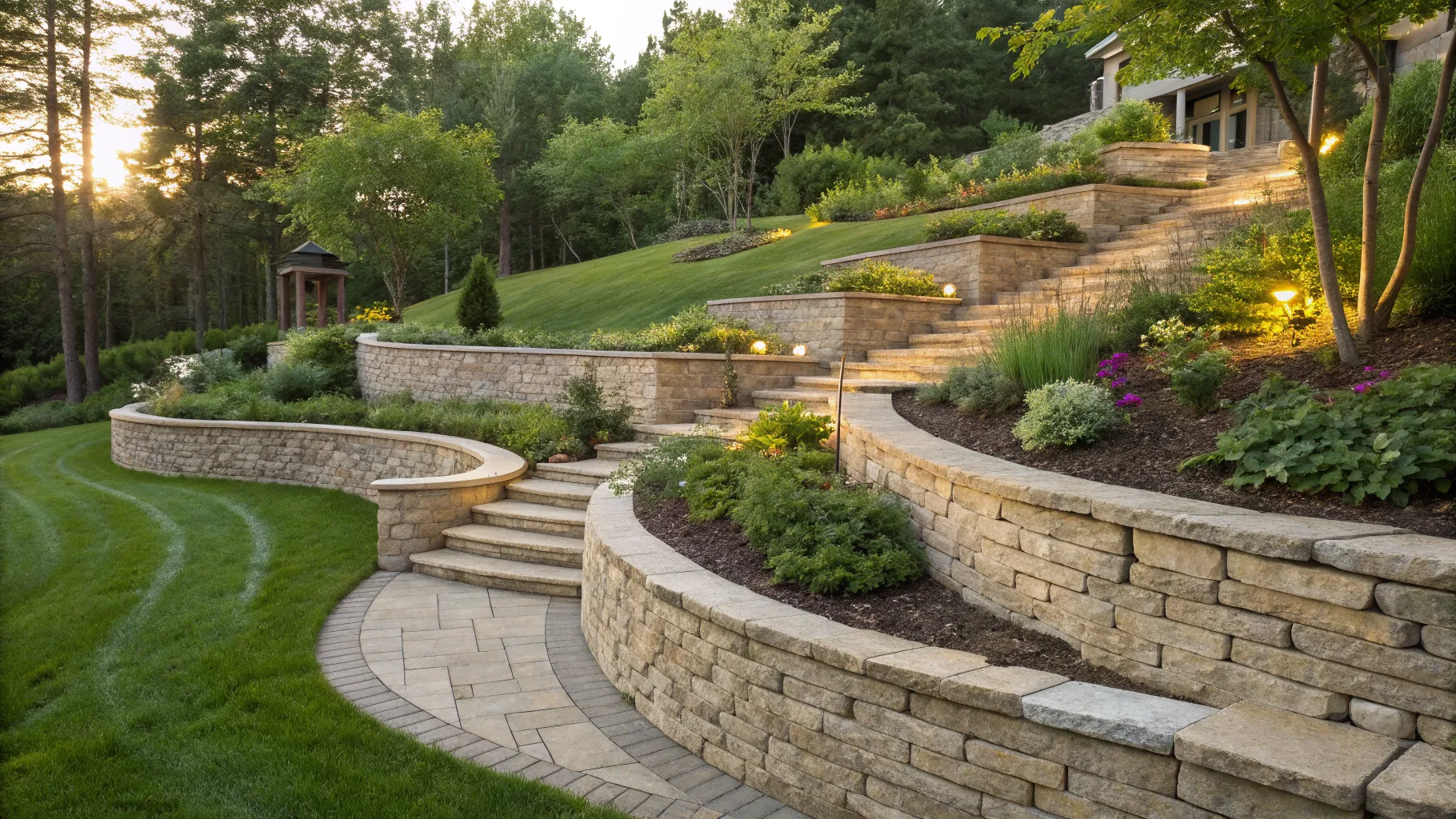
The total price of a retaining wall project is a combination of several key components. The most significant factors are the wall's dimensions (height and length), the type of material used, and the cost of labor. Taller and longer walls require more materials and labor, naturally increasing the price. The complexity of the design, such as curves or tiers, will also add to the expense compared to a simple, straight wall.
Beyond the basics, site conditions play a crucial role. A sloped, rocky, or difficult-to-access area will require more extensive site preparation, excavation, and specialized equipment, all of which drive up labor costs. Finally, the need for proper drainage systems, building permits, and potentially an engineer's design for taller walls are additional costs that must be factored into the budget from the outset.
Common Materials and Their Price Points
The material you choose is one of the biggest determinants of your project's cost. Each option offers a different balance of durability, aesthetics, and price. It is helpful to understand the general cost hierarchy to make an informed decision for your landscape and budget.
- Timber: Often one of the most affordable options, especially for shorter walls. Treated pine or railroad ties are common choices, but they have a shorter lifespan than stone or concrete.
- Concrete Blocks: Interlocking concrete blocks are a popular and cost-effective choice. They are durable, easy to install, and come in various colors and textures.
- Poured Concrete: A very strong and durable option, poured concrete can be customized with stamps or veneers but often requires professional installation and formwork, increasing labor costs.
- Natural Stone: Materials like fieldstone, granite, or limestone offer a high-end, natural look but are typically the most expensive option due to material cost and the skilled labor required for installation.
Understanding Labor and Installation Expenses
Labor can account for a significant portion of the total cost, often 50 percent or more. This is because building a retaining wall correctly is a labor-intensive process that requires skill and precision. The installation process includes several stages, each contributing to the final labor bill. These stages include excavating the area, creating a stable, level base with compacted gravel, setting the courses of material, and backfilling with appropriate drainage material.
The complexity of the job also affects labor costs. A simple, straight wall made from interlocking blocks may require less skilled labor than a tall, curved wall constructed from natural stone. Professional installers have the experience and equipment to ensure the wall is built to last and includes critical components like proper drainage to prevent failure. When getting quotes, make sure they provide a detailed breakdown of labor versus material costs.
The Role of Wall Size and Design
It's a straightforward principle: the bigger the wall, the higher the cost. Both the height and length of the retaining wall directly impact the amount of material needed and the time it takes for installation. A wall that is twice as long will roughly double the material and labor costs, assuming all other factors remain constant. Height is an even more critical factor, as taller walls require more robust engineering, deeper foundations, and more reinforcement to withstand the pressure of the soil behind them.
Complex designs also add to the final price tag. While a straight wall is the most economical, adding features like curves, corners, steps, or multiple tiers increases the complexity of the build. These features require more precise cutting of materials and more intricate labor, which translates to higher installation costs. While aesthetically pleasing, it's important to balance design aspirations with your budget.
Site Preparation and Accessibility
Before any construction can begin, the site must be properly prepared. This preparatory phase can have a notable impact on the project's total cost. Site preparation involves clearing any vegetation, excavating soil to create a trench for the wall's base, and grading the area. If the site is on a steep slope or has poor soil conditions, more extensive earthwork may be necessary to create a stable foundation.
Accessibility is another practical consideration. If the construction area is difficult to reach with heavy equipment, materials may need to be moved by hand, significantly increasing labor hours and costs. Properties with narrow side yards or steep driveways can present challenges for machinery, leading contractors to factor additional time and effort into their quotes. It is wise to discuss any potential access issues with your contractor upfront.
Additional Costs to Consider
Beyond the primary expenses of materials and labor, several other costs can arise during a retaining wall project. It is important to account for these potential additions to avoid budget overruns. Failing to plan for them can lead to unexpected financial strain or compromises on the quality of the final product.
- Permits: Many municipalities require a building permit for retaining walls over a certain height, typically three to four feet. The cost of a permit varies by location.
- Drainage Systems: Proper drainage is not optional; it is essential for the longevity of the wall. This includes a perforated pipe behind the wall, gravel backfill, and weep holes to relieve hydrostatic pressure.
- Engineering Fees: Taller or more complex walls often require a structural engineer to design the plans to ensure they are safe and meet local building codes.
- Landscaping: After the wall is complete, you may need to budget for landscaping to finish the area, such as adding topsoil, sod, or plants.