A Comprehensive Guide to Wood Fence Installation Costs
Installing a new wood fence can enhance privacy, improve security, and add aesthetic value to your property. However, the final cost can vary widely depending on a multitude of factors. Before starting your project, it's helpful to understand the different components that contribute to the overall expense, ensuring you can budget appropriately and make informed decisions.
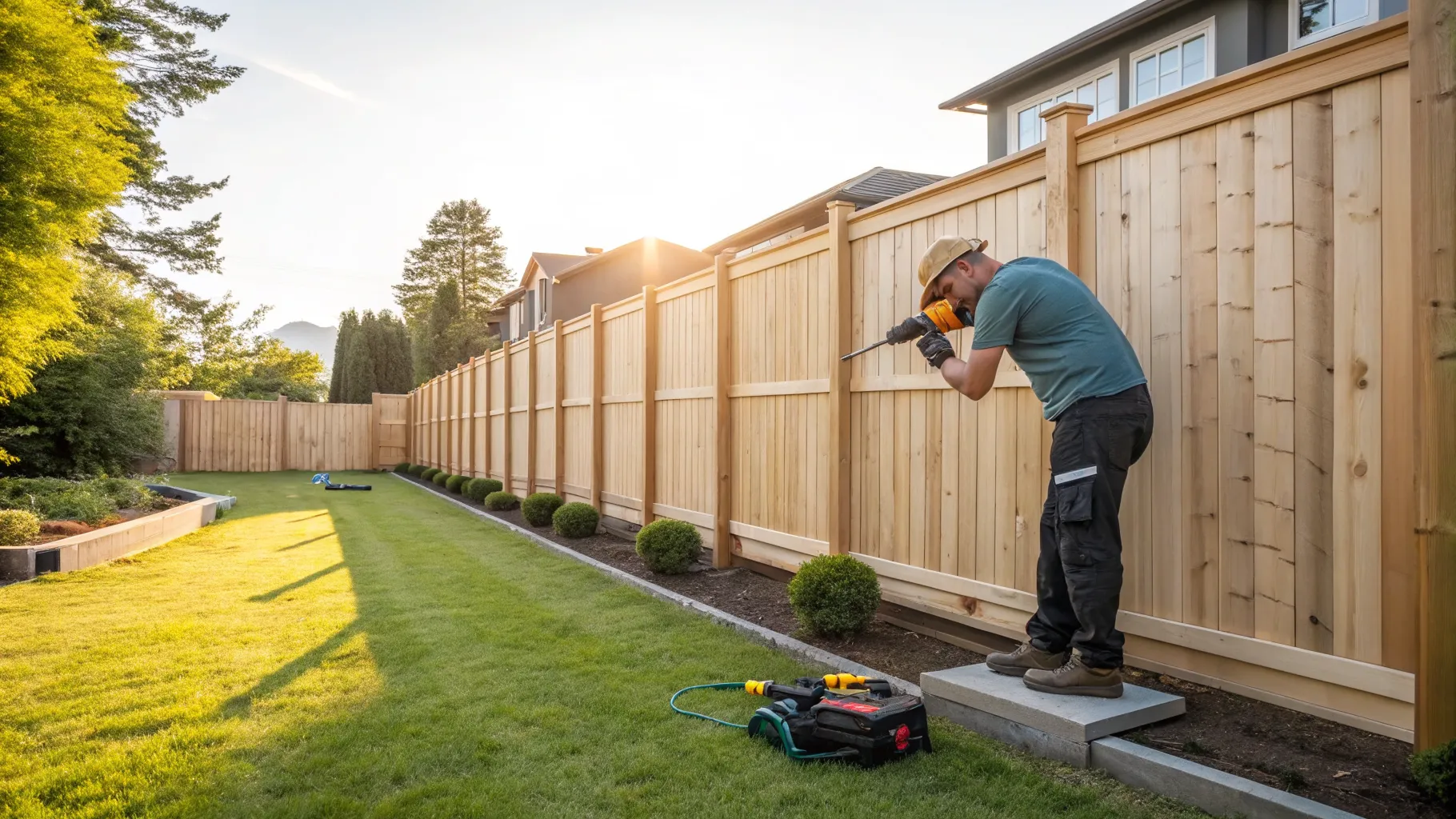
Key Factors Influencing Overall Cost
The total price for a wood fence installation is primarily determined by two major components: materials and labor. These two elements typically account for the largest portion of your budget. The specific type and grade of wood you select will have a direct impact on material costs, while labor rates can fluctuate based on your geographic location and the complexity of the job.
Beyond materials and labor, several other variables play a crucial role. The total length of the fence, measured in linear feet, is a fundamental cost driver; the longer the fence, the more materials and time are required. The height of the fence also affects the price, as taller fences require more lumber and potentially more robust posts for stability. Finally, the terrain of your property can influence labor costs, with sloped or rocky ground demanding more effort to install posts correctly.
A Closer Look at Wood Types and Prices
The type of wood you choose is one of the most significant decisions affecting both the cost and the longevity of your fence. Different woods offer varying levels of durability, resistance to rot and insects, and aesthetic appeal. Your choice represents a balance between upfront cost and long-term maintenance and replacement expenses.
- Pressure-Treated Pine: This is often the most affordable option. The wood is chemically treated to resist rot, decay, and insects. While budget-friendly, it can be prone to warping, shrinking, or cracking over time if not properly maintained.
- Cedar: A popular mid-range choice, cedar contains natural oils that make it resistant to moisture and insects. It's known for its rich color and pleasant aroma, and it tends to warp less than treated pine.
- Redwood: Considered a premium material, redwood is highly durable and naturally resistant to decay and pests, similar to cedar but often more robust. Its deep, reddish-brown color is highly sought after, but it comes with a higher price tag.
- Cypress: Common in wetter, humid climates, cypress is another excellent choice for its natural resistance to insects and decay. Its cost is typically in the mid-to-high range, depending on availability in your region.
Understanding Labor Costs
Labor costs are a substantial part of any fence installation quote and can vary significantly from one region to another. Most contractors price their labor per linear foot, which simplifies the estimation process. This per-foot rate typically includes setting the posts in concrete, attaching the rails and pickets, and general site cleanup. An experienced, insured, and licensed contractor may charge more, but this often translates to higher-quality work and better protection for you as the homeowner.
Several on-site conditions can increase labor expenses. If the installation site is on a steep slope or has very rocky soil, digging post holes will be more difficult and time-consuming, raising the cost. Similarly, poor accessibility to the fence line for equipment and materials can add to the labor hours. If you have an old fence that needs to be torn down and hauled away, this service will be an additional charge.
Fence Style and Design Impact on Price
The style of your wood fence directly influences the amount of material needed and the complexity of the installation. Simpler designs are generally faster to build and therefore less expensive in terms of labor. More intricate or custom designs will require more precise cuts and assembly, increasing both material and labor costs.
A basic picket fence, for example, uses less wood and is relatively straightforward to install. A standard solid-panel privacy fence is a very common choice and has a moderate cost. More decorative styles like a shadowbox, which has pickets alternating on either side of the rails, or a board-on-board fence, which features overlapping pickets for total privacy, require more materials and detailed work, placing them at a higher price point. Any custom features, lattice tops, or unique patterns will further add to the final cost.
Additional Costs to Consider
When budgeting for your fence, it's important to account for potential costs that may not be included in the initial installation quote. These additional expenses are often necessary for a complete and compliant project. Overlooking them can lead to unexpected charges later in the process.
- Building Permits: Many cities or counties require a permit for fence construction, especially for fences over a certain height. The cost of the permit is typically the homeowner's responsibility.
- Property Survey: To avoid disputes with neighbors, it's critical to know exactly where your property lines are. If you are unsure, you may need to hire a professional surveyor.
- Gates: Gates are priced separately from the fence panels. The cost will depend on the width, style, and the quality of the hardware, such as hinges and latches.
- Wood Treatment: To protect your investment from the elements, the fence should be stained or sealed. This can be done by the contractor for an additional fee or as a separate project by the homeowner.
- Post Caps and Finishes: Decorative post caps or other ornamental hardware can add a finishing touch to your fence but will also increase the material cost.
Comparing Quotes and Finding a Contractor
To ensure you get a fair price and quality workmanship, it is wise to obtain at least three detailed quotes from different contractors. Each quote should be provided in writing and should itemize the costs for materials, labor, and any other services like old fence removal or gate installation. This allows you to make an apples-to-apples comparison and understand exactly what you are paying for.
When selecting a contractor, price should not be the only factor. Verify that they are licensed and fully insured to protect you from liability in case of accidents. Ask for references from recent customers and, if possible, look at examples of their past work. A reputable contractor will be transparent about their process and provide a clear contract. Be cautious of quotes that are dramatically lower than the competition, as they may signal the use of lower-grade materials or less experienced labor.