A Guide to Standby Home Generator Prices
Investing in a standby home generator can provide peace of mind during power outages, but understanding the total cost is crucial for making an informed decision. The final price is a combination of the generator unit, the automatic transfer switch, and complex installation work that varies significantly from one home to another. Navigating these costs requires looking beyond the sticker price to see the full picture.
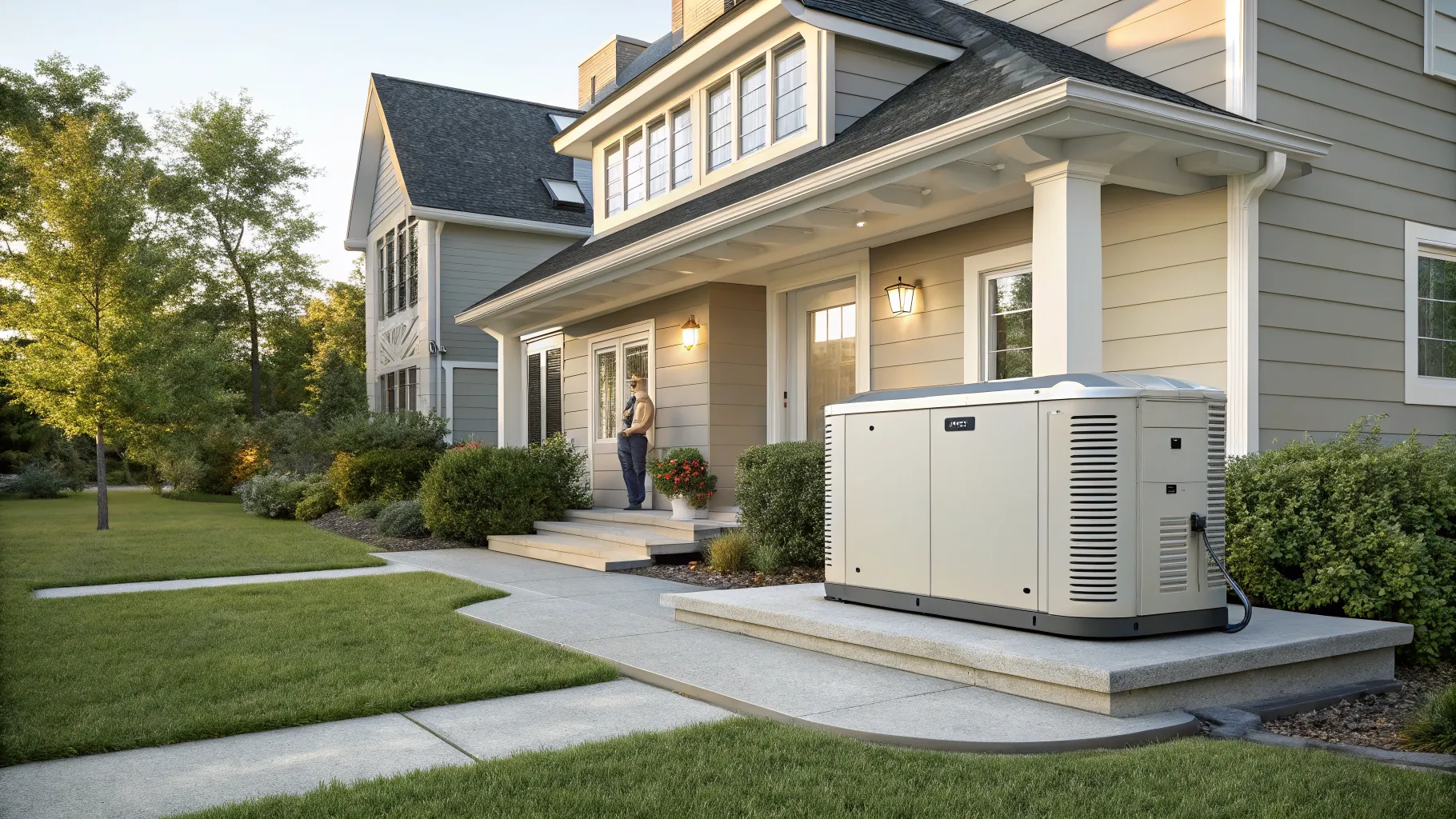
What Determines the Generator Unit's Price?
The primary factor influencing the cost of the generator itself is its power output, measured in kilowatts (kW). A smaller, air-cooled generator in the 7-12 kW range might be sufficient to power essential circuits like the refrigerator, a few lights, and a furnace fan. A larger, liquid-cooled unit of 20 kW or more can power an entire home, including central air conditioning, and will come with a correspondingly higher price tag.
Beyond sheer power, brand reputation plays a significant role in cost. Established brands often command higher prices due to perceived reliability and more extensive warranty coverage. Additional features also affect the price, such as the enclosure material. Aluminum enclosures are more resistant to corrosion and typically cost more than steel ones. Noise level is another consideration, as quieter models often incorporate more advanced sound-dampening technology at a premium.
The Critical Role of Installation Costs
Installation is a major component of the total cost and can sometimes be as much as, or even more than, the generator unit. This is not a simple do-it-yourself project; it requires licensed professionals to ensure safety and compliance with local building codes. The installation process is multifaceted and includes several distinct tasks that contribute to the overall price.
A typical installation involves preparing a stable site, often by pouring a concrete pad for the generator to sit on. An electrician must then run wiring from the generator to your home's main electrical panel and install the automatic transfer switch. Additionally, a licensed plumber or gas fitter is needed to connect the generator to its fuel source, whether it's a natural gas line or a liquid propane tank. Finally, the cost of obtaining the necessary municipal permits must be factored into the budget.
How Fuel Type Impacts Overall Cost
The choice of fuel is another important cost consideration, both for installation and long-term operation. The two most common fuel types for residential standby generators are natural gas and liquid propane (LP). Each has its own set of cost implications.
- Natural Gas: If your home already has a natural gas line, this is often the most convenient and cost-effective option. The fuel supply is continuous, so you don't have to worry about refueling. Installation involves tapping into the existing gas line.
- Liquid Propane: For homes without natural gas access, LP is the typical alternative. This requires the installation of a large storage tank on your property, which adds a significant upfront cost. The price of propane fuel can also fluctuate.
- Diesel: While less common for residential applications, diesel generators are an option. They are often more expensive to purchase, and like propane, require a large on-site storage tank for fuel.
Understanding the Automatic Transfer Switch (ATS)
The automatic transfer switch is the brain of the standby generator system. This device constantly monitors the power coming from the utility grid. When it detects an outage, it automatically disconnects your home from the grid and signals the generator to start, seamlessly transferring the electrical load to the generator. When utility power is restored, the ATS switches the load back and shuts down the generator.
The cost of the ATS varies based on the amperage of your home's electrical service, typically 100, 150, or 200 amps. You can choose a whole-house transfer switch, which powers everything in your home, or a load-center switch that only manages pre-selected essential circuits. A whole-house switch is more expensive but provides more comprehensive backup power.
Long-Term Operating and Maintenance Expenses
The costs associated with a standby generator do not end after installation. Ongoing expenses should be part of your financial planning. Fuel consumption is the most obvious operating cost, which will depend on the duration of power outages. Most generators also have a self-test or exercise mode where they run for about 15-20 minutes each week to keep the engine lubricated and ready, consuming a small amount of fuel.
Regular maintenance is essential to ensure the generator will work when you need it. Similar to a car engine, a generator requires periodic oil and filter changes, battery checks, and general inspections. You can perform some of this basic maintenance yourself, but many homeowners opt for an annual service plan with a certified technician for professional upkeep, which adds to the long-term cost of ownership.
How to Get an Accurate Price Quote
Because every home's electrical and fuel setup is unique, online price calculators can only provide a rough estimate. The only way to determine the true cost for your specific situation is to get on-site assessments from qualified and licensed installers. They can evaluate your power needs, the layout of your property, and any potential installation challenges.
It is highly recommended to obtain at least two to three detailed quotes from different reputable companies. When comparing these quotes, look carefully at the equipment being proposed, the scope of work included, and the installer's credentials and warranties. This diligence will help you find a fair price and ensure a safe, reliable installation that meets your needs.