A Guide to Hardwood Flooring: Options and Installation Costs
Choosing hardwood flooring is a significant investment that can add timeless beauty and value to any home. However, navigating the various options and understanding the associated costs can be challenging. From the type of wood and its finish to the complexities of installation, numerous factors contribute to the final price. This guide will break down the essential elements of hardwood flooring to help you make an informed decision for your space.
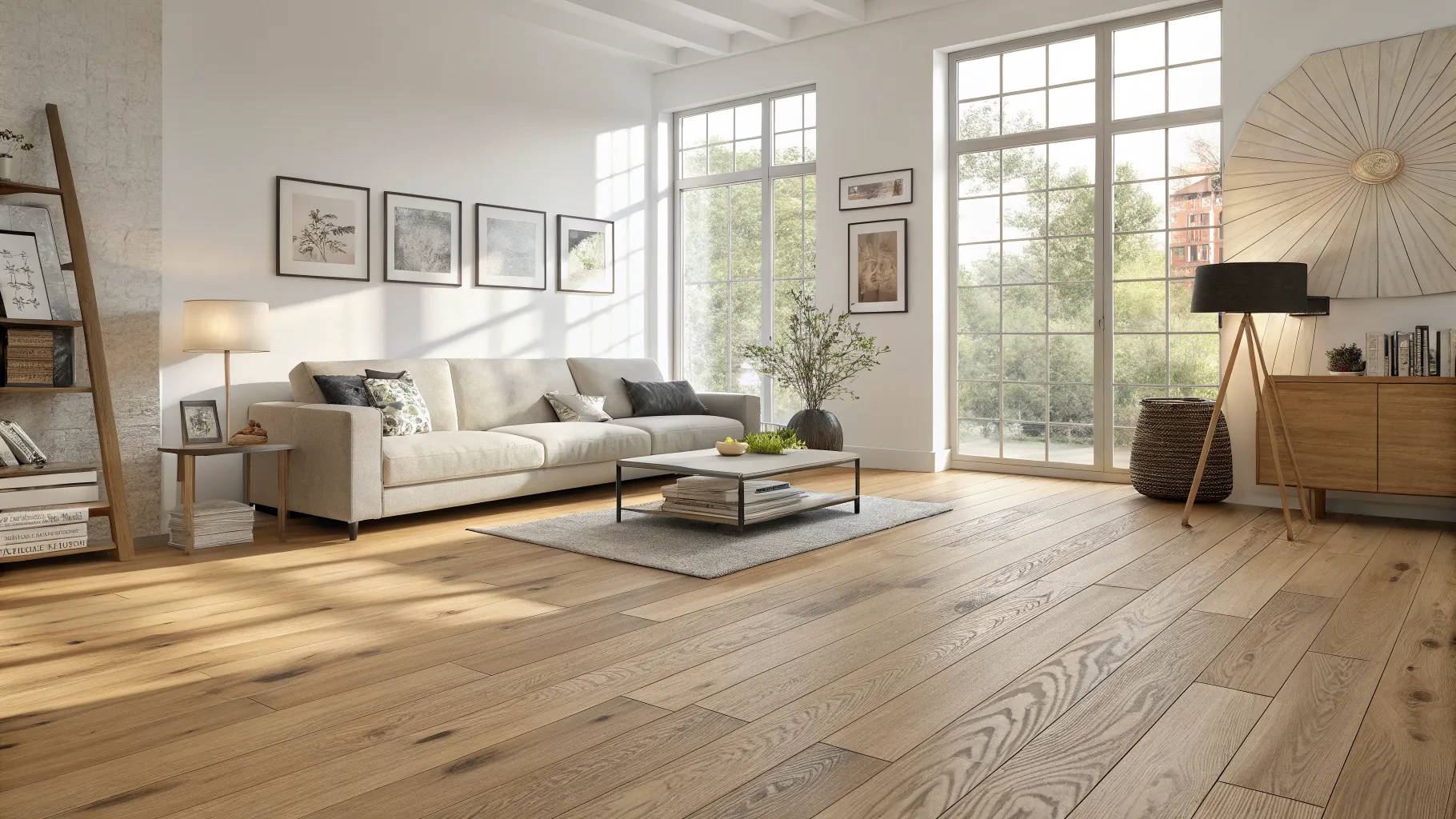
Understanding Solid vs. Engineered Hardwood
One of the first decisions you'll face is choosing between solid and engineered hardwood. Solid hardwood flooring consists of planks milled from a single piece of timber. It's known for its durability and the ability to be sanded and refinished multiple times over its lifespan, which can last for generations. However, solid wood is susceptible to changes in humidity and temperature, causing it to expand and contract, which means it's not recommended for below-grade installations like basements.
Engineered hardwood, on the other hand, is constructed from multiple layers of wood or plywood with a top layer of real hardwood veneer. This layered construction provides greater stability, making it more resistant to moisture and temperature fluctuations. As a result, engineered flooring can be installed in more areas of the home, including basements. While it can often be refinished at least once, its lifespan for refinishing is limited by the thickness of the top veneer.
Popular Wood Species and Their Characteristics
The type of wood species you choose significantly impacts the floor's appearance, durability, and cost. Each species has a unique grain pattern, color, and hardness, which is often measured on the Janka hardness scale. Softer woods are more prone to dents and scratches, while harder woods offer greater resilience in high-traffic areas.
Some of the most common options include:
- Oak: Available in red and white varieties, oak is the most popular choice for its classic look, strong graining, and excellent durability.
- Maple: Known for its light, creamy color and subtle grain pattern, maple is a very hard and durable wood, making it suitable for modern and minimalist interiors.
- Hickory: One of the hardest domestic woods, hickory is prized for its dramatic color variations and rustic character.
- Cherry: Valued for its warm, reddish tones that deepen over time, cherry is a softer wood best suited for lower-traffic areas.
- Walnut: A softer domestic wood, walnut offers rich, dark chocolate colors and a distinctive grain that lends a sophisticated, high-end look.
Key Factors That Influence Material Costs
The price of the flooring planks themselves can vary widely based on several factors beyond the wood species. The grade of the wood is a primary driver; clear-grade wood with minimal knots and uniform color is typically the most expensive, while lower grades with more natural character marks are more budget-friendly. The width of the planks also plays a role, with wider planks often carrying a higher price tag due to the specific cuts of lumber required.
Additionally, the type of finish applied at the factory can affect the cost. Prefinished hardwood comes ready to install with a durable, factory-applied coating, which can save on labor and finishing time. Unfinished hardwood is installed raw and then sanded and finished on-site, allowing for greater customization of stain color and sheen but adding to the overall installation time and labor expense.
Breaking Down Hardwood Installation Costs
The cost of installation is a major component of the total project budget and should not be overlooked. Labor rates can vary significantly based on your geographic location, the complexity of the job, and the experience of the installers. A simple, square room will cost less to install than a space with multiple angles, closets, or stairs, which require more intricate cuts and precision work.
Before installation can begin, the subfloor must be clean, level, and dry. Subfloor preparation might involve leveling compounds, replacing damaged plywood, or installing a moisture barrier, all of which add to the cost. Furthermore, the removal and disposal of existing flooring, whether it's carpet, tile, or old hardwood, will typically be an additional charge.
Additional Costs to Consider
Beyond the wood and the basic installation labor, there are several other potential costs to factor into your budget. These items are often necessary for a complete and professional-looking installation. Forgetting to account for them can lead to unexpected expenses later in the project.
Be sure to ask potential installers if their quotes include the following:
- Underlayment: A layer of material placed between the subfloor and the hardwood to provide cushioning, sound absorption, and moisture protection.
- Trim and Moldings: This includes baseboards, quarter-round molding, and transition strips needed to cover expansion gaps and create a seamless look between different flooring types.
- Furniture Moving: Some companies include this in their service, while others charge an extra fee to move furniture out of the room and back in after the job is complete.
- Delivery Fees: The cost of transporting the flooring materials to your home.
How to Budget for Your Hardwood Flooring Project
To create an accurate budget, it's essential to get detailed quotes from several qualified, local installers. When comparing quotes, ensure they are itemized and clearly state what is included, such as material costs, labor, subfloor prep, old floor removal, and finishing materials. This allows you to make an apples-to-apples comparison and avoid hidden fees. Don't simply choose the lowest bid; consider the installer's reputation, experience, and warranties.
Once you have a clear idea of the costs, it's wise to add a contingency fund of 10-15% to your total budget. This buffer can cover unforeseen issues, such as discovering subfloor damage after the old flooring is removed or deciding on a last-minute upgrade. Proper planning and a realistic budget will help ensure your hardwood flooring project goes smoothly and results in a beautiful, long-lasting floor.