Red Light Therapy Beds: Clinical Technology, Technical Metrics, and Market Analysis
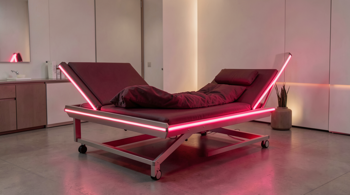
The market for full-body wellness technology has experienced a notable shift as practitioners and individuals seek advanced systems to support cellular recovery, tissue rejuvenation, and pain management. Red light therapy beds, which utilize precise arrays of light-emitting diodes (LEDs) to deliver concentrated wavelengths across the human body, are increasingly being integrated into professional wellness centers, clinical spas, athletic training facilities, and private residences 1. Unlike localized target panels, these full-body systems offer complete coverage in single, efficient sessions, making them a central asset in modern recovery protocols 7. Understanding the engineering, metrics, and scientific principles behind these systems is essential for evaluating their clinical utility and long-term operational performance.
As interest in physical optimization and non-invasive therapeutic modalities grows, the demand for high-output clinical systems has prompted manufacturers to design highly sophisticated hardware. From multi-wavelength configurations to integrated physical comfort mechanisms, modern systems are engineered to maximize photon delivery while maintaining rigorous electrical and thermal safety standards 21. This guide examines the technical benchmarks, biological mechanisms, operational realities, and financial considerations of today's leading full-body photobiomodulation systems.
The Scientific Mechanism of Photobiomodulation
At the core of red light therapy beds is the science of photobiomodulation (PBM). When specific wavelengths of red and near-infrared (NIR) light penetrate the skin and underlying tissues, they are absorbed by chromophores within the cells, specifically cytochrome c oxidase located inside the mitochondria 7. Mitochondria function as the primary cellular power plants, converting nutrients into adenosine triphosphate (ATP) 1, 7. By stimulating this mitochondrial respiratory chain, PBM enhances ATP production, providing cells with the necessary energy to execute natural repair, regeneration, and inflammatory-regulation processes more efficiently 1, 7.
The therapeutic effects of this cellular stimulation are highly dependent on the depth of light penetration, which is governed by the specific wavelengths employed. While visible red wavelengths primarily target surface-level dermal layers to support collagen synthesis and skin vitality, longer near-infrared wavelengths penetrate deep into musculoskeletal structures 6, 8. This deeper penetration addresses joint discomfort, deep tissue inflammation, and muscle fatigue, offering a comprehensive therapeutic effect from a single, unified exposure 8.
Key Technical Specifications and Performance Metrics
When analyzing the performance of a red light therapy bed, technical specifications determine the actual therapeutic dose delivered to the tissue. The most critical metric is irradiance, measured in milliwatts per square centimeter (mW/cm²), which dictates the power density of the light reaching the body surface 1, 21. Professional-grade beds typically feature high-density LED arrays designed to deliver consistent, high-intensity output, ensuring that sessions can be kept brief while achieving the desired biological response 1, 2. A comparative analysis of leading market configurations illustrates the variations in power, LED density, and dimensional footprints:
| System Model | LED Count | Wavelength Profile (nm) | Irradiance / Output | Target Environment |
|---|---|---|---|---|
| RegenRed™ Elite Wellness Bed | 42,000 LEDs 1 | 633, 660, 810, 850, 940 1 | 100–160 mW/cm² 1 | High-End Clinics & Spas 1 |
| Lumé Red Light Therapy Bed | 21,000 LEDs 2 | 633, 660, 810, 850, 940 2 | 100 mW/cm² 2 | Commercial Fitness & Recovery 2 |
| Nuvibody Pro Bed® | 43,200 LEDs 5 | Multi-wavelength spectrum 5 | High-intensity output 5 | Premium Wellness Centers 5 |
| Vital Bed | 1,008 LEDs 4 | 480, 590, 630, 660, 670, 810, 830, 850, 1060 4 | 150–210 mW/cm² 4 | Gyms, Spas & Chiropractors 4 |
| MaxiLUX Bed | 13,440 or 26,880 LEDs 11 | 5-wavelength coverage 11 | 129 mW/cm² 11 | Boutique Studios & Home Use 11 |
Beyond raw power, wavelength customization plays a significant role in professional systems. Many advanced beds now incorporate a multi-spectrum approach, combining distinct wavelengths such as 633nm and 660nm for dermal rejuvenation with 810nm, 850nm, and 940nm for deep muscle, joint, and lymphatic system support 1, 6. This multi-wavelength strategy ensures that different biological target zones are addressed simultaneously during a single session 6.
Clinical Applications and Health Benefits
Full-body photobiomodulation is utilized across several clinical and recovery frameworks. In athletic and rehabilitative settings, RLT beds are employed to accelerate muscle recovery, reduce delayed onset muscle soreness (DOMS), and minimize systemic inflammation following intense physical exertion 3, 8. The increase in cellular ATP enables skeletal muscle tissue to repair micro-tears more rapidly, helping athletes maintain training consistency and reduce downtime 3, 8.
For dermatological and aesthetic practices, the therapy supports systemic skin improvement 3. Regular exposure to red light wavelengths promotes collagen synthesis, enhances microcirculation, and helps smooth fine lines, wrinkles, and uneven skin texture 3, 8. Additionally, the anti-inflammatory properties of photobiomodulation assist in managing chronic skin conditions, including acne, eczema, and rosacea, by mitigating systemic cutaneous inflammation and encouraging natural cellular healing pathways 3.
Safety, Regulatory Compliance, and Operational Best Practices
While red light therapy is non-invasive and utilizes non-ionizing radiation, ensuring safety and compliance is critical for both commercial operators and private owners. The Food and Drug Administration (FDA) categorizes many of these systems as Class II medical devices, primarily intended for the temporary relief of minor muscle and joint pain, arthritis, and muscle spasms 13. Commercial buyers must ensure their selected equipment meets rigorous safety certifications, such as ETL, CE, or FCC compliance, to guarantee electrical and operational safety under continuous use 9, 20.
- Eye Protection: High-powered LED arrays deliver intense optical output. Users should wear protective eye goggles during sessions to shield the retina from strain and potential damage 22.
- Thermal Regulation: Although the therapy does not generate heat in the manner of UV or infrared saunas, high-density LED arrays produce ambient thermal energy. Quality beds utilize integrated high-speed cooling fans to maintain a comfortable temperature 4, 9.
- EMF Shielding: Premium manufacturers design systems with low or zero electromagnetic field (EMF) emissions at the treatment distance to ensure user safety 4, 9, 18.
- Session Protocols: Standard treatments generally range from 10 to 20 minutes, administered 3 to 5 times per week 2, 15. Consistency over several weeks is required to achieve cumulative biological benefits 23.
Facility Integration and Environmental Requirements
Integrating a full-body red light therapy bed into a wellness center or residential space requires careful logistical planning. Due to their robust build materials, such as aviation-grade aluminum alloys, commercial beds can weigh between 130 and 440 pounds, necessitating a stable flooring structure 1, 2, 4. Furthermore, these devices have a significant spatial footprint, typically measuring over 74 inches in length and requiring adequate clearance for their hydraulic canopy mechanisms 1, 2, 6.
Electrical infrastructure is another vital pre-installation consideration. High-power systems often require dedicated 20-amp circuits or specific voltage configurations to operate safely without overloaded electrical panels 10. Professional "White Glove" installation services, which include uncrating, room placement, and professional calibration, are frequently recommended by distributors to ensure the system is configured to exact manufacturer standards and remains covered under structural warranties 10.
Market Trends and Commercial Investment Realities
The market for full-body photobiomodulation technology is expanding, driven by growing consumer awareness of proactive recovery and longevity therapies 24. For business operators, incorporating a red light therapy bed represents a high-throughput, low-labor service 2. Many modern systems feature fully automated, unattended operations with pre-programmed touchscreen presets, allowing a single staff member to manage multiple rooms simultaneously without dedicated hands-on administration 2, 4.
While the initial capital expenditure for professional-grade systems can be substantial, commercial operators often observe a rapid return on investment by charging premium session rates in high-demand urban areas 2. From a financial planning perspective, certain corporate purchasers may also qualify for tax incentives, such as the Section 179 deduction or federal ADA tax credits, depending on the system's compliance parameters and intended clinical utilization 13, 17. Ultimately, selecting a system with durable, long-lasting LED components rated for up to 100,000 hours of performance ensures operational reliability for years to come 2, 4.
Sources
- RegenRed: https://regenred.com/
- LIT Method: https://www.litmethod.com/products/lume-red-light-therapy-bed-midnight
- Nuvibody Core Bed: https://nuvibody.com/en/products/core-bed
- Red Lamp Therapy Vital Bed: https://redlamptherapy.com/product/vital-bed/
- Nuvibody Pro Bed: https://nuvibody.com/en/products/pro-bed-nuvibody
- SOHO Wellness: https://sohowellnessus.com/products/soho-red-light-therapy-bed
- RedLife Bed: https://redlifebed.com/
- The Spa Butler NextGen Fit Bed: https://thespabutler.com/product/nextgen-fit-full-body-red-light-therapy-bed/
- Mito Red for Business: https://mitoredforbusiness.com/collections/main-product/products/mitoprocommercial-x
- Wellari Wellness M6N Plus: https://wellariwellness.com/products/m6n-plus-red-light-therapy-bed
- Zenapura MaxiLUX: https://www.zenapura.com/products/maxilux-red-light-bed
- Gym Emotion Magique Power: https://gymemotion.com/products/magique-power-lum-r1160
- Brilliance Beauty and Wellness OvationLITE: https://brilliancebeautyandwellness.com/products/ovationlite-red-infrared-light-therapy-bed
- Wellari Wellness M4N Series: https://wellariwellness.com/products/reddotled-m4n-series-m4n-m4n-plus
- Input Health Hub: https://inputhealthhub.com/wellness/red-light-bed/
- Vacuactiv Red Couch 360: https://vacuactiv.com/products/wellness-spa-devices/red-couch-360/
- Luxxe Red Light: https://luxxeredlight.com/product/luxxe-elite/
- Optimal Red Light: https://optimalredlight.com/product/optimal-1500/
- Infraredi Pro Studio: https://www.infraredi.com.au/products/infraredi-pro-studio
- Pureluxtech ES900: https://www.pureluxtech.com/product/es900-full-body-led-therapy-panel-900w-oem-wholesale/
- Aesthetic Bureau: https://aestheticbureau.com.au/what-makes-a-red-light-therapy-bed-the-best/
- WebMD Safety Guidelines: https://www.webmd.com/skin-problems-and-treatments/red-light-therapy
- Cleveland Clinic: https://my.clevelandclinic.org/health/articles/22114-red-light-therapy
- OpenPR Market Report: https://www.openpr.com/news/4576437/north-america-red-light-therapy-beds-market-is-going-to-boom