Analyzing All-wheel drive SUV options with automatic transmission for fleet maintenance: An Industry Report
Fleet Operational Demands and Transmission Mechanics
Selecting appropriate all-wheel drive SUV options with automatic transmission for fleet maintenance is a critical decision for modern logistics managers seeking to sustain high vehicle uptime. Drivetrain reliability directly dictates the operational efficiency of service vehicles, especially when navigating adverse weather conditions. Implementing automatic systems simplifies driver training and reduces physical fatigue, allowing operators to focus entirely on road safety. These automatic drivetrains ensure seamless gear shifts across varying speeds, minimizing mechanical wear.
Modern fleet vehicles increasingly adopt multi-speed torque-converter automatic transmissions or highly efficient continuously variable transmissions (CVTs). While CVTs optimize fuel economy in stop-and-go urban cycles, traditional planetary-gear automatics are favored for heavy-duty towing and high-torque demands. Fleet administrators must evaluate how transmission mechanics align with their specific regional geographies. The selection of a specific transmission architecture directly impacts the long-term wear patterns of the transfer case.
Compact and Light-Duty AWD SUV Alternatives
For operations prioritizing agility and low-impact transport, compact SUVs serve as highly viable assets. The 2027 GMC Terrain, for example, features a turbocharged 1.5-liter four-cylinder engine generating 175 horsepower 1. All-wheel drive variants of this model utilize an eight-speed automatic transmission to handle diverse terrains, while front-wheel-drive editions deploy a CVT 1. This compact platform offers a towing limit of up to 1,500 pounds and provides approximately 20 cubic feet of cargo capacity 1.
Another robust contender in the light-duty segment is the 2026 Ford Bronco Sport Big Bend. This vehicle is equipped with a 1.5-liter three-cylinder EcoBoost engine delivering 181 horsepower and features an eight-speed automatic transmission with driver-selectable modes 2. Its drivetrain incorporates a part-time and full-time four-wheel-drive system governed by an electronic transfer case 2. Designed with an off-road suspension, it offers solid ground control for field technicians operating in remote locations 2.
Mid-Size and Hybrid Fleet Options
Transitioning toward hybrid powertrains represents a major trend for fleets seeking to reduce fuel consumption and satisfy corporate sustainability mandates. The 2026 Toyota RAV4 highlights this transition by moving to an all-hybrid strategy utilizing a 2.5-liter fifth-generation hybrid system that produces between 226 and 236 horsepower 3. This model incorporates standard safety suites and is frequently selected by fleet programs requiring high efficiency 3. The standardized Toyota RAV4 all-wheel drive models traditionally deliver competitive combined fuel economy ratings 4.
In addition to hybrid solutions, conventional and plug-in mid-size options provide diverse performance envelopes. The 2026 Kia Sorento X-Line features a 2.5-liter turbocharged four-cylinder engine producing 281 horsepower, mated to an eight-speed dual-clutch automatic transmission with standard all-wheel drive 5. Meanwhile, the returning 2026 Jeep Cherokee shifts to a standard hybrid powertrain utilizing a turbocharged 1.6-liter engine producing 207 horsepower, coupled with all-weather capabilities 6. These mid-size options balance cabin volume with daily fuel efficiency.
Full-Size Utility and Heavy-Duty Law Enforcement Configurations
Large-scale public service and commercial fleet activities often require full-size utility platforms capable of hauling heavy equipment and sustaining intensive duty cycles. The 2026 Chevrolet Tahoe features a standard 5.3-liter EcoTec V8 engine and a heavy-duty ten-speed automatic transmission, frequently configured as a Police Pursuit Vehicle (PPV) or Special Service Vehicle (SSV) 7. These heavy-duty configurations include police-rated brake systems with front calipers, specialized suspension systems, and electronic traction control to support demanding operations 7.
For corporate travel, executive transports, or heavy-duty personnel shuttles, highly capable multi-row SUVs are necessary. The 2026 Toyota Grand Highlander offers versatile powertrain choices, including a 2.4-liter turbocharged gas engine, a 2.5-liter hybrid, and a 2.4-liter turbo hybrid MAX delivering 362 horsepower, all paired with available all-wheel drive 8. When even higher towing metrics are demanded, the Toyota Sequoia platform introduces a standard hybrid powertrain delivering 437 horsepower 9.
Economic Balances and Total Cost of Ownership
Evaluating the total cost of ownership (TCO) is paramount when integrating all-wheel drive SUV options with automatic transmission for fleet maintenance. Fleet models like the Chevrolet Equinox AWD with automatic transmissions are consistently selected by commercial operations because of their balanced mechanical performance and eligibility for structured corporate purchasing programs 10. Similarly, the Volkswagen Tiguan Business line offers structured trims, such as Trendline and Comfortline, which provide scalable safety technologies and digital cockpits that cater to safety guidelines 11.
While all-wheel-drive configurations command a higher initial capital outlay compared to standard front-wheel-drive alternatives, they significantly reduce weather-related delays and operational downtime. Drivetrains with specialized electronic transfer cases require structured maintenance but retain superior residual value in secondary market listings. Municipal and corporate administrators must analyze standard maintenance schedules and initial pricing variables to ensure the chosen platform matches the targeted financial lifecycle of the corporate organization.
Maintenance Realities, Risks, and Telematics Integration
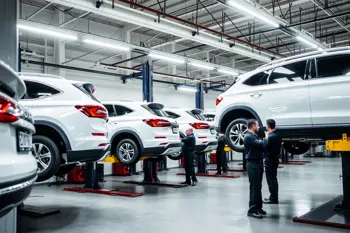
Operating a fleet of all-wheel-drive vehicles demands strict adherence to preventative maintenance protocols to avoid premature drivetrain failures. The complexity of electronic transfer cases, multi-speed automatic transmissions, and differential assemblies necessitates regular fluid changes and specialized mechanical inspections. Furthermore, tire wear must be strictly monitored and synchronized, as mismatched tire circumferences can cause excessive friction and permanent damage to the all-wheel-drive system. These technical requirements contribute to slightly elevated annual maintenance budgets.
To mitigate these mechanical risks, modern operators utilize advanced vehicle telematics systems to perform real-time diagnostic monitoring and schedule service proactively 12. These systems track transmission temperature, fluid life, tire pressure, and engine codes, allowing administrators to address minor mechanical issues before they develop into costly system failures 12. Integrating systematic maintenance scheduling with reliable automatic drivetrains, such as those found on the Ford Explorer 13, helps secure fleet longevity and performance.
Sources
- GetRentacar Fleet Logistics Blog
- Koch Ford Official Database
- Cramer Fleet Solutions Inventory
- Toyota Official Portal
- AutosToday Vehicles Database
- Driving.ca Automotive Portal
- AutosToday Fleet Registry
- Toyota USA Newsroom
- Cramer Fleet Solutions Sequoia Portfolio
- Chevrolet Fleet Division
- Alibaba Product Insights
- Fleet Owner Magazine
- Ford Fleet Division