How to Use Salt to Kill Weeds: A Complete Guide to Natural Weed Control
Facts:
- Salt dehydrates plants by disrupting their internal water balance.
- A growing trend for eco-conscious gardeners involves using household items for pest and weed control.
The Definitive Guide to Using Salt for Weed Control
Welcome to your ultimate resource on how to use salt to kill weeds, a method that has been used for centuries as a simple yet powerful herbicide. Many gardeners are turning to natural weed control methods to avoid harsh chemicals, and salt offers a readily available and inexpensive option. This guide will provide detailed instructions, crucial precautions, and effective weed killing tips to ensure you achieve the best results without harming your desired plants or soil. Understanding the principles behind salt weed removal is the first step toward reclaiming your garden paths, driveways, and patios from invasive plants. We will explore the science, the application techniques, and the best practices for this popular form of garden weed solutions.
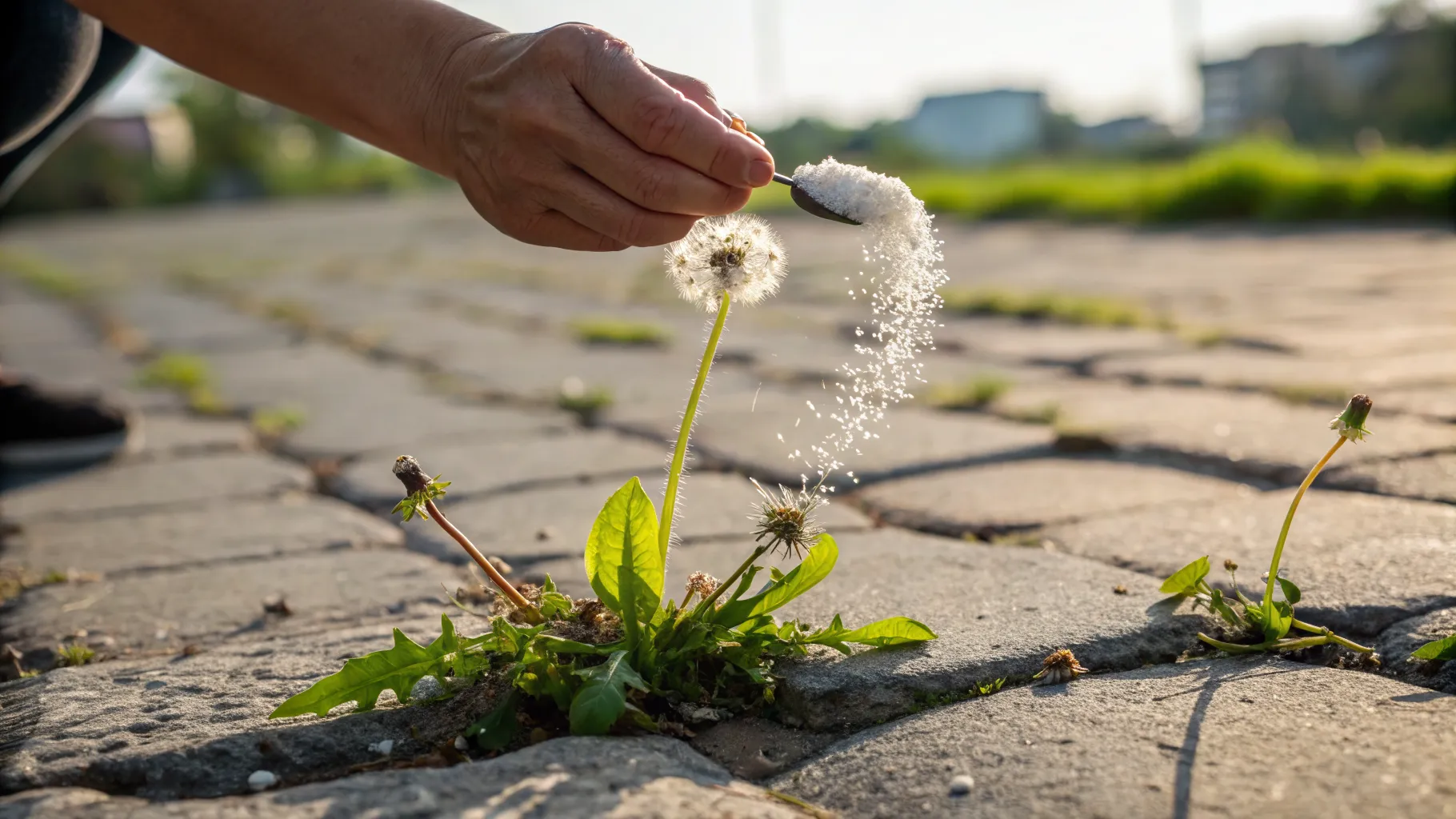
Step-by-Step Instructions for Effective Salt Weed Removal
Proper application is critical when you learn how to use salt to kill weeds. Simply sprinkling dry salt is less effective and can lead to excessive soil contamination. The best approach is to create a saline solution that can be precisely applied. Start by gathering your materials: common table salt (sodium chloride) or rock salt, water, and a targeted applicator like a spray bottle or a watering can with a narrow spout. The goal is to drench the weed, including its leaves and the base of the plant, to ensure the salt solution is absorbed effectively. This method is particularly useful for weeds growing in sidewalk cracks, gravel driveways, or along fence lines where you don't have to worry about runoff affecting other plants. Consistency is key; a single application may not be enough for deep-rooted perennial weeds, so be prepared for follow-up treatments. These weed killing tips will maximize the efficacy of your efforts.
Crafting the Perfect Saline Solution for Weeds
Creating the right concentration is a core component of successful salt weed removal. A general guideline is to mix one part salt with two or three parts water. For example, you could dissolve one cup of salt in two cups of hot water. Using hot water helps the salt dissolve more completely, creating a more potent solution. For very stubborn or resilient weeds, you might increase the ratio to one part salt to one part water. Some garden weed solutions also recommend adding a small amount of liquid dish soap to the mixture. The soap acts as a surfactant, helping the saltwater solution stick to the weed's leaves rather than just rolling off. This ensures the plant absorbs more of the salt, speeding up the dehydration process. Always mix the solution thoroughly just before application to ensure the salt is fully dissolved and evenly distributed.
Where to Use Salt and Where to Avoid It in Your Garden
While an effective tool, understanding where to apply this method is one of the most important weed killing tips. The primary rule of using natural weed control methods like salt is to be precise. Salt is non-selective, meaning it will kill any plant it comes into contact with, not just the weeds. Therefore, it is ideal for areas where you want to eliminate all vegetation, such as cracks in pavement, gravel paths, and patios. Avoid using it in or near garden beds, lawns, or around the base of trees and shrubs, as the salt can leach into the soil and create a toxic environment for your desired plants. Repeated, heavy use of salt can lead to soil salinization, which renders the soil infertile for a long time. When considering how to use salt to kill weeds, always think about the long-term health of your soil and the surrounding ecosystem.
Pros and Cons of Salt as a Natural Weed Killer
Every gardening technique has its benefits and drawbacks, and using salt is no exception. On the pro side, salt is inexpensive, widely available, and free of the synthetic chemicals found in commercial herbicides, making it a popular choice for those seeking natural weed control methods. It is generally effective on a wide range of common weeds. However, the cons are significant and must be carefully considered. As mentioned, salt's non-selective nature poses a risk to nearby plants. The biggest concern is its persistence in the soil. Unlike some herbicides that break down over time, salt accumulates, which can cause long-term damage to soil structure and health, a critical factor for any gardener. This makes salt weed removal a solution best reserved for specific, isolated applications rather than widespread use across a garden or lawn.
Actionable Garden Weed Solutions and Best Practices
To maximize your success and minimize risks, follow these essential garden weed solutions when using salt. These tips ensure you are using this method responsibly and effectively.
- Target Application: Always apply the salt solution directly to the weeds. Use a spray bottle for precision or a watering can with a small spout to avoid splashing onto nearby plants or lawns.
- Choose the Right Day: Apply the solution on a warm, sunny day with little to no wind. The sun helps to accelerate the dehydration process, and the lack of wind prevents the spray from drifting onto your prized plants.
- Protect the Soil: If you must use salt near a garden bed, consider creating a physical barrier with plastic sheeting or cardboard to prevent the solution from seeping into the protected soil.
- Monitor and Reapply: Keep an eye on the treated weeds. You should see them begin to wilt and die within a few days. For tougher weeds, a second or third application may be necessary to complete the job.
- Consider Alternatives: For areas near sensitive plants, consider other natural weed control methods like boiling water, vinegar solutions, or manual removal to protect your garden's biodiversity.
Frequently Asked Questions
How long does it take for salt to kill weeds?
You can typically see weeds begin to wilt within hours of application, especially on a sunny day. Most weeds will be completely brown and dead within 7 to 10 days. The effectiveness of this salt weed removal technique depends on the weed type, its size, and the concentration of your saline solution.
Can I use any type of salt to kill weeds?
Yes, most types of salt (sodium chloride) will work, including table salt, rock salt, and sea salt. It's one of the most accessible garden weed solutions. Avoid using Epsom salt (magnesium sulfate), as it is often used as a plant nutrient and will not be effective for killing weeds.
Is using salt for weeds safe for pets?
While salt itself is not toxic in the same way as chemical herbicides, ingesting a large amount can be harmful to pets, potentially causing dehydration or sodium ion poisoning. It's best to keep pets away from treated areas until the solution has dried completely. This is a crucial consideration for all natural weed control methods.
Will salt permanently prevent weeds from growing back?
Salt can make the soil inhospitable for a long time, which can prevent weeds from regrowing in that specific spot. However, this also means desirable plants won't grow there either. For a truly permanent solution in areas like driveways, repeated application as part of your weed killing tips may be necessary as the salt gets diluted over time by rain.
References
- Journal of Environmental Horticulture
- The National Gardening Association Archives
- Purdue University Extension - Weed Science
- Organic Gardeners' Handbook