Gardening Classes for Beginners: Your Ultimate Guide to Getting Started
Facts:
- Gardening boosts mental well-being and reduces stress significantly.
- A growing trend is urban and container gardening for beginners.
Why Taking a Gardening Class is Your First Step to a Green Thumb
Embarking on a gardening journey can feel overwhelming, but it doesn't have to be. For anyone looking to cultivate their own patch of green, enrolling in gardening classes for beginners is the most effective way to start. These structured courses are designed to demystify the process, providing you with the foundational knowledge and confidence needed to succeed. Instead of relying on trial and error, you can learn gardening basics from experienced instructors who can guide you past common pitfalls. From understanding soil health to choosing the right plants for your climate, these classes provide a comprehensive roadmap to creating a flourishing garden you can be proud of.
What to Expect in Beginner Gardening Workshops
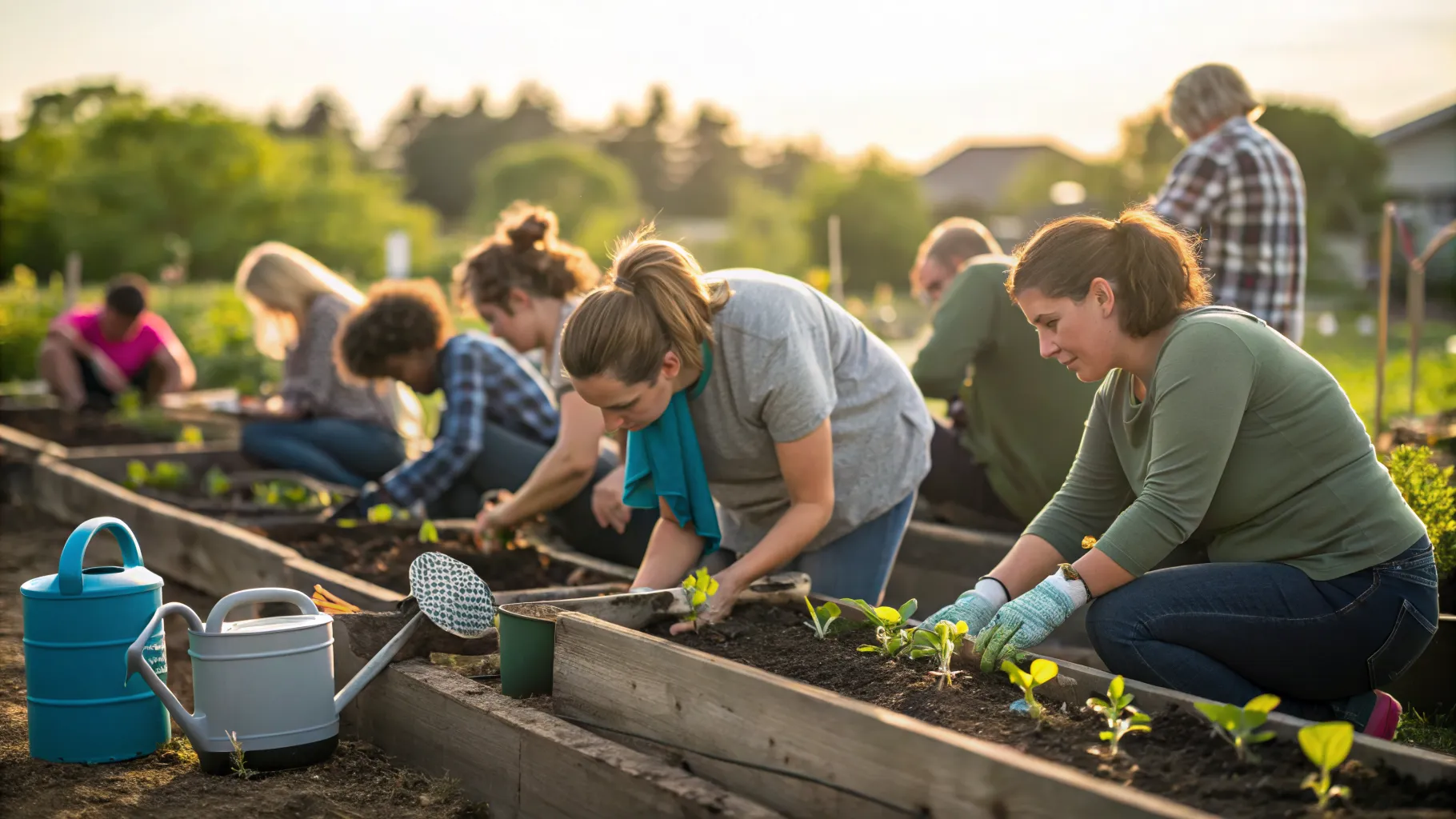
When you sign up for beginner gardening workshops, you are investing in a hands-on educational experience. These sessions typically cover a wide array of fundamental topics essential for any new gardener. You'll delve into the science of soil, learning about composition, pH levels, and how to amend it for optimal plant growth. Another core component of these gardening lessons is plant selection; instructors will teach you how to choose species that are well-suited to your specific environment, whether you have a large backyard or a small apartment balcony. Furthermore, you will receive practical instruction on proper planting techniques, including seed starting, transplanting seedlings, and understanding spacing requirements. Pest and disease management is also a crucial subject, where you'll learn organic and sustainable methods to keep your plants healthy without resorting to harsh chemicals.
Choosing the Right Garden Training Classes for You
With a variety of options available, selecting the perfect garden training classes depends on your learning style, budget, and schedule. In-person workshops, often held at local botanical gardens, community centers, or nurseries, offer invaluable hands-on experience and the opportunity to ask questions in real-time. This format is ideal for those who learn best by doing. Conversely, online gardening classes for beginners provide flexibility, allowing you to learn at your own pace from the comfort of your home. These digital courses often feature video tutorials, downloadable resources, and online forums to connect with fellow students and instructors. When comparing options, consider the curriculum's depth. Some classes offer a general overview, while others might specialize in specific areas like vegetable gardening, native plants, or container gardening. Evaluate the instructor's expertise and read reviews from previous students to ensure the class aligns with your personal gardening goals.
Core Skills You Will Learn in Gardening Lessons
The primary goal of any quality gardening course is to equip you with practical, actionable skills. These expert-led gardening lessons transform theory into practice, ensuring you can confidently manage your garden. Here are some of the essential skills you'll master:
- Soil Preparation and Health: You will learn how to assess your soil type, the importance of compost and organic matter, and how to create a nutrient-rich foundation for your plants to thrive. This is the single most important factor in gardening success.
- Proper Planting and Spacing: Instructors will demonstrate the correct depth for sowing seeds and transplanting young plants. You'll also learn why proper spacing is critical for air circulation, sunlight exposure, and preventing the spread of disease.
- Effective Watering Techniques: One of the most common beginner mistakes is improper watering. You'll learn how to water deeply and infrequently to encourage strong root growth, how to recognize signs of over or under-watering, and the best time of day to water your garden.
- Pruning and Maintenance: Discover the art and science of pruning to encourage healthy growth, increase flower or fruit production, and maintain the desired shape of your plants. This includes deadheading, thinning, and shaping different types of plants.
- Integrated Pest Management (IPM): You'll be taught how to identify common garden pests and diseases and learn sustainable, eco-friendly strategies to manage them, such as companion planting, introducing beneficial insects, and using organic sprays.
From Novice to Gardener: Applying Your New Skills
Completing a course is just the beginning. The real learning happens when you apply the knowledge from your garden training classes to your own space. Start small to avoid feeling overwhelmed. A few containers on a patio or a small raised bed are perfect for a first-time project. Don't be afraid to experiment with different plants and techniques you learned about. Keep a simple garden journal to track what you planted, when you watered, and any pest issues you encountered. This record will become an invaluable resource for future seasons. Remember that every gardener, no matter how experienced, faces challenges. Plants may fail, and pests may appear. View these moments not as failures, but as learning opportunities that are part of the journey. The skills you acquire will empower you to troubleshoot problems and adapt your approach, gradually building your confidence and expertise.
The Social Benefits of Learning to Garden Together
Beyond the practical skills, engaging in beginner gardening workshops offers significant social benefits. These classes bring together like-minded individuals who share a common interest in plants and nature. This creates a supportive community where you can exchange tips, share successes, and find encouragement when facing challenges. Working alongside others fosters a sense of camaraderie and can lead to lasting friendships. Many community gardens and local clubs are born from these initial connections made during gardening classes for beginners. Being part of a gardening community provides a network of resources and support that extends long after the class has ended, enriching your gardening journey in countless ways.
Frequently Asked Questions
How much do gardening classes for beginners typically cost?
The cost can vary widely depending on the provider, duration, and format. A single, two-hour workshop at a local nursery might range from $25 to $75, while comprehensive multi-week courses or university extension programs can cost several hundred dollars. Online classes often have a broader price range, with some available via subscription services.
Are online gardening lessons as effective as in-person ones?
Both have their advantages. Online lessons offer incredible flexibility and a vast amount of information you can revisit anytime. In-person workshops provide irreplaceable hands-on experience and direct interaction with an instructor. Many beginners find a hybrid approach, combining online learning with occasional hands-on workshops, to be the most effective strategy.
What basic tools do I need before I learn gardening basics?
You don't need many tools to get started. A quality pair of gardening gloves, a hand trowel for digging, a hand fork for breaking up soil, a sturdy watering can or hose with a gentle spray nozzle, and a pair of pruning shears (secateurs) will cover most of your initial needs.
References
- Journal of Horticultural Science and Biotechnology
- Local University Agricultural Extension Publications
- The National Gardening Association Archives
- Manual of Urban and Container Gardening