Hair Color Mistakes That Make You Look Older: An Expert Guide
Facts:
- Going too dark or too light can harshly contrast with maturing skin.
- Soft, multi-tonal looks are a key trend for mature hair color ideas.
Why Your Hair Color Might Be Aging You Unintentionally
Choosing the right hair color is a powerful tool in your beauty arsenal, capable of illuminating your features and boosting your confidence. However, the wrong choice can have the opposite effect, inadvertently adding years to your appearance. Many people fall into common traps without realizing it, leading to a look that feels harsh, dated, or simply unflattering. Understanding the most frequent hair color mistakes that make you look older is the first step toward reclaiming a vibrant, youthful glow. These aren't just about specific shades, but also about application, tone, and dimension. This guide will delve into the most prevalent aging hair color choices and provide you with actionable hair coloring tips to ensure your color works for you, not against you.
Mistake 1: Choosing a Color That's Too Dark and Solid
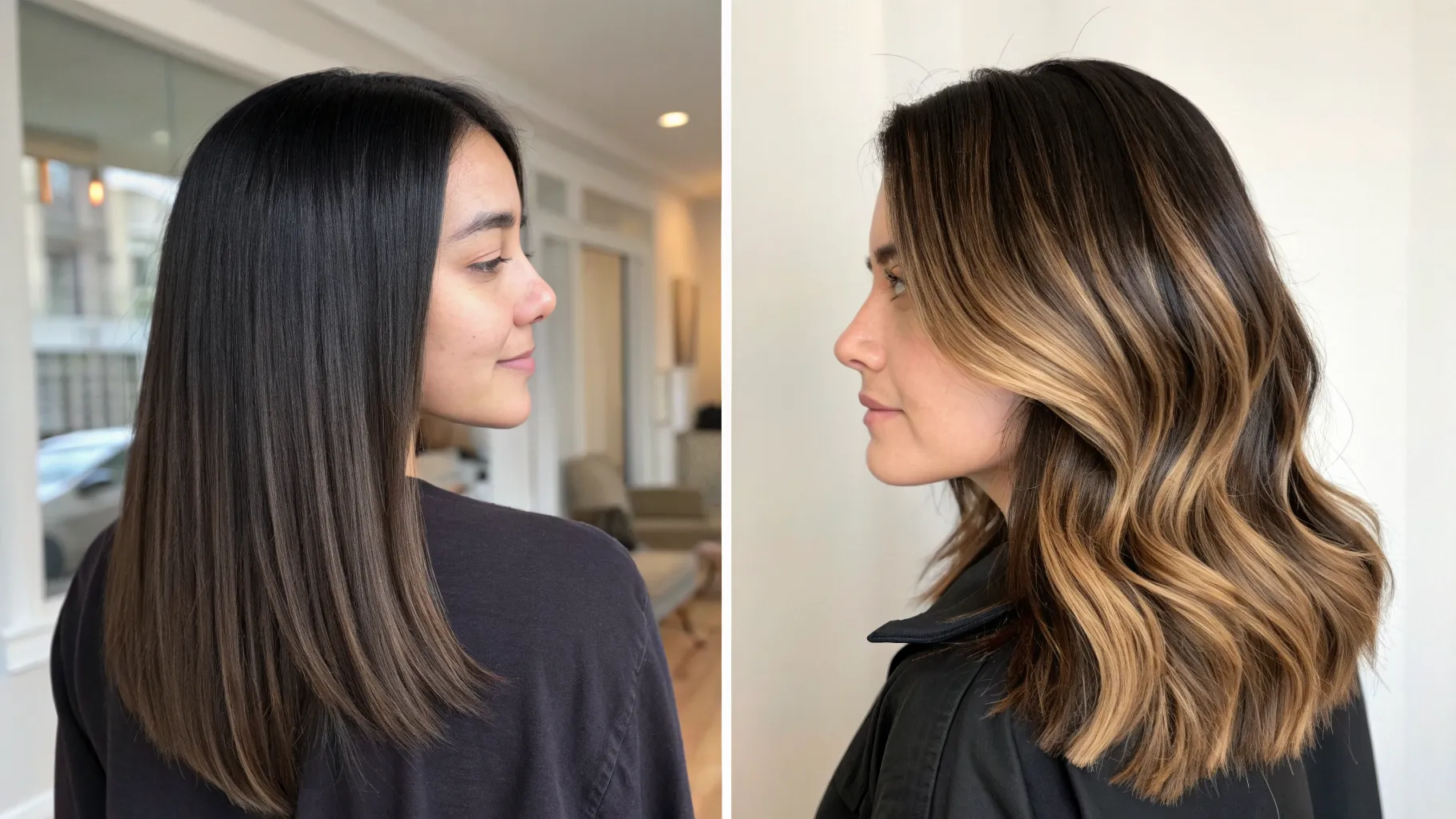
One of the most common hair color mistakes is opting for a single, dark, monochromatic shade. While rich, dark hair can be stunning, a flat, jet-black or deep-brown color can create harsh shadows on the face, emphasizing fine lines, wrinkles, and dark circles under the eyes. As we age, our skin naturally loses some of its pigment and elasticity, and a severe, solid hair color creates a stark contrast that can look unnatural and draining. This is a classic example of aging hair color choices that many people make in an attempt to cover grays, but it often backfires by washing out the complexion and making facial features appear sharper and less soft.
Mistake 2: Going Too Ashy or Cool-Toned
Cool, ashy tones can be incredibly chic, but they are also a significant pitfall when it comes to hair color mistakes that make you look older. As skin and hair lose pigment with age, adding more cool, ashy tones can accentuate any grayness in the hair and make the skin appear dull, sallow, or even gray. These colors can lack the warmth and vibrancy needed to bring life to the complexion. If your skin already has cool or pink undertones, an ashy hair color can exacerbate redness and create a washed-out effect. Instead, incorporating a touch of warmth can illuminate the face and create a more youthful and healthier appearance, a key aspect of good hair coloring tips.
Mistake 3: A Complete Lack of Dimension
Youthful hair is naturally multi-tonal, with subtle variations in shade that catch the light. Applying a single, flat color from root to tip eliminates this natural dimension, resulting in a heavy, wig-like appearance that is instantly aging. This is one of the most overlooked yet critical hair color mistakes that make you look older. Without highlights or lowlights to break up the color, the hair can look dense and artificial. The best mature hair color ideas always involve creating dimension. Techniques like balayage, babylights, or strategically placed foils can mimic the sun-kissed, dimensional color of younger hair, adding movement and preventing the color from looking like a helmet.
Mistake 4: Ignoring Your Natural Skin Undertones
A successful hair color harmonizes with your skin's natural undertones (warm, cool, or neutral). Choosing a color that clashes with your undertone is a guaranteed way to look tired and older. For instance, if you have warm, golden skin and you choose an icy, platinum blonde, the color will fight against your complexion, making you look pale or sallow. Conversely, if you have cool, rosy skin and opt for a brassy, golden-orange hue, it can bring out redness and look unnatural. One of the most important hair coloring tips is to identify your undertone first. This ensures the shade you choose complements your skin, making it look radiant and healthy rather than drained.
Mistake 5: Drastic Contrast and Unmaintained Roots
A stark contrast between your hair color and your natural root color, especially when gray roots are showing, can be very aging. A severe demarcation line not only looks unkempt but also draws attention to the fact that the color is artificial and highlights the passage of time. This is a crucial point among common hair color mistakes. Opting for a color that is too far from your natural shade makes maintenance a constant battle. Instead, modern mature hair color ideas often include techniques like root smudging or shadow roots, which create a softer, more gradual transition from the root, allowing for a more graceful grow-out and a less severe look overall.
Actionable Hair Coloring Tips for a Youthful Look
Avoiding the pitfalls is one thing, but knowing what to do instead is key. Here are some expert tips to ensure your hair color makes you look fresh, vibrant, and modern.
- Embrace Warmth: Incorporate warm tones like honey, caramel, or golden beige into your hair. These shades reflect light and can bring a warm, youthful glow to your complexion, counteracting the dullness that can come with age.
- Add Strategic Dimension: Ask your colorist for highlights and lowlights. Face-framing highlights, often called a 'money piece,' can instantly brighten your face. Lowlights add depth and richness, preventing the color from looking flat.
- Don't Go Overboard with Lightness: While going lighter is often recommended, going too light can wash you out just as much as going too dark. Aim for a shade that is one or two levels lighter than your natural color for a subtle, flattering lift.
- Prioritize Hair Health: Healthy, shiny hair always looks more youthful. Invest in deep conditioning treatments, use color-safe products, and minimize heat styling. Damaged, brittle hair will make any color look dull and aged.
- Consult a Professional: While DIY color can be tempting, a professional colorist can properly assess your skin tone, hair condition, and desired maintenance level. They are experts in avoiding these aging hair color choices and can customize a color perfect for you.
Frequently Asked Questions
What are the biggest hair color mistakes that make you look older?
The most significant hair color mistakes that make you look older include choosing a single, flat color that's too dark, opting for overly ashy tones that wash out the skin, ignoring your natural skin undertones, and having a harsh contrast between your roots and colored hair. A lack of dimension is another major culprit.
Are there specific mature hair color ideas that are universally flattering?
While 'universally flattering' is difficult, some mature hair color ideas tend to work well for many. These often involve soft, multi-dimensional colors like bronde (a mix of brown and blonde), caramel highlights on a brunette base, or warm, honey-toned blondes. The key is incorporating warmth and dimension rather than choosing a single, flat shade.
How can I find the right hair color to avoid aging hair color choices?
The best way to avoid aging hair color choices is to consult with a professional stylist. They can analyze your skin's undertones (cool, warm, or neutral) and recommend shades that will complement your complexion. As a general rule, look for colors that add warmth and brightness around your face.
References
- Journal of Cosmetic Dermatology
- International Trichology Congress Publications
- The Science of Hair Care
- Professional Colorist Annual Reports