How to Make Your House Smell Good
A pleasant smelling home creates a welcoming environment for both residents and guests. Achieving a fresh smelling home involves more than just masking odors; it requires a strategic approach to cleanliness and air quality.
Identify and Eliminate Source Odors
The foundation of any fresh smelling home begins with finding where unpleasant smells originate. Common culprits include garbage cans, pet bedding, and damp towels left in hampers. Before attempting to add fragrance to a room, it is essential to remove the items that are causing the bad smells in the first place.
Moisture is another major contributor to persistent house odors. Areas like bathrooms and basements can harbor mold and mildew if not properly ventilated. Checking for leaks and running a dehumidifier can drastically improve the baseline scent of your home.
Establish a Routine Cleaning Schedule
Consistent cleaning is one of the most effective house odor tips. Dust, pet dander, and food particles accumulate quickly and can create a stale atmosphere. Vacuuming carpets and mopping hard floors regularly will lift trapped odors from surfaces.
- Washing bed linens and pillowcases weekly
- Laundering curtains and drapes every few months
- Cleaning upholstery and decorative throw pillows
Utilize Natural Deodorizers
Many everyday pantry items double as excellent odor neutralizers. Baking soda is highly effective at absorbing unwanted smells without adding any artificial fragrance. You can place open boxes in the refrigerator, sprinkle it on carpets before vacuuming, or leave a bowl in a musty closet.
White vinegar is another powerful tool to make a house smell good naturally. While it has a strong scent initially, it dissipates quickly and takes lingering odors with it. Simmering a pot of water with vinegar and citrus peels on the stove is a classic method for neutralizing cooking smells after preparing a heavy meal.
Optimize Indoor Air Circulation
Stagnant air often leads to a stuffy environment. Simply opening windows for fifteen to thirty minutes a day allows fresh outdoor air to replace stale indoor air. This cross-ventilation process is completely free and makes a noticeable difference in how a room feels and smells.
When weather conditions do not permit open windows, mechanical ventilation can step in. Turning on bathroom exhaust fans during showers and utilizing the range hood while cooking will pull moisture and food odors outside. Air purifiers equipped with HEPA and carbon filters are also excellent for capturing airborne particles and smells.
Introduce Subtle Home Fragrance Ideas
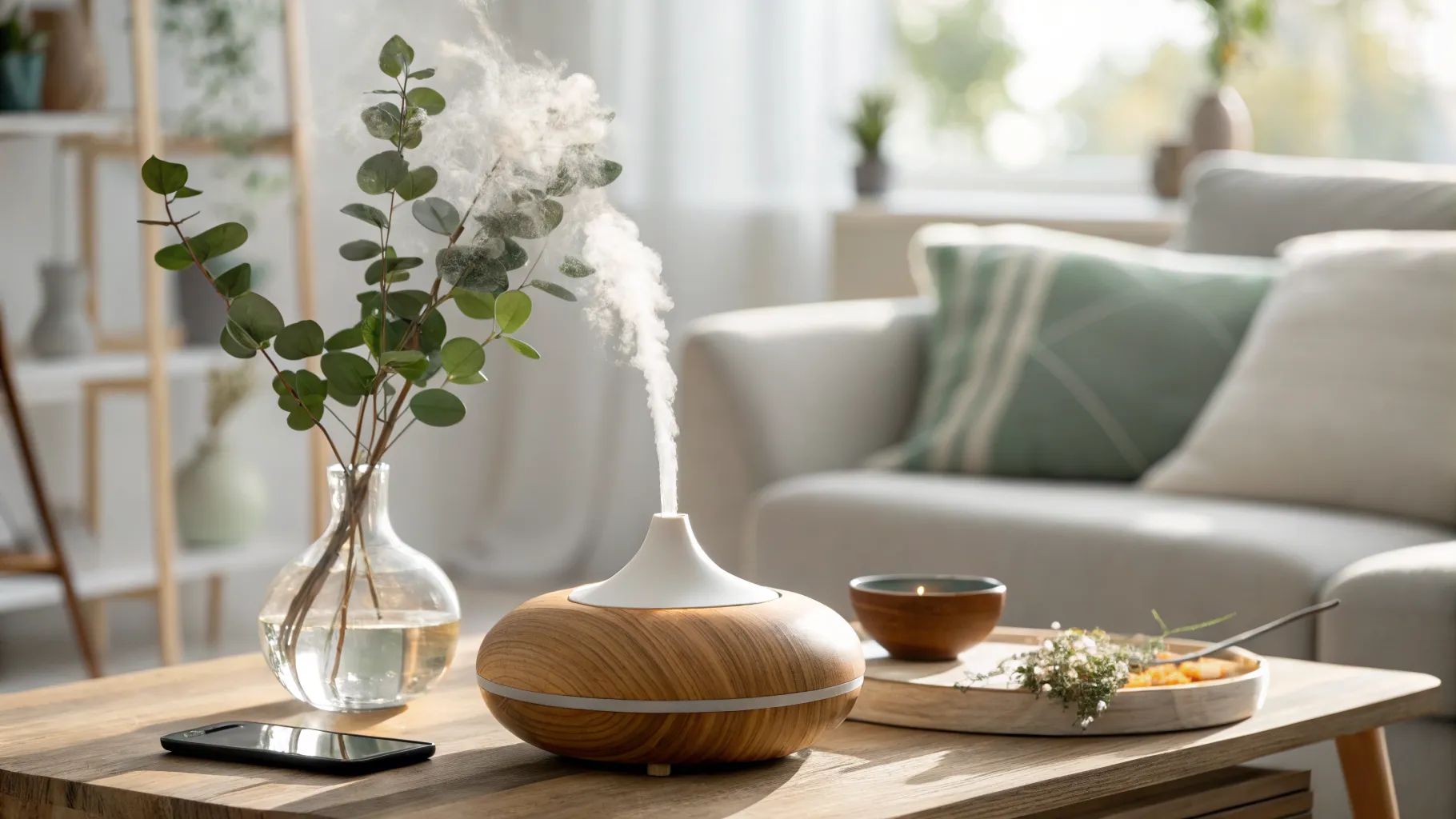
Once the home is clean and neutralized, adding scent becomes much more effective. Essential oil diffusers offer a customizable way to introduce fragrance. Oils like lavender, lemon, and eucalyptus provide a light, natural aroma that does not overpower the senses.
Simmer pots are another natural alternative to synthetic air fresheners. By combining water, cinnamon sticks, cloves, and orange slices in a slow cooker or on the stovetop, you can create a warm and inviting atmosphere. This method is particularly popular during the colder months when you want your home to feel cozy.
Maintain Freshness in Problem Areas
Certain zones in the house require extra attention to keep odors at bay. Kitchens and bathrooms naturally generate more smells than bedrooms or living rooms. Keeping drains clean and ensuring the garbage disposal is free of food debris will prevent foul smells from wafting through the house.
- Flushing kitchen drains with baking soda and hot water
- Using small charcoal odor absorbers near the trash can
- Emptying the bathroom trash frequently to prevent damp odors
- Wiping down the inside of the microwave and oven regularly