A Comprehensive Guide to European Bus Tours for Seniors
Exploring the continent through european bus tours for seniors offers a unique blend of comfort, safety, and cultural immersion. These organized trips take the stress out of planning, allowing older adults to focus entirely on the experience rather than the logistics of international travel.
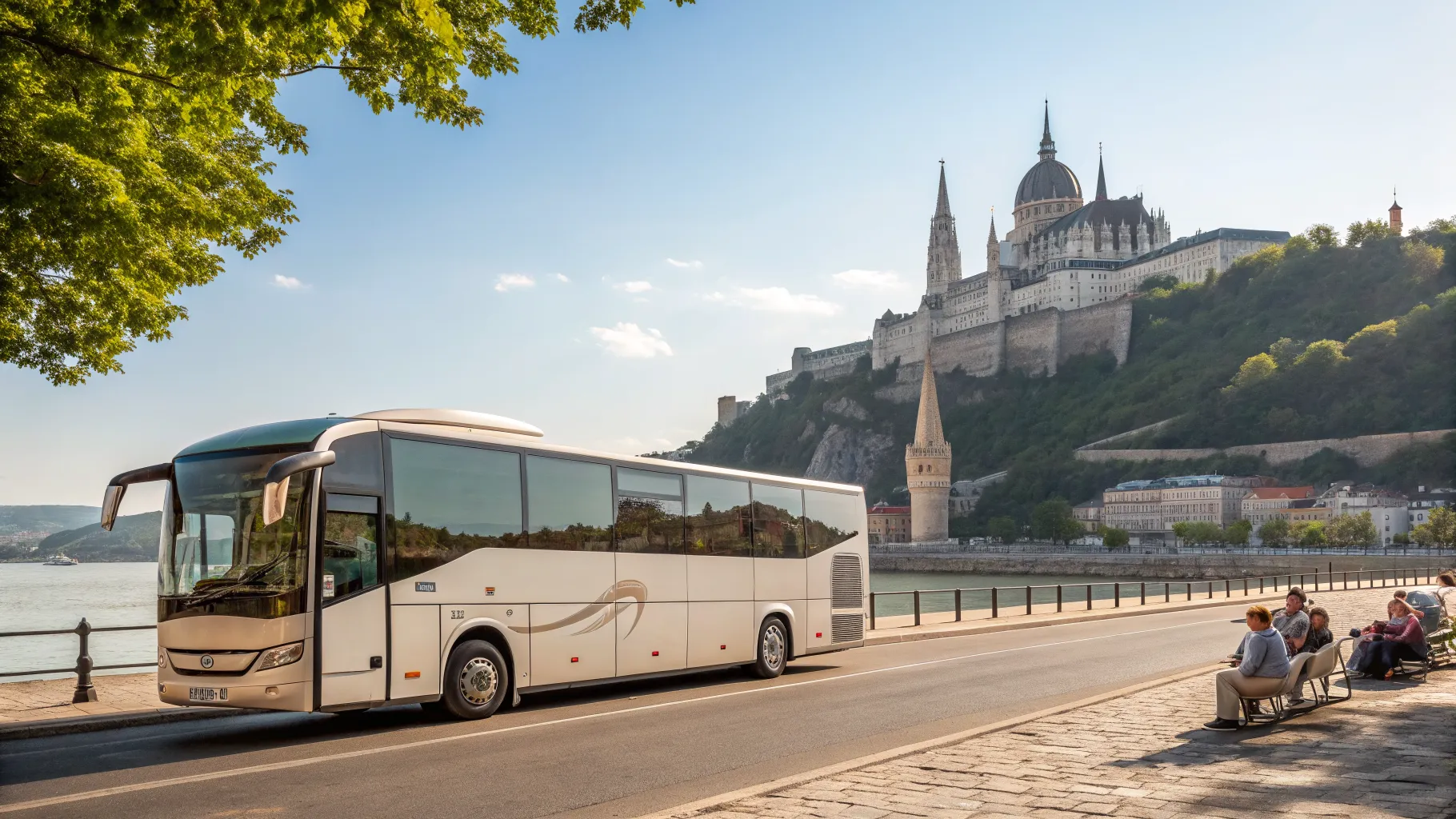
Understanding Guided Bus Tours in Europe for Seniors
Guided bus tours europe style have evolved significantly over the years, catering specifically to the needs of mature travelers. These journeys provide a structured way to see multiple countries or regions without the physical strain of navigating public transportation systems, hauling luggage between train stations, or driving on unfamiliar roads. By handling the logistics of transportation, lodging, and ticketing, these tours eliminate the most taxing aspects of international travel.
For many older adults, the primary appeal lies in the built-in community and access to knowledgeable guides. Traveling with a group of peers fosters a welcoming social environment, making it an excellent option for solo seniors as well as couples. Furthermore, professional tour directors offer historical context and local insights that enrich the sightseeing experience, ensuring that participants gain a deep understanding of the cultures they are visiting.
What to Look for in Senior Bus Travel Europe Itineraries
When evaluating different europe tours for seniors, the pace of the itinerary is one of the most critical factors to consider. Some tours are fast-paced, designed to check off as many landmarks as possible in a short timeframe. However, specialized senior tours typically offer a more relaxed tempo, prioritizing deeper exploration of fewer destinations and allowing ample time for rest.
- Extended stays in single locations to minimize frequent hotel changes and daily packing.
- Built-in free time to relax, shop, or explore independently at a leisurely pace.
- Guaranteed accessible seating arrangements on modern, climate-controlled motorcoaches.
- Clearly labeled physical activity levels for daily excursions to help travelers gauge their stamina.
Accommodations and Accessibility Considerations
The hotels chosen for bus tours europe seniors typically prioritize comfort, convenience, and safety. Tour operators usually select properties that are centrally located, making it easier for participants to explore nearby attractions during their free time without requiring extensive walking or additional taxi rides. These establishments are generally vetted for their ability to accommodate large groups efficiently, ensuring smooth check-ins and reliable baggage handling services.
Accessibility is another vital element of the accommodation strategy. Travelers should look for operators that guarantee properties with elevators, walk-in showers, and minimal stairs. In many historic European cities, older boutique hotels might lack modern accessibility features. Reputable senior tour companies navigate this challenge by partnering with modern hotel chains or carefully selected historic properties that have been fully retrofitted to meet contemporary accessibility standards.
Popular Regions for Senior European Bus Tours
While the entire continent is rich in history and culture, certain regions are particularly well-suited for senior bus travel europe. Western and Central Europe, including countries like Italy, France, and Germany, boast highly developed tourism infrastructures. These areas feature excellent highway systems for smooth bus rides and well-preserved historic centers that have been adapted to accommodate visitors with varying mobility levels.
Southern Europe is another highly sought-after destination, especially during the shoulder seasons of spring and autumn. Tours tracing the Mediterranean coastlines of Spain, Portugal, and Greece offer milder climates and spectacular scenery. Conversely, those who prefer cooler temperatures often gravitate toward the lush landscapes of Ireland and the United Kingdom, where scenic drives through rolling hills and ancient villages provide a visually stunning backdrop without requiring strenuous physical exertion.
Managing Health and Comfort on the Road
Maintaining health and comfort during long stretches of travel is essential for enjoying european bus tours for seniors. While modern tour buses are equipped with ergonomic seating, panoramic windows, and onboard restrooms, sitting for extended periods can still lead to stiffness. It is highly recommended that travelers wear comfortable, loose-fitting clothing and consider utilizing compression socks to promote healthy blood circulation during transit.
Beyond physical comfort on the bus, managing health involves proactive preparation. Travelers must bring an ample supply of any required prescription medications, along with copies of their medical records. Additionally, securing comprehensive travel insurance that includes robust coverage for international medical emergencies and trip cancellations is a non-negotiable step for older adults traveling abroad.
How to Compare Options and Read the Fine Print
Comparing various guided bus tours europe requires a careful review of what is actually included in the base price. Some packages are fully inclusive, covering all meals, gratuities, entrance fees, and optional excursions. Others might offer a lower upfront cost but require participants to pay out of pocket for daily lunches, tips for the driver and guide, or specific sightseeing activities. Understanding this distinction prevents unexpected financial surprises during the vacation.
Finally, prospective travelers should closely examine the operator policies regarding group size and mobility requirements. A smaller group size often translates to a more personalized experience and faster boarding times. Furthermore, many companies require participants to be capable of walking a certain distance unassisted or climbing the stairs of the motorcoach. Reviewing these physical requirements in the fine print ensures that the chosen tour aligns perfectly with the physical abilities and expectations of the traveler.