10 Outdated Home Decor Trends to Avoid
When updating a living space, it is easy to get caught up in popular fads. However, some trends quickly lose their appeal and leave a home looking stuck in a specific era. Understanding which outdated home decor trends to avoid can help you create a timeless and inviting atmosphere.
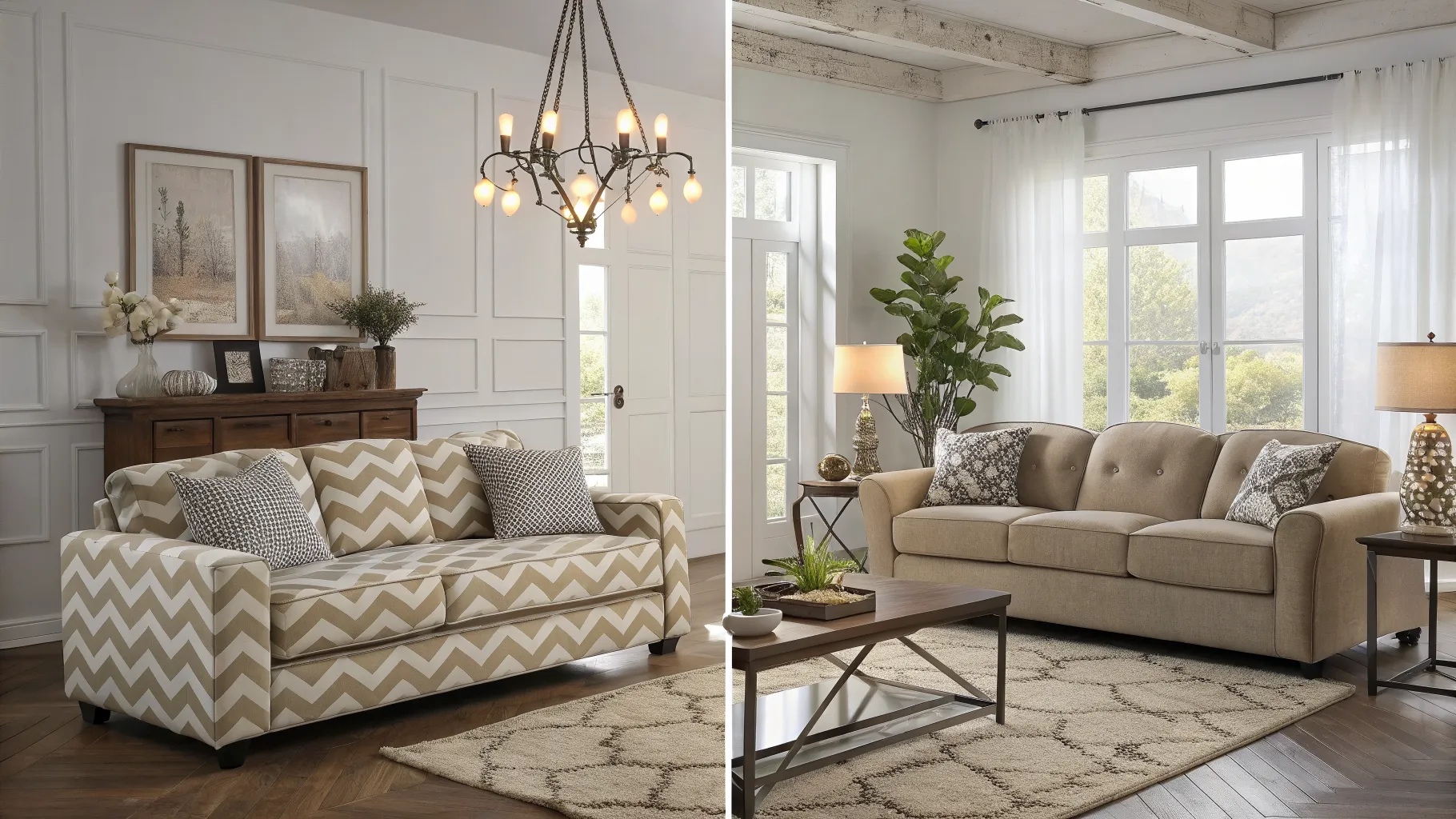
1. Matching Furniture Sets
Buying an entire room of matching furniture used to be the standard way to decorate a bedroom or living room. It was convenient to purchase a bed, dresser, nightstands, and a mirror all in the exact same finish and style.
Today, this approach feels rigid and lacks personality. Instead of identical pieces, interior designers recommend curating furniture that complements rather than matches perfectly. Mixing wood tones, textures, and eras creates a much more organic and collected look that reflects personal taste over time.
2. All-Gray Interiors
For nearly a decade, gray was the dominant neutral color in home design. From cool gray walls to gray wood-look flooring and slate-colored upholstery, this monochrome palette was everywhere. It was initially praised for being a safe, modern alternative to beige.
The design world has now largely moved on from the all-gray aesthetic. Spaces heavily saturated with this color often feel cold, sterile, and unwelcoming. Warm neutrals like taupe, cream, and earthy terracotta are taking over, bringing much-needed warmth and depth back into residential interiors.
3. Sliding Barn Doors
The modern farmhouse movement brought the sliding barn door into millions of suburban homes. They were installed in bedrooms, bathrooms, and pantries as a space-saving alternative to traditional swinging doors. Their rustic hardware and weathered wood finishes were highly sought after.
While they might still make sense in an actual farmhouse or a highly specific rustic setting, barn doors often clash with traditional or contemporary architecture. Furthermore, they are notoriously poor at blocking sound and light, making them highly impractical for bathrooms and bedrooms. Pocket doors or classic paneled doors are a much more versatile and timeless choice.
4. Typography and Word Art
Signs directing people to "Eat" in the kitchen or "Gather" in the living room were a staple of early 2010s decor. Mass-produced word art and vinyl wall decals offered a quick and inexpensive way to fill blank wall space.
This trend is now widely considered one of the most prominent dated decor ideas. Designers suggest letting the function of the room speak for itself without literal signage. Replacing word art with landscape paintings, abstract prints, or personal photography creates a more sophisticated and mature focal point in any room.
5. Faux Distressed Finishes
The shabby chic era popularized furniture with intentionally chipped paint and sanded edges. This faux distressed look was meant to simulate the charm of a cherished antique that had survived generations of use.
Unfortunately, factory-made distressing rarely looks authentic and often comes across as contrived. A truly vintage piece develops a natural patina over decades, which cannot be easily replicated in a manufacturing plant. For a more enduring aesthetic, it is better to invest in well-maintained solid wood furniture or genuine antiques that show natural wear.
6. Vessel Sinks in Bathrooms
Vessel sinks, which sit entirely above the bathroom counter like a bowl, were once viewed as the height of luxury and modern design. They appeared in high-end hotels and quickly made their way into residential powder rooms.
In practice, these sinks create several functional issues. They are difficult to clean around the base, often cause splashing, and require non-standard faucet heights. Undermount sinks are now the preferred standard, offering a clean, seamless look that is far easier to maintain and unlikely to look dated in a few years.
7. Overstuffed Leather Theater Seating
Massive, reclining leather sofas with built-in cup holders were a major trend for basements and family rooms. They prioritized sheer comfort and a cinematic experience, often dominating the entire floor plan with their bulky footprint.
The current direction of interior design leans toward cleaner lines and more proportionate furniture. You can still achieve exceptional comfort with streamlined sectionals and well-crafted upholstered chairs. Opting for tailored seating allows a room to feel spacious and multi-functional rather than looking solely like a dark movie theater.
8. Faux Tuscan Kitchens
In the early 2000s, kitchens were heavily influenced by a romanticized version of the Italian countryside. This meant dark cherry cabinets, heavy wrought-iron fixtures, tumbled marble backsplashes, and faux grapevines draped over cabinets.
This heavy, ornate style makes kitchens feel dark and visually cluttered. Modern kitchen design prioritizes natural light, clean lines, and highly functional layouts. Light wood tones, simple stone countertops, and subtle hardware have replaced the theatrical Tuscan aesthetic, resulting in brighter and more welcoming cooking spaces.
9. Shiplap on Every Wall
Shiplap originally served as a utilitarian material used to construct barns and outbuildings to keep wind out. It eventually became the signature wall treatment for anyone wanting a cozy, coastal, or farmhouse feel in their home.
While a subtle accent wall of shiplap can still work in the right architectural context, covering entire rooms or entire houses in horizontal white boards is a trend to avoid. The overuse of this material has diluted its charm. Traditional wainscoting, board and batten, or simply smooth painted walls offer a much more timeless backdrop for your furnishings.
10. Open Shelving Instead of Upper Cabinets
Removing upper kitchen cabinets in favor of floating wooden shelves was touted as a way to make kitchens feel larger and more airy. It provided an opportunity to display matching dishware, artisan mugs, and trailing house plants.
The reality of open shelving is far less glamorous than magazine photos suggest. It exposes everyday dishes to cooking grease and dust, requiring constant cleaning and perfect organization to look acceptable. A more practical compromise is keeping traditional upper cabinets for everyday storage and incorporating just one or two small shelves for decorative display.