A Guide to Cruises in Croatia: Exploring the Adriatic Coast
With over a thousand islands, crystal-clear turquoise waters, and ancient port towns, Croatia's Adriatic coast is a premier destination for maritime travel. A cruise offers a unique and convenient way to explore this diverse region, allowing travelers to wake up to a new breathtaking view each day. From the bustling historic cities of Split and Dubrovnik to the serene beauty of secluded bays, a Croatian cruise is an experience that combines relaxation, culture, and natural beauty.
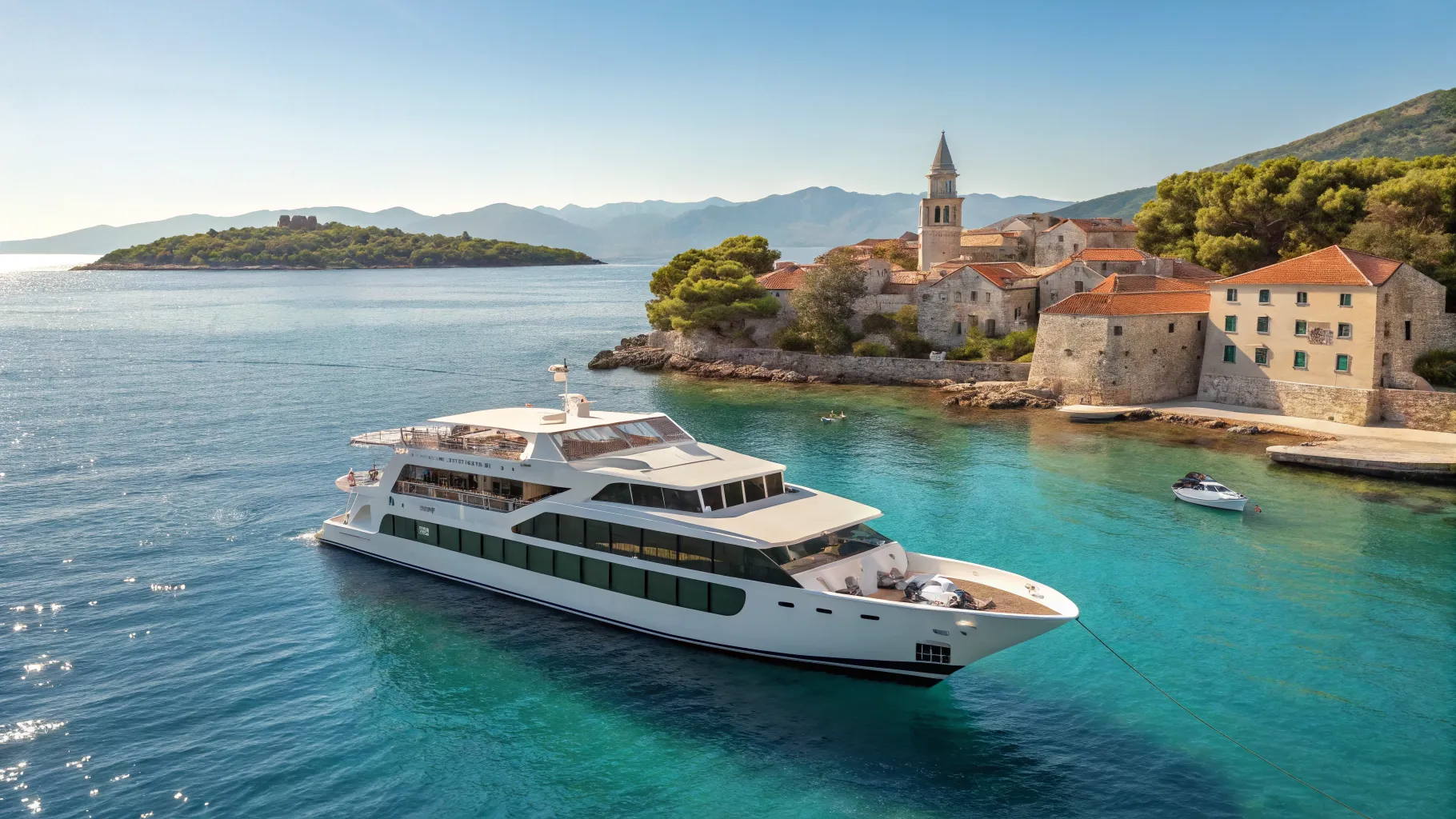
Understanding the Types of Croatian Cruises
When you picture a cruise, you might think of a massive ocean liner, but cruises in Croatia are often a much more intimate affair. The most popular way to see the coast is aboard a small cruise ship or a traditional wooden vessel known as a gulet. These smaller boats can typically accommodate between 20 to 40 passengers, creating a friendly and relaxed atmosphere onboard.
The key advantage of these smaller vessels is their ability to access shallow bays and dock in small, historic harbors that larger ships cannot reach. This allows for a more authentic experience, with opportunities for swim stops in secluded coves and evenings spent exploring charming island towns. While larger international cruise lines do visit major ports like Dubrovnik and Split, the small-ship experience is what truly defines a Croatian coastal journey.
Popular Cruise Routes and Itineraries
Most Croatian cruises follow a one-week itinerary, typically starting from the major coastal cities of Split or Dubrovnik. These routes are designed to showcase the best of the Dalmatian islands. A classic southern route might sail from Split to Dubrovnik (or vice versa), stopping at several iconic islands along the way.
Common stops on these itineraries often include:
- Hvar: Known for its vibrant nightlife, lavender fields, and beautiful Venetian-era architecture.
- Korčula: A fortified town often called 'Little Dubrovnik' and the reputed birthplace of Marco Polo.
- Mljet: A tranquil island, half of which is a national park with two saltwater lakes perfect for kayaking and swimming.
- Brač: Home to the famous Zlatni Rat (Golden Horn) beach, one of the most photographed spots in Croatia.
- Vis: A more remote island known for its untouched nature and the stunning Blue Cave.
What to Expect Onboard a Small Ship
Life on a small Croatian cruise ship is typically casual and centered around enjoying the sea and sun. Most itineraries include breakfast and lunch, which are often served family-style, allowing guests to mingle. The afternoons are usually dedicated to long swim stops in picturesque bays, where you can jump straight from the boat into the warm Adriatic Sea.
Evenings are generally free for you to explore the port town of the day. This gives you the freedom to dine at local restaurants, known as 'konobas', and sample authentic Croatian cuisine. Cabins are comfortable but compact, usually with private bathrooms and air conditioning. The sun deck is the social hub of the boat, a place to relax, read a book, and soak in the ever-changing coastal scenery.
The Best Time to Cruise the Adriatic
The cruising season in Croatia runs from late April to early October. The peak season is July and August, which offers the hottest weather and warmest sea temperatures. However, this is also the busiest and most expensive time, with crowded ports and attractions. For many travelers, the shoulder seasons are ideal.
May, June, and September offer a perfect balance. The weather is still warm and sunny, the sea is pleasant for swimming, and the crowds are significantly smaller. Prices for cruises and onshore activities are often lower during these months as well. Traveling in late April or early October can be a bit more unpredictable weather-wise, but you may be rewarded with even quieter islands and very attractive pricing.
Choosing the Right Cruise for Your Style
With a growing number of operators, there is a cruise to suit almost every type of traveler. It's important to consider what kind of experience you are looking for. Some ships cater to a younger, more party-oriented crowd, while others are focused on a more relaxed, mature, or family-friendly atmosphere. Reading reviews and checking the target demographic of a cruise line is a good first step.
You should also consider the level of comfort and service. Cruise categories typically range from standard to deluxe or luxury. Deluxe vessels will offer more spacious cabins, higher-end amenities, and sometimes extra features like an on-deck hot tub. Think about your budget, your preferred travel style, and the onboard ambiance you desire before making a booking.
Shore Excursions and Activities
A major highlight of any Croatian cruise is the time spent exploring ashore. While some guided walking tours of major towns like Split, Hvar, or Dubrovnik may be included in the cruise package, many activities are optional. This allows you to tailor your days to your own interests.
Popular shore activities include renting a scooter to explore an island, visiting local wineries for a tasting, kayaking around coastal caves, or hiking to fortress ruins for panoramic views. In Mljet National Park, you can rent a bike to cycle around the saltwater lakes. This blend of structured sailing and independent exploration is what makes a Croatian cruise such a dynamic and rewarding travel experience.