Recognizing the Telltale Signs of Poor Blood Circulation
Good blood circulation is vital for overall health, as it ensures that oxygen and nutrients are delivered to every part of your body while waste products are removed. When blood flow is restricted or reduced, it can lead to a range of uncomfortable and sometimes serious symptoms. Recognizing these signs early is key to understanding what might be happening within your body and is the first step toward addressing the underlying causes. This article will walk you through the most common indicators of poor circulation.
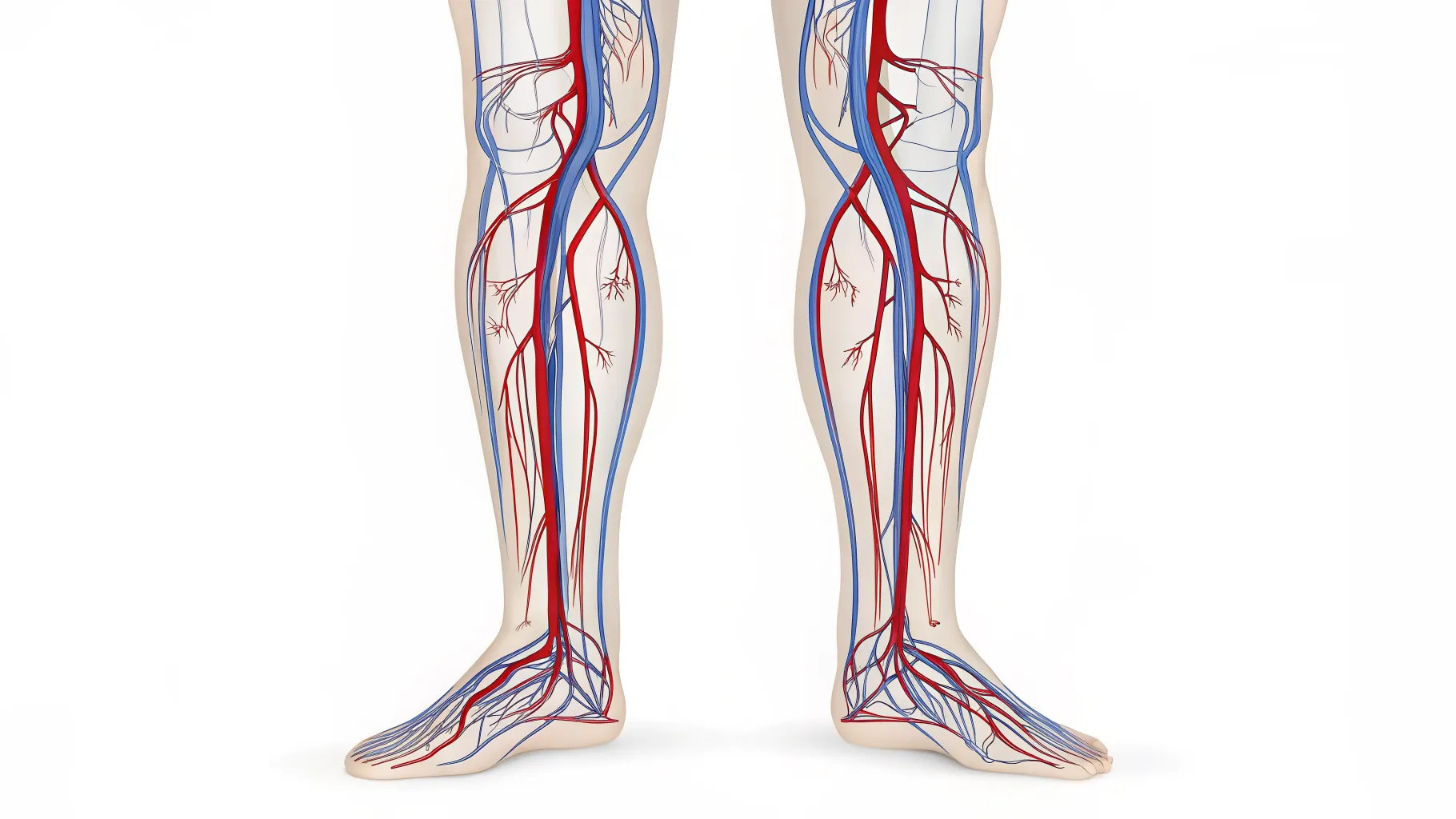
Numbness and Tingling in Extremities
One of the most frequently reported signs of poor circulation is a sensation of numbness or tingling, often described as 'pins and needles.' This typically occurs in the body's extremities, such as the hands, feet, arms, and legs. This feeling, medically known as paresthesia, happens when the steady flow of oxygen-rich blood to the nerves is temporarily disrupted. Without adequate blood supply, the nerves cannot send proper signals to the brain, resulting in these unusual sensations.
While occasional numbness can happen from simply sitting in an awkward position for too long, persistent or frequent tingling can be a red flag for a more chronic circulation issue. It indicates that blood is consistently struggling to reach these distant parts of the body. Paying attention to when and how often this occurs can provide valuable information about the state of your circulatory system.
Cold Hands and Feet
Do your hands and feet often feel cold to the touch, even when you're in a warm environment? This can be a classic sign of poor circulation. Blood helps regulate your body's temperature by distributing heat as it flows. When circulation is compromised, less warm blood reaches the extremities, causing them to feel significantly colder than the core of your body.
This symptom arises because the body prioritizes sending blood to vital organs like the heart and brain when flow is restricted. As a result, the hands and feet are often the first areas to experience a noticeable drop in temperature. While having cold hands or feet from time to time is normal for many people, chronic coldness that doesn't resolve with warming measures like gloves or socks could point to an underlying circulation problem.
Swelling in the Lower Body
Swelling, or edema, in the feet, ankles, and legs is another common indicator of poor blood flow. When your circulatory system isn't working efficiently, fluid can accumulate in the body's tissues instead of being returned to the heart. Gravity tends to pull this excess fluid down to the lower extremities, causing them to swell, particularly after long periods of sitting or standing.
Poor circulation can also affect the kidneys, which play a crucial role in regulating fluid levels. If the kidneys aren't receiving enough blood, they may not be able to remove excess fluid from the body effectively, contributing to edema. This swelling can make your shoes feel tight and may be accompanied by a feeling of heaviness or tightness in the affected limbs.
Skin Discoloration and Ulcers
Changes in your skin's appearance can be a visible clue to circulation problems. A lack of adequate blood flow can cause the skin to look pale, blue (a condition known as cyanosis), or even blotchy and red. This is because the blood is not delivering enough oxygen to the skin tissues, which affects their color and health. These changes are often most noticeable on the toes, fingers, nose, and lips.
Furthermore, poor circulation significantly impairs the body's ability to heal. Wounds, cuts, or scratches, particularly on the legs and feet, may take an unusually long time to get better. In more severe cases, this can lead to the development of leg or foot ulcers. These open sores are difficult to heal because the tissues are not receiving the necessary nutrients and oxygen required for repair.
Persistent Fatigue and Weakness
Feeling constantly tired, even after getting enough rest, can be linked to poor circulation. Your muscles rely on a steady supply of oxygenated blood to produce energy. When blood flow is reduced, your muscles and organs don't get the fuel they need to function optimally, which can lead to a pervasive sense of fatigue and physical weakness.
This can make everyday activities feel more strenuous than they should. You might find yourself out of breath more easily or feel that your muscles are weak and achy. This systemic tiredness occurs because your heart has to work harder to pump blood through a compromised circulatory system, which can be draining on your body's overall energy reserves.
Cognitive Difficulties
Your brain requires a significant and constant supply of oxygen-rich blood to function correctly. When circulation is poor, blood flow to the brain can be reduced, potentially leading to cognitive symptoms. These can include difficulty concentrating, memory problems, and a general feeling of mental fogginess.
You might also experience episodes of dizziness or lightheadedness, especially when you stand up too quickly. This is because the circulatory system is slow to adjust to the change in posture, causing a temporary drop in blood supply to the brain. While many factors can affect cognitive function, persistent issues alongside other signs of poor circulation warrant attention.