Warning Signs of Heart Rhythm Problems You Shouldn't Ignore
Your heart typically beats in a steady, predictable rhythm, but sometimes this rhythm can become irregular. These irregularities are known as arrhythmias, and they occur when the electrical impulses that coordinate your heartbeats don't work properly. While some arrhythmias are harmless, others can be serious and require medical attention. Recognizing the warning signs is crucial for your health.
What Is a Heart Rhythm Problem?
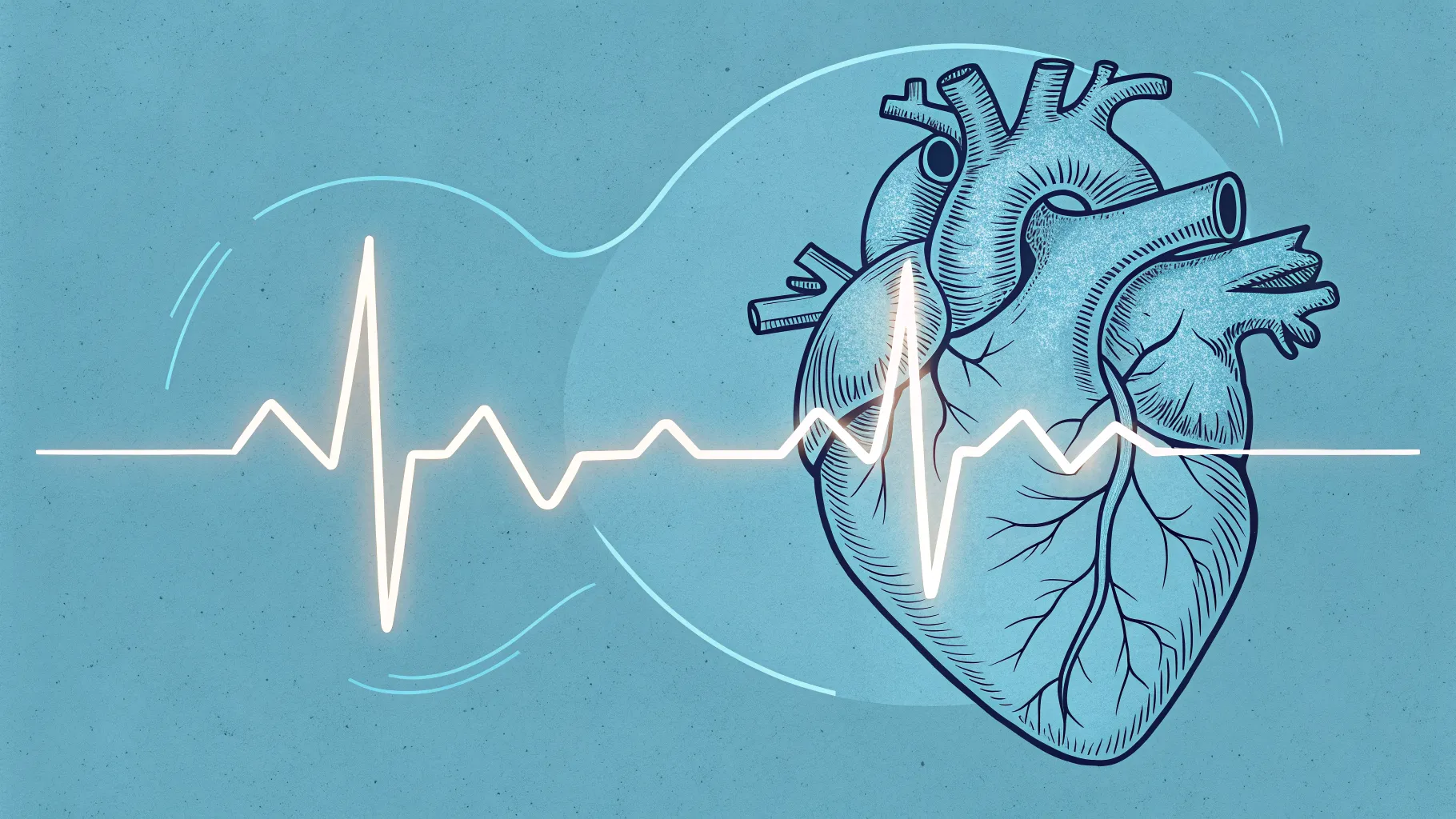
A heart rhythm problem, medically termed an arrhythmia, is any change from the normal sequence of electrical impulses in the heart. These impulses cause the heart to contract and pump blood. When they are disrupted, the heart can beat too fast (tachycardia), too slow (bradycardia), or with an erratic, irregular pattern. This can affect the heart's ability to pump blood effectively to the brain, lungs, and other organs.
These issues can arise from various factors, including underlying heart conditions, high blood pressure, or even stress and caffeine. While many people experience occasional, harmless skipped beats, a persistent arrhythmia can be a sign of a more significant issue that warrants a conversation with a healthcare provider to determine the cause and appropriate course of action.
The Sensation of a Fluttering Heart
One of the most common signs of a heart rhythm problem is heart palpitations. This is a term used to describe the feeling that your heart is beating unusually. People often describe palpitations in different ways, and the experience can be unsettling. You might feel a fluttering sensation in your chest, a rapid or pounding heartbeat, or the sense that your heart has skipped a beat.
Palpitations can occur at any time, whether you are active or at rest. While they are frequently benign and can be triggered by anxiety, caffeine, or exercise, they can also signal an underlying arrhythmia. If palpitations are frequent, prolonged, or accompanied by other symptoms like dizziness or chest pain, it's important to have them evaluated.
Dizziness, Lightheadedness, or Fainting
Feeling dizzy or lightheaded can be a significant warning sign of a heart rhythm disturbance. When the heart beats too slowly, too quickly, or irregularly, it may not be able to pump enough oxygen-rich blood to the brain. This reduction in blood flow can lead to sensations of lightheadedness, weakness, or feeling as if you are about to faint.
In more serious cases, a sudden drop in blood flow to the brain can cause fainting, which is also known as syncope. Fainting should always be taken seriously and investigated by a medical professional. It indicates that the brain was temporarily deprived of adequate blood supply, and an arrhythmia is a potential cause that needs to be ruled out.
Unexplained Shortness of Breath
Shortness of breath, or dyspnea, that occurs without a clear reason is another potential indicator of a heart rhythm problem. If the heart's rhythm is inefficient, it cannot pump blood effectively throughout the body. This can cause blood to back up in the vessels that return from the lungs to the heart, leading to fluid leaking into the lungs themselves.
This symptom might be most noticeable during physical activity, but it can also happen while you are resting or even when you lie down flat. If you find yourself becoming breathless from activities that were once easy for you, or if you wake up at night gasping for air, it could be related to how well your heart is functioning and should be discussed with your doctor.
Chest Pain or Discomfort
While often associated with a heart attack, chest pain or discomfort can also be a symptom of a significant arrhythmia. An irregular heartbeat can cause the heart to work inefficiently, leading to a sensation of pain, pressure, tightness, or aching in the chest area. This discomfort may be brief or last for several minutes.
It is impossible to self-diagnose the cause of chest pain, and its presence should never be ignored. Any new or unexplained chest discomfort requires immediate medical evaluation to determine the cause. A healthcare professional can perform tests to understand if the pain is related to an arrhythmia, a blockage in the arteries, or another condition.
Persistent Fatigue and Weakness
Feeling unusually tired or weak all the time can be a subtle but important sign of a heart rhythm problem. When the heart's pumping action is compromised by an irregular rhythm, the body's organs and muscles may not receive a consistent supply of oxygenated blood. This forces the heart to work harder and can leave you feeling drained and lacking energy.
This type of fatigue is more than just feeling sleepy after a long day; it's a persistent lack of energy that isn't relieved by rest. If you experience profound weakness or exhaustion that interferes with your daily activities, it could be linked to your heart's health. Documenting these symptoms and discussing them with a doctor can help identify the underlying cause.
When to Seek Medical Attention
Recognizing the warning signs of a heart rhythm problem is key to getting a timely and accurate diagnosis. You should consult a healthcare professional if you experience any of the symptoms discussed, particularly if they are new, severe, or occur together. For example, palpitations accompanied by dizziness or chest pain warrant a prompt medical check-up.
Your doctor can use various diagnostic tools, such as an electrocardiogram (ECG or EKG) or a wearable heart monitor, to assess your heart's rhythm and determine the cause of your symptoms. Early detection and management can help prevent potential complications and ensure your heart stays as healthy as possible.