Planning the Perfect 14-Day Trip to Italy for Seniors
A two-week trip to Italy offers a wonderful opportunity to immerse yourself in its rich culture, art, and cuisine without feeling rushed. For senior travelers, thoughtful planning is key to ensuring the journey is as comfortable as it is memorable. Focusing on a relaxed pace, accessible lodging, and smart transportation choices can transform a great vacation into a truly perfect one.
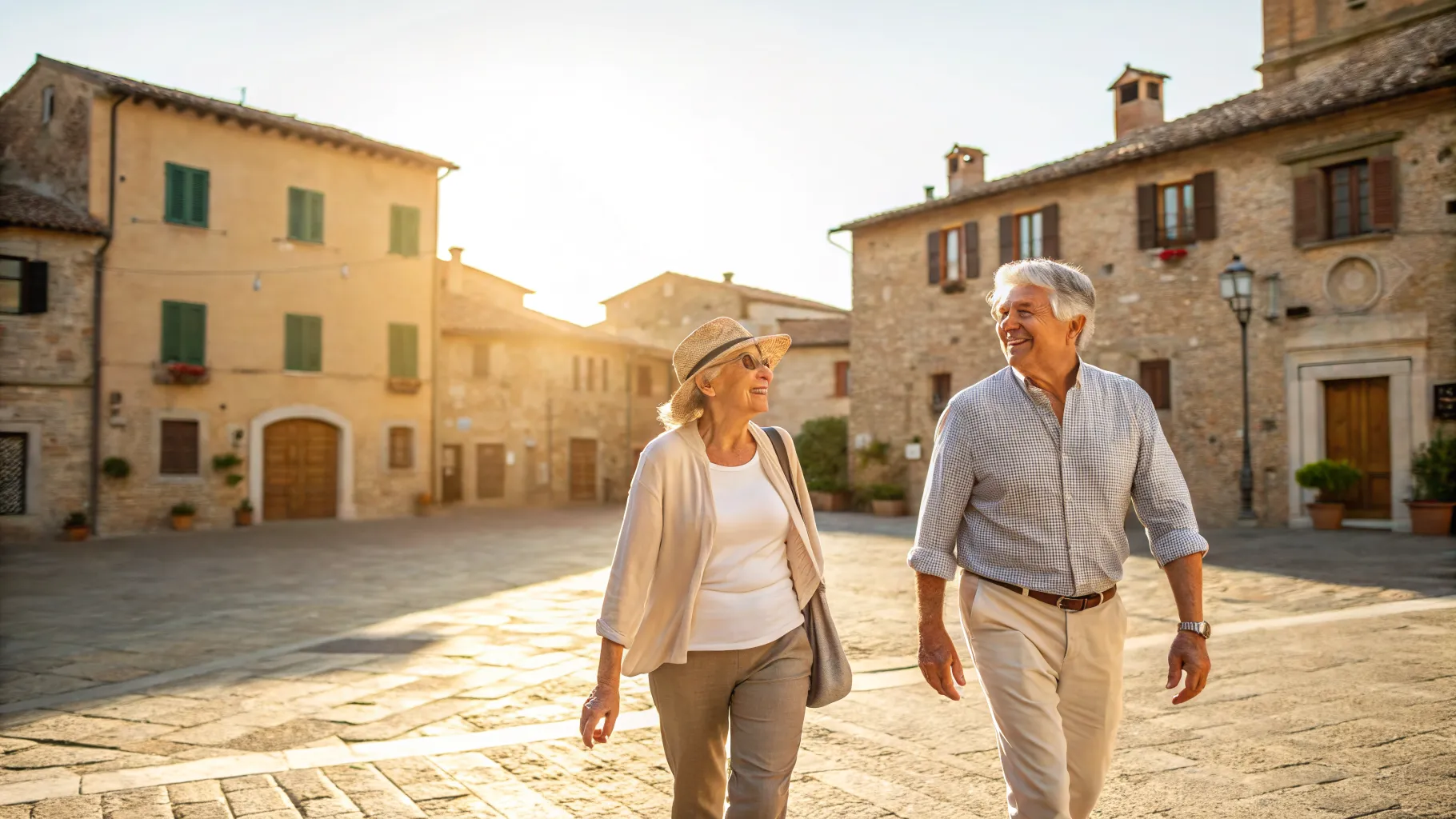
Pacing Your Two-Week Italian Adventure
The temptation to see everything is strong, but a 14-day trip is best enjoyed at a leisurely pace. Rushing from city to city can lead to exhaustion, diminishing the enjoyment of your travels. Instead of trying to visit five or six locations, consider focusing on two or three regions. This approach, often called 'slow travel', allows you to truly settle in, explore local neighborhoods, and appreciate the nuances of each place without the constant stress of packing and unpacking.
A good strategy is to allocate at least three to four nights in each major city. For example, a classic itinerary could include four nights in Rome, four in Florence (with a day trip to Tuscany), and three in Venice. This schedule builds in time for rest, spontaneous discoveries, and simply relaxing at a cafe to watch the world go by. Remember that travel days between cities can take up half a day or more, so factoring them in as low-activity days is wise.
Choosing Senior-Friendly Accommodations
Where you stay can significantly impact your comfort and mobility. When booking hotels or apartments, it's crucial to look for amenities that cater to the needs of older adults. An elevator is often a top priority, as many charming, historic buildings in Italy lack them. Requesting a room on a lower floor can be a good backup plan. Also, check for walk-in showers instead of bathtubs with high sides to improve bathroom safety.
Location is just as important as the amenities inside. Staying in a central, relatively flat part of a city can minimize long, uphill walks to major attractions. Proximity to public transport stops or taxi stands is also a major plus. Reading recent reviews from other travelers can provide valuable insight into a property's accessibility and the nature of the surrounding area, helping you avoid noisy nightlife districts or locations atop steep hills.
Popular 14-Day Itineraries for Older Travelers
With two weeks, you have enough time to explore a significant part of the country. The key is to choose an itinerary that matches your interests and physical stamina. Many travelers opt for a combination of famous cities and relaxing countryside.
Here are a few popular itinerary ideas:
- The Classic Trio: Spend your time exploring the cultural titans of Rome, Florence, and Venice. This route is well-connected by high-speed trains and offers an unparalleled dive into art, history, and iconic landmarks.
- Northern Italy and the Lakes: For a more serene experience, consider a trip focused on Milan, Verona, and the stunning Italian Lakes like Como or Garda. This itinerary offers a beautiful blend of city sophistication and natural beauty with fewer crowds than the main tourist trail.
- Southern Charm: If you've already visited the main cities, a trip to the south can be a wonderful alternative. Explore the Amalfi Coast, basing yourself in a town like Sorrento, and perhaps venture to the historic island of Sicily for a unique cultural experience.
Navigating Transportation in Italy
Getting around Italy is relatively straightforward, thanks to its excellent transportation network. For travel between major cities, the high-speed train system (Frecciarossa, Italo) is the best option. It's fast, comfortable, and takes you directly from one city center to another, eliminating the hassle of airports. Booking first-class or business-class tickets can provide extra legroom and a more relaxing journey.
Within cities, a mix of walking and public transport is usually best. In Rome, the metro can be useful, while in Florence, much of the historic center is walkable. In Venice, the Vaporetto (water bus) is the primary form of public transport. For shorter distances or when you have luggage, taxis are readily available. Hiring a private driver for day trips, such as exploring the Tuscan countryside from Florence, can be a comfortable and convenient alternative to group bus tours.
Health, Safety, and Accessibility
Preparing for your health and safety is a crucial step in planning. Ensure you have comprehensive travel insurance that covers medical emergencies. Pack an adequate supply of any prescription medications in your carry-on luggage, along with copies of your prescriptions. It's also a good idea to wear comfortable, supportive shoes with good grip, as you'll encounter many cobblestone streets and uneven surfaces.
Many of Italy's most famous attractions are historic sites that can present accessibility challenges. Cobblestones, narrow staircases, and a lack of elevators are common. However, you can make your visits more manageable by booking 'skip-the-line' tickets in advance for popular spots like the Colosseum or the Uffizi Gallery. This saves you from standing for hours in queues. Pacing your sightseeing, with one major activity in the morning and a more relaxed afternoon, will help conserve energy.
The Benefits of a Guided Tour
For many seniors, an organized tour can be an excellent way to see Italy. A good tour company handles all the logistics, from hotel bookings and transportation to tickets and guided sightseeing. This allows you to relax and enjoy the experience without worrying about the details. Look for tours specifically designed for older adults, which often feature a slower pace, more free time, and carefully selected hotels.
When researching tours, pay close attention to the activity level rating. These ratings give you an idea of how much walking and physical exertion to expect each day. Other things to look for include luggage handling services, the number of included meals, and the size of the group. A smaller group can offer a more personal and flexible experience. A well-chosen guided tour can provide both the structure you need and the freedom to explore independently.