A Comprehensive Guide to Indoor Cat Food Brands
Indoor cats lead a different lifestyle than their outdoor counterparts, which directly impacts their dietary requirements. They tend to be less active, more prone to weight gain, and often deal with hairballs due to their grooming habits. Selecting a food brand that caters specifically to these needs is a key part of responsible pet ownership. This guide will walk you through the factors that matter most when evaluating indoor cat food brands, helping you understand what to look for on the shelf.
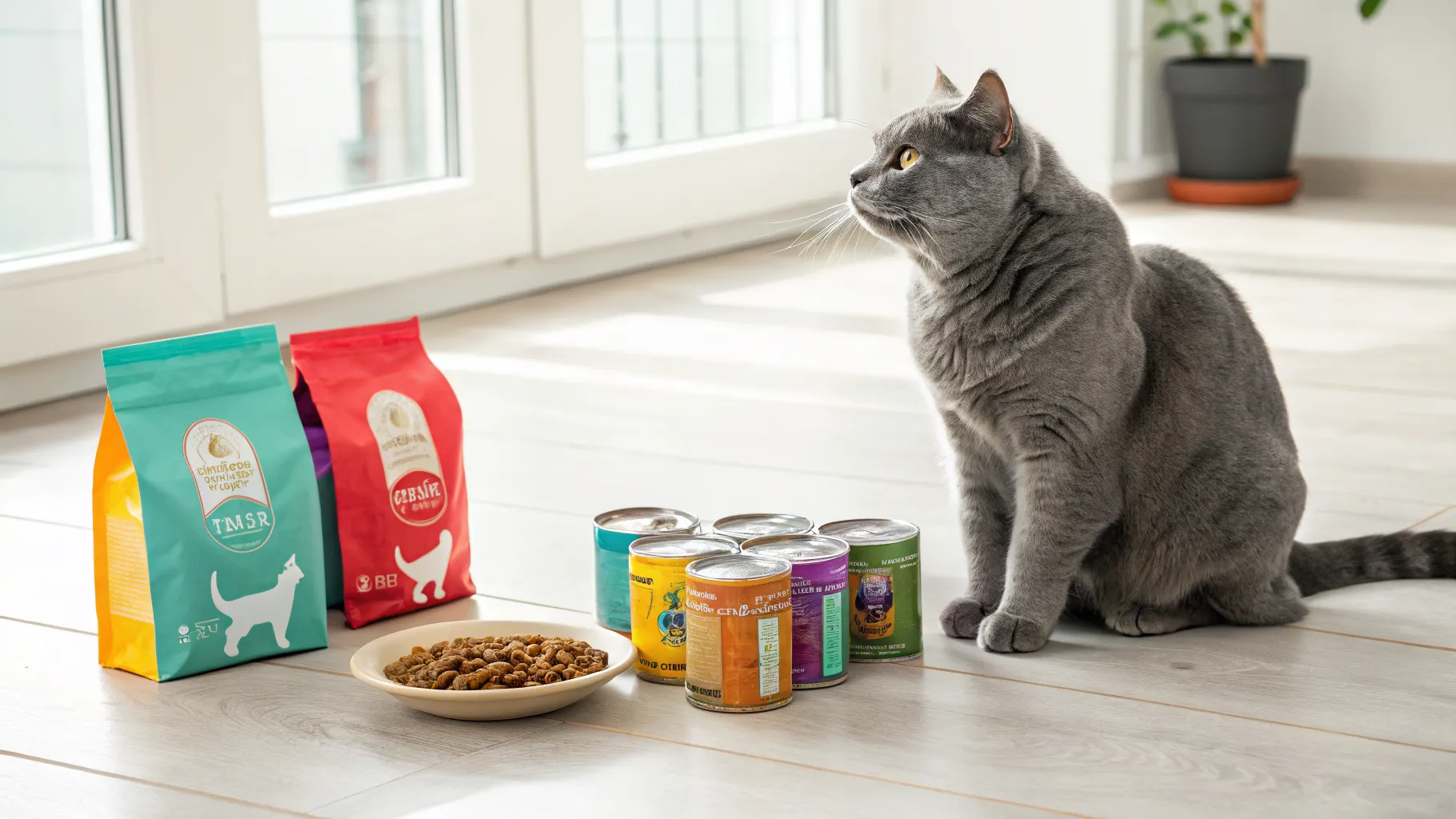
Understanding the Unique Needs of Indoor Cats
The primary difference between indoor and outdoor cats is their activity level. An indoor environment is safer, but it also means less running, climbing, and hunting. This sedentary lifestyle results in lower calorie requirements. If an indoor cat is fed a high-calorie diet designed for more active cats, they can easily become overweight, which can lead to other health issues. Therefore, a food formulated for indoor cats will typically have a lower calorie density to help with weight management.
Another common issue for indoor cats is the formation of hairballs. Cats are meticulous groomers, and in the process, they ingest loose fur. While some hair passes through the digestive system without issue, an accumulation can result in a hairball. Indoor cats may groom more frequently out of boredom, exacerbating the problem. Many indoor cat food formulas include higher levels of fiber to help move ingested hair through the digestive tract smoothly, reducing the frequency of hairballs.
Deciphering Cat Food Labels and Ingredients
The pet food aisle can be confusing, but learning to read the label is the best way to assess a brand's quality. The first thing to look for is a statement from the Association of American Feed Control Officials (AAFCO), which indicates the food is complete and balanced for a cat's specific life stage. Next, check the ingredients list. Ingredients are listed by weight, so the first few items make up the bulk of the food. For cats, who are obligate carnivores, a high-quality animal protein like chicken, turkey, or fish should be the first ingredient.
Beyond the main protein source, it's important to identify beneficial ingredients and those that may be less desirable. Many brands use fillers like corn, wheat, and soy, which offer limited nutritional value for a cat. While not necessarily harmful, a food with animal proteins at the top of the list is generally a better choice. Be mindful of vague terms like 'meat by-products', as the source is not clearly identified. Look for whole food ingredients and avoid artificial colors, flavors, and preservatives when possible.
Wet vs. Dry Food for Indoor Lifestyles
The debate between wet and dry food is ongoing, and both have their merits for indoor cats. Dry food, or kibble, is convenient, often more affordable, and can be left out for cats who prefer to graze throughout the day. Some formulas also have a texture that can help reduce tartar buildup on the teeth. However, the main drawback of dry food is its low moisture content. Cats naturally have a low thirst drive and traditionally get most of their water from their prey.
Wet food, on the other hand, has a much higher moisture content, which is excellent for hydration and supporting urinary tract health, a common concern for cats. It's also often more palatable for picky eaters. The downside is that it is typically more expensive and cannot be left out for long periods. Many owners find a combination of both wet and dry food works well, offering the benefits of each while providing variety for their feline friend.
Key Nutrients in Specialized Indoor Formulas
Beyond calorie control and fiber for hairballs, high-quality indoor cat food brands include specific nutrients to support a less active lifestyle. Look for formulas that contain beneficial supplements to support overall health. Some of these key ingredients include:
- L-Carnitine: This amino acid derivative helps the body convert fat into energy, which can support a lean body mass and healthy metabolism.
- Omega Fatty Acids: Omega-3 and Omega-6 fatty acids, often from fish oil or flaxseed, are crucial for maintaining healthy skin and a shiny coat.
- Antioxidants: Vitamins E and C, along with other antioxidants, help support a strong immune system.
- Controlled Minerals: Proper levels of minerals like magnesium, phosphorus, and calcium are important for maintaining urinary tract health and preventing the formation of crystals or stones.
These specialized ingredients are what often set an indoor formula apart from a standard adult cat food. By addressing the specific health considerations of indoor cats, these formulas provide targeted nutrition that helps them thrive in their environment.
Exploring Different Categories of Cat Food Brands
Cat food brands can generally be sorted into several categories, each with different philosophies, price points, and availability. Understanding these categories can help you narrow down your search. Prescription or veterinary diets are formulated to address specific medical conditions and are only available through a veterinarian. These are often used for issues like urinary health, kidney disease, or food allergies.
Premium and specialty brands are often found in pet specialty stores or online. They typically use high-quality ingredients, focus on specific dietary needs (like grain-free or limited ingredient), and often have a higher price point. Supermarket or grocery store brands are widely available and offer a range of options at a more accessible price. While some offer excellent value, it is still important to read the labels carefully to ensure a quality animal protein is the primary ingredient. Choosing a category often depends on your budget, your cat's specific health needs, and your personal philosophy on pet nutrition.
How to Safely Transition to a New Food
Once you have selected a new food for your indoor cat, it is crucial to transition them gradually. A sudden switch in diet can cause digestive upset, such as vomiting or diarrhea. A slow transition allows your cat's digestive system to adapt to the new ingredients and formula. The process should ideally take place over 7 to 10 days.
A good rule of thumb for making the switch is to mix the new food with the old food in increasing proportions. You can start with a mix of 25% new food and 75% old food for a couple of days. If your cat is handling it well, move to a 50/50 mix for another few days. Following that, increase to 75% new food and 25% old food before finally transitioning completely to 100% of the new diet. Pay close attention to your cat's appetite and stool quality during this period.