Furniture Repair Workshops: Your Ultimate Guide to Restoration
Facts:
- Furniture restoration can increase an item's value by over 500%.
- A growing trend in sustainable living is driving interest in diy furniture repair.
Your Gateway to Sustainable Craftsmanship and Skill Building
Have you ever looked at a beloved, yet worn-out, piece of furniture and wished you could bring it back to life? You're not alone. Many people are turning to furniture repair workshops to gain the hands-on skills needed to transform old items into stunning treasures. These workshops are more than just classes; they are vibrant communities where you can learn furniture repair from experienced artisans, saving money and embracing a sustainable lifestyle. Whether you're a complete novice or looking to refine your techniques, joining one of these repair workshops is the perfect first step in your restoration journey.
What to Expect in Furniture Restoration Classes
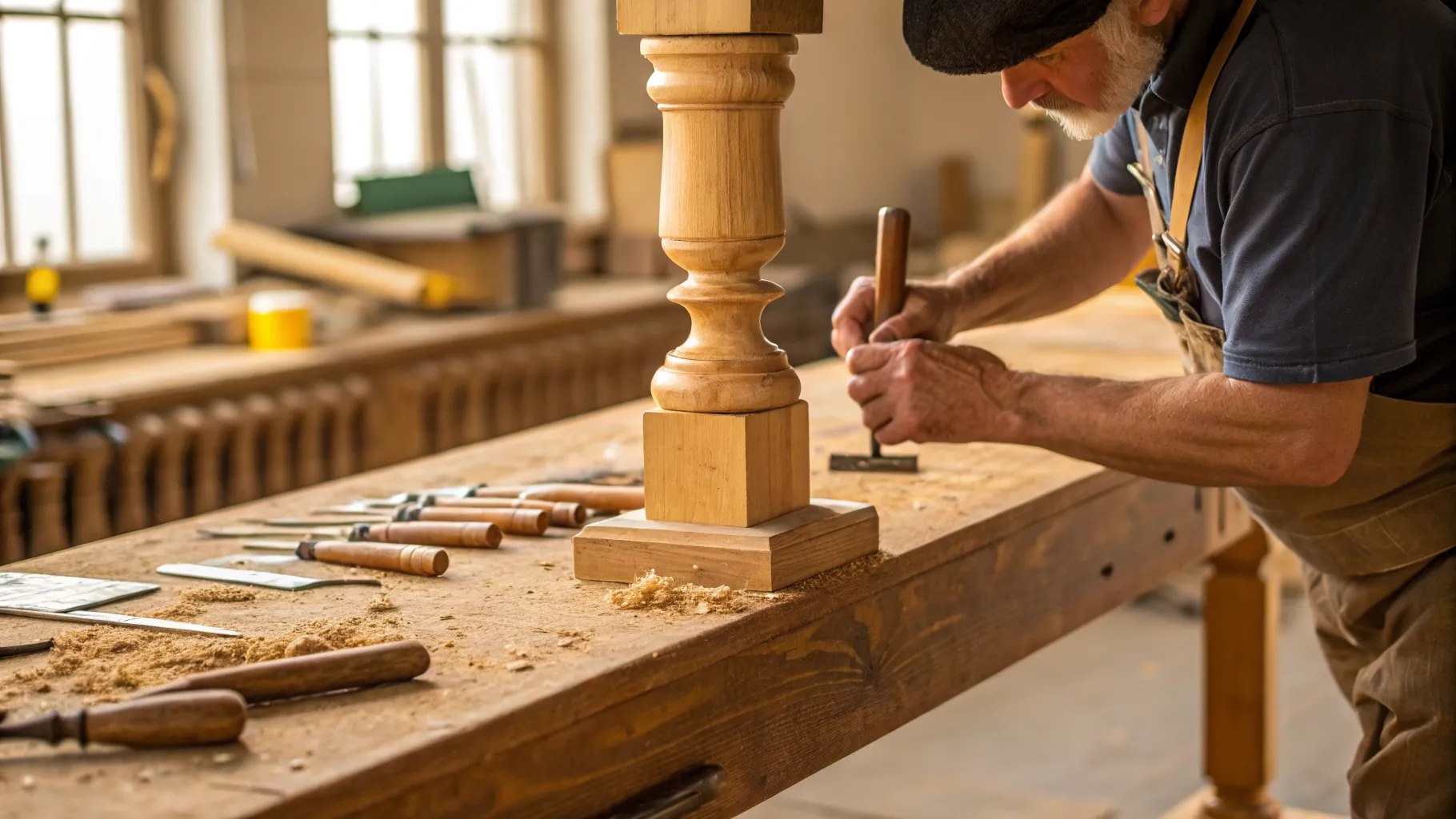
When you enroll in furniture restoration classes, you're stepping into a world of creativity and practical skill. Typically, a course begins with the basics: safety procedures, an introduction to common hand and power tools, and an overview of different wood types and their properties. Instructors guide students through the entire restoration process, starting with assessing a piece of furniture to identify necessary repairs. You'll learn essential techniques such as stripping old finishes, proper sanding methods for a smooth surface, and how to repair structural issues like loose joints or broken legs. These foundational skills are crucial for anyone serious about the craft. The curriculum often progresses to more advanced topics, including color matching, applying stains and varnishes, and even basic upholstery, providing a comprehensive education in the art of furniture renewal.
Choosing the Right DIY Furniture Repair Course for You
With a variety of options available, selecting the perfect workshop is key to a successful learning experience. Consider your current skill level first. Beginner-focused diy furniture repair courses are ideal for those with no prior experience, as they cover the fundamentals in a supportive environment. For those with some knowledge, intermediate or advanced repair workshops might offer specialized training in areas like French polishing, veneer repair, or intricate carving. Think about the type of project you want to tackle. Some furniture repair workshops are project-based, allowing you to bring your own piece to work on under expert guidance. Others are skills-based, where you practice specific techniques on provided materials. Research local artisans, community colleges, and woodworking schools to find a program that aligns with your goals and schedule.
The Tangible Benefits of Hands-On Learning Workshops
While online tutorials offer convenience, nothing compares to the immersive experience of hands-on furniture restoration classes. The immediate feedback from a skilled instructor is invaluable; they can correct your posture, demonstrate a tricky technique up close, and answer your specific questions in real-time. This direct mentorship helps prevent the formation of bad habits and accelerates your learning curve. Furthermore, these repair workshops provide access to a wide range of professional-grade tools and materials that might be too expensive for a hobbyist to purchase outright. The sense of community is another significant benefit. You'll be learning alongside like-minded individuals, sharing challenges, celebrating successes, and building a network of fellow enthusiasts who can support your journey as you learn furniture repair.
Essential Skills You'll Master in Furniture Repair Workshops
Participating in furniture repair workshops equips you with a versatile and valuable set of practical skills. These abilities not only allow you to restore furniture but also apply to various other woodworking and home improvement projects. Here are some of the core competencies you can expect to develop:
- Structural Repair: You will learn how to diagnose and fix common structural problems. This includes techniques for re-gluing wobbly chair legs, reinforcing loose joints using dowels or screws, and fixing broken or split wood components, ensuring the piece is stable and functional.
- Surface Preparation: This is a critical foundation for any restoration. Classes will teach you the proper methods for safely stripping old paint and varnish, the art of sanding with different grits to achieve a flawless surface, and how to fill dents, scratches, and gouges with wood filler for a seamless finish.
- Finishing Techniques: Mastering the final touches is what truly elevates a restored piece. You will learn furniture repair finishing methods such as applying wood stain evenly, brushing or spraying varnish and polyurethane for a durable protective coat, and even specialty finishes like waxing or oiling for a natural look.
- Basic Upholstery: Many comprehensive furniture restoration classes include an introduction to upholstery. This can cover everything from safely removing old fabric and padding to stretching and attaching new material, adding decorative trim, and button tufting for a professional look on chairs and stools.
From Hobby to Profession: Advancing Your Restoration Skills
For many, what starts as a simple diy furniture repair project blossoms into a deep passion, and even a potential career path. Once you have mastered the basics in introductory furniture repair workshops, you can seek out advanced courses to specialize. These might focus on period-specific restoration, complex veneer work, or advanced upholstery. Building a portfolio of your completed projects is essential for showcasing your skills to potential clients. Many successful restorers start by taking on small commissions for friends and family before expanding their business through local advertising, online marketplaces, or partnerships with antique shops. Continuous learning and practice are key, as the world of furniture restoration is rich with endless techniques and styles to master.
Frequently Asked Questions
Do I need to bring my own tools to furniture repair workshops?
Generally, no. Most reputable furniture repair workshops provide all the necessary hand tools, power tools, and safety equipment for participants. However, you should always confirm with the provider beforehand, as some may encourage you to bring your own basic kit if you have one to get comfortable with your own equipment.
How much do furniture restoration classes typically cost?
The cost of furniture restoration classes can vary widely based on duration, location, instructor expertise, and materials included. A weekend workshop might cost a few hundred dollars, while a multi-week comprehensive course could be significantly more. Look for community centers or local woodworking guilds for more affordable options.
Can I really learn furniture repair with no prior experience?
Absolutely. The best repair workshops are designed for all skill levels, especially beginners. Instructors are adept at breaking down complex processes into simple, manageable steps. Starting with a basic course is the perfect way to build a solid foundation and gain the confidence to tackle more challenging diy furniture repair projects in the future.
References
- The Journal of Woodworking & Craftsmanship
- The Institute of Furniture Conservation
- Community Woodshops of North America Annual Report
- Sustainable Home & Living Magazine