The Ultimate Guide to Foods To Avoid For Fatty Liver Disease
Facts:
- Over 25% of the global adult population is affected by NAFLD.
- There is a growing focus on liver health nutrition for preventative care.
Understanding the Critical Link Between Diet and Liver Health
Managing fatty liver disease, whether it's alcohol-related or non-alcoholic (NAFLD), begins in the kitchen. The food choices you make have a direct impact on the amount of fat stored in your liver and the level of inflammation in your body. This guide focuses specifically on the foods to avoid for fatty liver disease, providing a clear roadmap for your dietary adjustments. Engaging in fatty liver diet discussions with your healthcare provider is crucial, but understanding the core principles empowers you to take control. Effective management is one of the most important fatty liver wellness topics, as it can halt or even reverse the condition's progression through strategic changes in liver health nutrition.
The Top 5 Food Categories to Eliminate Immediately
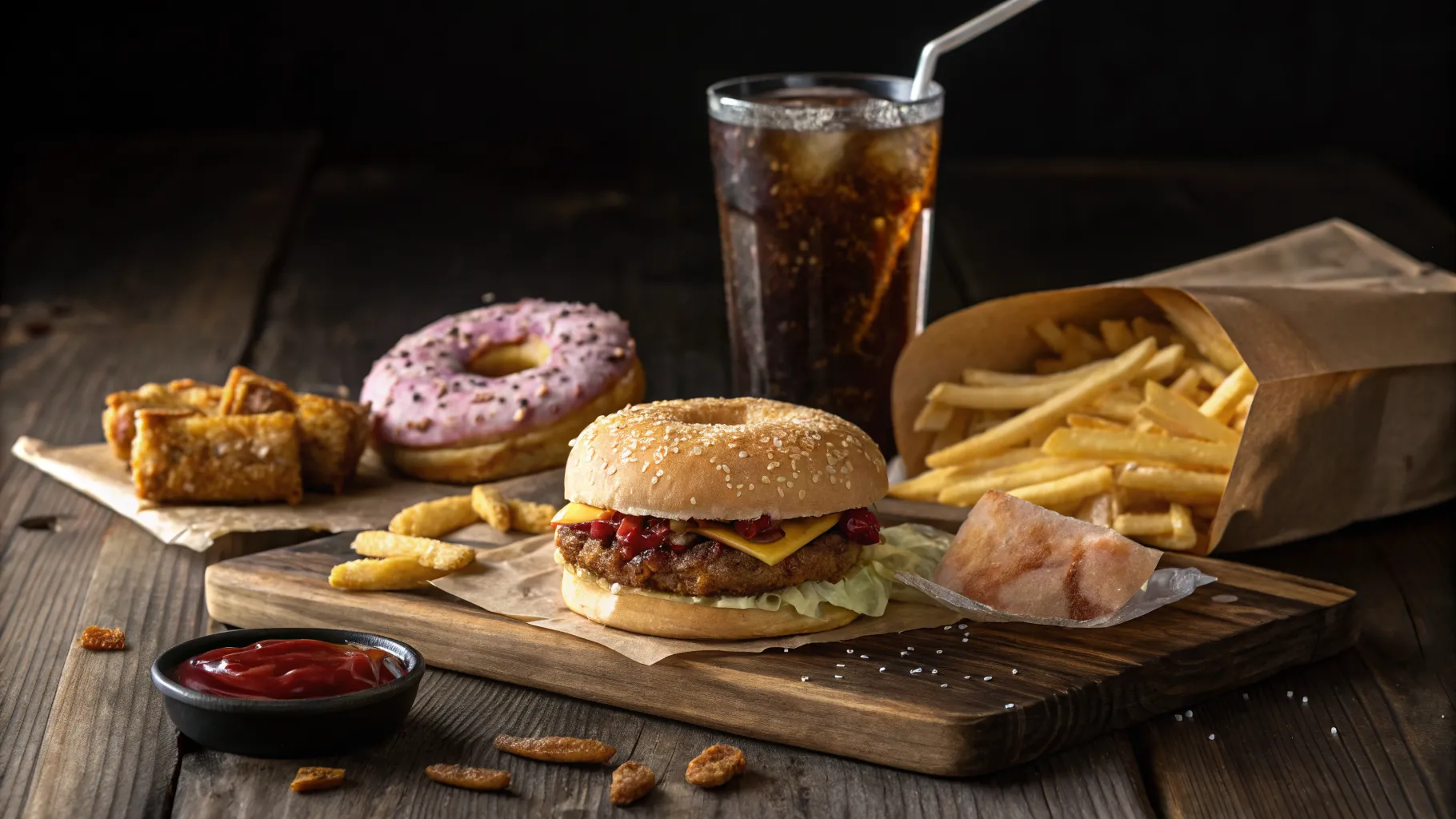
When embarking on a liver-friendly diet, knowing what to remove is just as important as knowing what to add. Certain foods place a significant metabolic burden on the liver, promoting fat storage and inflammation. The following categories are universally recognized in fatty liver diet discussions as detrimental and should be the first to go. These are the primary foods linked to liver health deterioration when consumed in excess.
1. Sugary Foods and Beverages
High-sugar items, especially those containing high-fructose corn syrup, are perhaps the worst offenders. The liver is the primary site for metabolizing fructose. When consumed in large amounts, the liver becomes overwhelmed and converts the excess sugar into fat, a process called de novo lipogenesis. This directly contributes to fat accumulation in liver cells. This includes sodas, sweetened juices, energy drinks, and a vast array of packaged sweets and desserts that are a core part of the discussion on foods to avoid for fatty liver disease.
2. Fried and Fast Foods
Foods that are deep-fried are laden with saturated and trans fats. These fats not only contribute a high number of calories but also promote inflammation throughout the body, including the liver. Regular consumption of fast food is one of the most consistently identified risk factors for NAFLD due to its combination of unhealthy fats, refined carbohydrates, and high sodium content. Improving your liver health nutrition profile means drastically reducing or eliminating these items.
3. Saturated Fats from Red and Processed Meats
While protein is essential, the source matters. Fatty cuts of red meat (like ribs and steak) and processed meats (sausages, bacon, deli meats) are high in saturated fats. A diet rich in these fats is strongly associated with elevated LDL (bad) cholesterol and insulin resistance, both of which are linked to the progression of fatty liver disease. These are key foods linked to liver health problems and are central to many fatty liver wellness topics.
4. Refined Carbohydrates
White bread, white pasta, white rice, and other products made from refined flour have been stripped of their fiber and nutrients. They are digested quickly, causing rapid spikes in blood sugar and insulin. High insulin levels signal the liver to store more fat. Swapping these for whole-grain alternatives is a simple yet powerful step. This is a frequent topic in fatty liver diet discussions for managing blood glucose and liver fat.
5. Alcohol
For alcoholic fatty liver disease, complete abstinence is necessary. For non-alcoholic fatty liver disease (NAFLD), alcohol can still be harmful. The liver must work hard to process alcohol, which generates harmful byproducts that can damage liver cells, promote inflammation, and worsen existing liver conditions. Limiting or avoiding alcohol is a critical component of any plan focused on liver health nutrition.
Actionable Strategies for a Liver-Friendly Diet
Beyond simply listing the foods to avoid for fatty liver disease, it's essential to adopt practical strategies that support long-term success. The goal is to build a sustainable eating pattern that nourishes your body and protects your liver. This involves focusing on whole, unprocessed foods and developing healthy habits.
- Prioritize a Plant-Forward Plate: Fill your plate with vegetables, fruits, legumes, and whole grains. These foods are rich in fiber, vitamins, minerals, and antioxidants that help reduce inflammation and improve insulin sensitivity. The Mediterranean diet is often recommended in fatty liver diet discussions for this reason.
- Choose Lean Protein Sources: Opt for fish (especially fatty fish like salmon for its omega-3s), poultry without the skin, beans, lentils, and tofu. These provide the necessary protein for bodily functions without the high saturated fat content of red and processed meats.
- Embrace Healthy Fats: Not all fats are bad. Monounsaturated and polyunsaturated fats found in avocados, olive oil, nuts, and seeds can help reduce inflammation and improve cholesterol levels. This is a key nuance in understanding liver health nutrition.
- Hydrate with Water: Replace sugary drinks with water. Staying hydrated is crucial for overall health and helps the liver perform its detoxification functions efficiently. It's one of the simplest yet most effective fatty liver wellness topics.
Navigating the Grocery Store and Reading Labels
Successfully avoiding harmful foods requires vigilance at the grocery store. Food marketing can be deceptive, so learning to read and understand nutrition labels is a vital skill. Pay close attention to 'Added Sugars,' aiming for as little as possible. Check for saturated and trans fats, and be wary of products with long lists of chemical-sounding ingredients. This proactive approach ensures the foods linked to liver health that you bring home are beneficial, not harmful.
Frequently Asked Questions
Can you reverse fatty liver disease with diet alone?
For many individuals with NAFLD, significant lifestyle changes, especially diet and exercise, can reverse the condition. By consistently avoiding the foods to avoid for fatty liver disease and adopting a healthier eating pattern, you can reduce liver fat, inflammation, and scarring. However, it's crucial to consult a healthcare professional for a personalized plan.
How long does it take to see an improvement in liver enzymes?
With consistent dietary changes and increased physical activity, many people can see an improvement in their liver enzyme tests within a few months. The exact timeline varies based on the individual's starting condition, the degree of dietary adherence, and other lifestyle factors. Positive trends are a key part of fatty liver diet discussions with your doctor.
Are all fruits bad for fatty liver because of the sugar?
This is a common misconception. While fruit contains fructose, whole fruits also contain fiber, water, vitamins, and antioxidants. The fiber slows the absorption of sugar, preventing the rapid spikes that overwhelm the liver. It's fruit juices and added fructose in processed foods that are the primary concern in liver health nutrition, not whole fruits in moderation.
References
- Clinical Gastroenterology and Hepatology on Dietary Patterns.
- American Liver Foundation Guidelines for NAFLD.
- The New England Journal of Medicine studies on diet and liver fat.
- World Journal of Gastroenterology on lifestyle intervention.