Master Your Home: A Complete Guide to DIY Home Projects Classes
Facts:
- DIY home improvement is a multi-billion dollar industry.
- A rising trend in hands-on learning fuels demand for diy workshops.
Why DIY Home Projects Classes Are Your Best Investment
Embarking on a home renovation journey can be daunting, but with the right guidance, it's incredibly rewarding. Enrolling in DIY home projects classes provides you with the structured knowledge and hands-on experience needed to transform your living space confidently. These courses demystify complex tasks, from plumbing basics to intricate woodworking, ensuring you have the skills to succeed. Instead of relying on costly professionals, you can learn diy skills that will serve you for a lifetime, adding both value to your home and a deep sense of accomplishment.
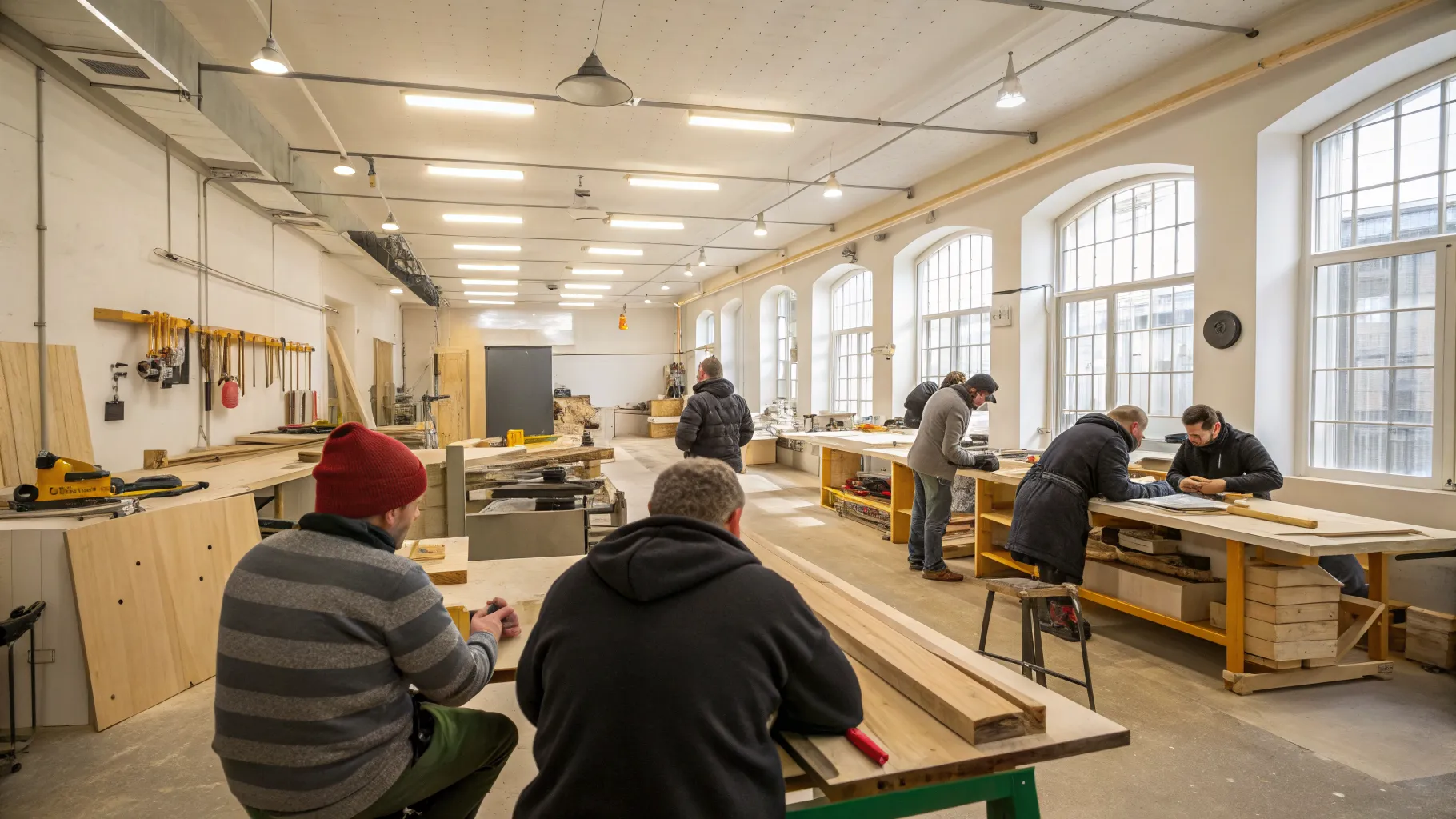
Choosing the Right Type of DIY Workshop for You
The world of DIY education is vast, and finding the perfect fit is crucial for your success. The options range from intensive weekend diy workshops at local hardware stores or community centers to comprehensive semester-long courses at technical colleges. Online platforms also offer a wealth of home project classes, providing flexibility for those with busy schedules. When choosing, consider your learning style. Do you thrive with hands-on, in-person guidance, or do you prefer the self-paced nature of digital learning? Assess the curriculum to ensure it covers the specific projects you're interested in, whether it's building a deck, tiling a bathroom, or basic electrical work. A quality diy training program will offer a clear syllabus and access to experienced instructors.
Essential Skills You'll Master in DIY Training
A comprehensive curriculum in DIY home projects classes is designed to build a strong foundation of practical skills. You'll move beyond theory and get your hands dirty, mastering the techniques that professionals use. These courses are structured to build confidence with each lesson. You will not only learn diy skills, but you will also learn about safety, material selection, and project planning. Core competencies typically include:
- Tool Proficiency and Safety: Learn the correct way to operate hand tools and power tools, from saws and drills to sanders and nail guns, with a strong emphasis on safety protocols to prevent accidents.
- Basic Carpentry: Understand how to measure, cut, and join wood. This skill is the foundation for countless projects, including framing walls, building shelves, and installing trim.
- Plumbing Fundamentals: Tackle common issues like fixing leaky faucets, unclogging drains, and even installing new fixtures. This knowledge alone can save you hundreds in plumber fees.
- Electrical Basics: Gain the confidence to safely replace light fixtures, install dimmer switches, and understand the fundamentals of your home's electrical circuits.
Online vs. In-Person Home Project Classes: A Detailed Comparison
Deciding between virtual and physical learning environments is a key step. In-person diy workshops offer the invaluable benefit of immediate, hands-on feedback from an instructor. You can ask questions in real-time and get physical corrections on your technique, which is critical for learning skills like soldering or precise cutting. The collaborative environment also allows you to learn from peers. Conversely, online DIY home projects classes provide unparalleled flexibility. You can learn at your own pace, rewind videos to review complex steps, and access a wider variety of specialized courses. This format is ideal for those balancing work, family, and their desire to learn diy skills. The best choice depends entirely on your personal schedule, budget, and how you learn most effectively.
Maximizing Your Learning Experience
To get the most out of any home project classes you take, active participation is key. Don't just attend; engage with the material and the instructor. Here are some actionable tips to ensure your investment in diy training pays off:
- Arrive Prepared: Before each class, review any provided materials. Having a basic understanding of the day's topic allows you to ask more insightful questions.
- Ask Specific Questions: Don't be shy. If you don't understand a concept or a technique, ask for clarification. Chances are, someone else has the same question.
- Practice Outside of Class: The skills you learn need reinforcement. Apply what you've learned to small projects at home to solidify your knowledge and build muscle memory.
- Network with Classmates: Connect with other DIY enthusiasts. You can share tips, troubleshoot problems together, and even collaborate on future projects.
Frequently Asked Questions
Do I need any prior experience to join DIY home projects classes?
Absolutely not. Most introductory DIY home projects classes are designed for complete beginners. They start with the very basics, such as tool safety and fundamental techniques, and gradually build up to more complex projects. Always check the course description for any prerequisites, but you'll find that most are welcoming to novices.
What tools do I need for most diy workshops?
This varies by course. Many in-person diy workshops provide all the necessary tools and materials as part of the fee. For online courses, you will typically receive a list of required tools beforehand. It's often best to start with a basic toolkit and purchase more specialized tools as you decide which types of projects you enjoy most.
How can I find reputable home project classes near me?
Start by checking with local hardware stores, community colleges, and vocational schools, as they frequently offer home project classes. You can also search online for local maker spaces or woodworking guilds. Reading reviews and asking for recommendations in local community forums can also lead you to high-quality diy training programs.
References
- Home Improvement Research Institute Annual Reports
- Consumer Surveys on DIY Trends and Education
- National Center for Construction Education and Research Guidelines
- Curriculum standards from leading vocational and technical colleges