Cruises Along the Thames for Retirees: A Complete Sightseeing Guide
Facts:
- The River Thames is the longest river entirely within England.
- Leisurely sightseeing cruises are a growing travel trend for retirees.
Discovering London's Charm: Why Thames Cruises Are Perfect for Retirees
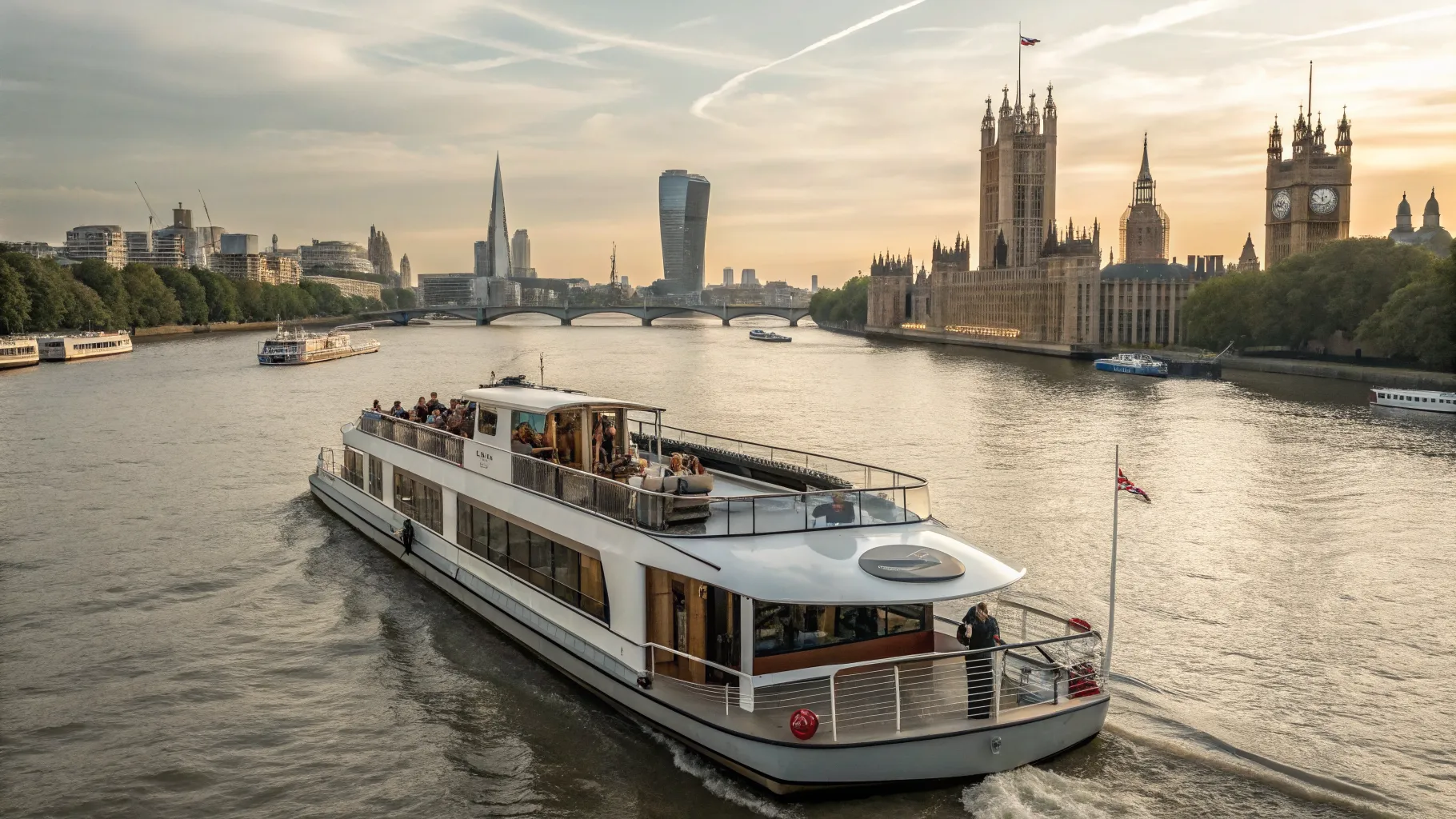
Embarking on a journey through the heart of London offers a unique perspective on its rich history and vibrant present. For those seeking a relaxed yet captivating experience, nothing compares to the gentle pace of cruises along the Thames for retirees. These specially curated voyages provide unparalleled comfort, accessibility, and stunning views of iconic landmarks, making them an ideal choice for a memorable outing. This comprehensive thames sightseeing cruise guide will navigate you through the best options, ensuring your adventure is both seamless and spectacular, offering one of the finest london cruise travel ideas available.
Choosing the Best Thames River Cruises for Your Needs
Selecting the right cruise is the first step towards a perfect day on the water. The variety of thames river cruises can seem daunting, but they generally fall into a few categories tailored to different preferences. For retirees, comfort and convenience are paramount. Consider hop-on-hop-off services, which offer flexibility to explore riverside attractions at your own pace. These are excellent for those who want to combine a relaxing boat trip with visits to places like the Tower of London or Greenwich. Alternatively, circular cruises provide a continuous journey with expert commentary, perfect for those who prefer to soak in all the sights without disembarking. Many companies specialize in retiree london river cruises, featuring vessels with enclosed, heated saloons, open-air upper decks, and accessible facilities, ensuring a comfortable experience regardless of the weather. Always check the duration, route, and onboard amenities before booking to find the perfect match for your itinerary.
Top Sights to See from the Water
A cruise along the Thames is a floating parade of London's most famous landmarks. The perspective from the river is unique, offering unobstructed photo opportunities you can't get from the bustling streets. Here are some of the must-see sights on your journey.
The Houses of Parliament & Big Ben
Gliding past the majestic Palace of Westminster is a quintessential London experience. You'll get a fantastic view of the intricate Gothic architecture and the world-famous Elizabeth Tower, colloquially known as Big Ben. The audio guides on most thames river cruises provide fascinating historical context about this political heart of the UK.
The London Eye
Seeing this giant cantilevered observation wheel from the water highlights its incredible scale. As you pass, you'll see the passenger pods slowly ascending, offering a parallel panoramic experience. It's one of the most popular modern landmarks and a highlight of any thames sightseeing cruise guide.
Tower of London & Tower Bridge
Perhaps the most iconic duo on the river, the historic Tower of London and the magnificent Tower Bridge are breathtaking from a vessel. Your cruise will pass directly under the bridge, providing a dramatic and memorable moment. This part of the journey is rich with history, from royal intrigue to masterful engineering, all explained by your cruise's commentary.
Accessibility and Comfort on Retiree London River Cruises
Modern river cruise operators understand the importance of accessibility. When planning retiree london river cruises, it's essential to check with the provider about specific facilities. Most reputable companies operate modern fleets where many vessels offer step-free access from the pier to the boat and have accessible toilets. Seating is generally designed for comfort, with both indoor and outdoor options to suit your preference. Onboard cafes serving refreshments like tea, coffee, and light snacks are standard, allowing you to relax without needing to pack your own provisions. Live or recorded audio commentary is available in multiple languages, ensuring you don't miss any details about the incredible sights you're passing. These features make cruises along the Thames for retirees a stress-free and highly enjoyable activity.
Actionable London Cruise Travel Ideas
To make the most of your river adventure, a little planning goes a long way. These london cruise travel ideas will help you create a seamless experience.
- Book in Advance: Especially during peak season (spring and summer), it's wise to book your tickets online. This not only secures your spot but can often save you money compared to buying at the pier.
- Choose the Right Time: A mid-morning or early afternoon cruise often provides the best light for photography. An evening cruise, however, offers the magical sight of London's landmarks illuminated against the night sky.
- Check the Weather: London's weather is famously unpredictable. Dress in layers and bring a light waterproof jacket, even on a sunny day. Most boats have covered areas, so a little rain won't spoil the view.
- Combine with Other Attractions: Many cruise tickets offer bundles with other top attractions like the Tower of London or the London Eye. This can be a cost-effective way to plan a full day of sightseeing.
- Know Your Piers: Familiarize yourself with the departure and arrival piers (e.g., Westminster, Embankment, Tower Pier). They are all well-connected by public transport, making them easy to get to.
Comparing Dining Cruises vs. Sightseeing Tours
For a more elevated experience, you might consider a dining cruise. These differ from standard sightseeing tours by including a meal, such as afternoon tea, lunch, or a multi-course dinner. An afternoon tea cruise is a delightful way to embrace a British tradition while enjoying the scenery, making it one of the most popular cruises along the Thames for retirees. These are typically more relaxed and last longer than a standard tour. A dinner cruise offers a touch of elegance, often with live music and dancing, providing a complete evening's entertainment. In contrast, a standard sightseeing cruise is shorter, more focused on the commentary, and more flexible for a busy itinerary. The choice depends on your budget, schedule, and whether you want a simple tour or an all-inclusive experience.
Frequently Asked Questions
How long do typical thames river cruises last?
Standard sightseeing cruises usually last between 45 minutes to 1.5 hours for a one-way or round trip journey through central London. Hop-on-hop-off tickets are valid for 24 hours, allowing for more extensive exploration.
Are cruises along the Thames for retirees wheelchair accessible?
Many modern riverboats are wheelchair accessible, but not all. It is crucial to check with the specific cruise operator before booking to confirm their facilities and any restrictions at the piers.
What is the best time of year for a retiree london river cruise?
Late spring (May-June) and early autumn (September-October) are ideal. The weather is generally pleasant, and the crowds are smaller than in the peak summer months of July and August. However, cruises operate year-round, with heated indoor cabins for colder days.
Can I buy food and drink on board?
Yes, almost all sightseeing boats have a bar or cafe on board selling a range of drinks, snacks, and sometimes light meals. Dining cruises, of course, include a full meal service in the ticket price.
References
- Official Port of London Authority tourism reports.
- Visit London's guide to river travel and transport.
- Accessibility guides from major Thames cruise line operators.