A Practical Guide to Home Repair Classes
For many homeowners, the idea of fixing a leaky faucet or patching a hole in the wall can be daunting. Home repair classes offer a structured, safe environment to learn essential maintenance skills, empowering you to tackle projects with confidence. Whether you're a complete novice or just want to expand your DIY capabilities, there's likely a class designed to meet your needs.
Why Take a Home Repair Class?
One of the most significant benefits of taking a home repair class is the potential for cost savings. Hiring professionals for minor repairs can add up quickly. By learning to handle simple tasks yourself, such as fixing a running toilet or replacing a light fixture, you can reduce your reliance on service calls and save money over the long term. Beyond the financial advantages, there is a deep sense of satisfaction that comes from successfully completing a project and improving your own living space.
These classes also build confidence and knowledge. They teach you not only how to perform a repair but also how the systems in your home work. This understanding helps you troubleshoot problems more effectively and, just as importantly, recognize when a job is too complex or dangerous to handle on your own. A good course will always emphasize safety, helping you avoid common pitfalls that could lead to injury or more significant damage to your home.
Common Types of Home Repair Classes
Home repair education covers a wide spectrum of topics, from general overviews to highly specific skills. Introductory courses are perfect for beginners, often covering a little bit of everything. More specialized classes allow you to dive deeper into a particular area of interest or need. The goal is to provide foundational knowledge you can build upon with practice.
- Basic Home Maintenance: These courses often cover essentials like patching drywall, caulking tubs and windows, fixing sticky doors, and identifying the main water and electrical shutoffs.
- Plumbing Fundamentals: Learn how to fix leaky faucets, unclog drains, replace a showerhead, and understand the basics of your home's plumbing system.
- Electrical Basics: These classes focus on safety and simple tasks like replacing an outlet or switch, installing a ceiling fan, and understanding how circuits work.
- Introduction to Carpentry: Get comfortable with hand and power tools while learning to make precise cuts, join wood, and complete simple projects like building a shelf or a small box.
- Drywall and Painting: Master the art of achieving a smooth finish by learning how to properly patch holes, tape seams, and apply paint like a professional.
Where Can You Find These Classes?
Finding a home repair class is often easier than you might think, with options available in most communities. Many large home improvement retail chains offer free or low-cost introductory workshops on weekends. These are great for learning a specific skill, like how to install a tile backsplash or lay laminate flooring. They provide a taste of the work involved without a significant time or financial commitment.
For more in-depth instruction, consider other local resources. Community colleges and adult education programs frequently offer multi-week courses that provide a comprehensive overview of home maintenance. You can also check with local trade schools, woodworking guilds, or community 'maker spaces', which often host workshops led by experienced craftspeople. Finally, online platforms have a vast library of video courses, offering the flexibility to learn at your own pace from the comfort of your home.
What to Expect During a Class
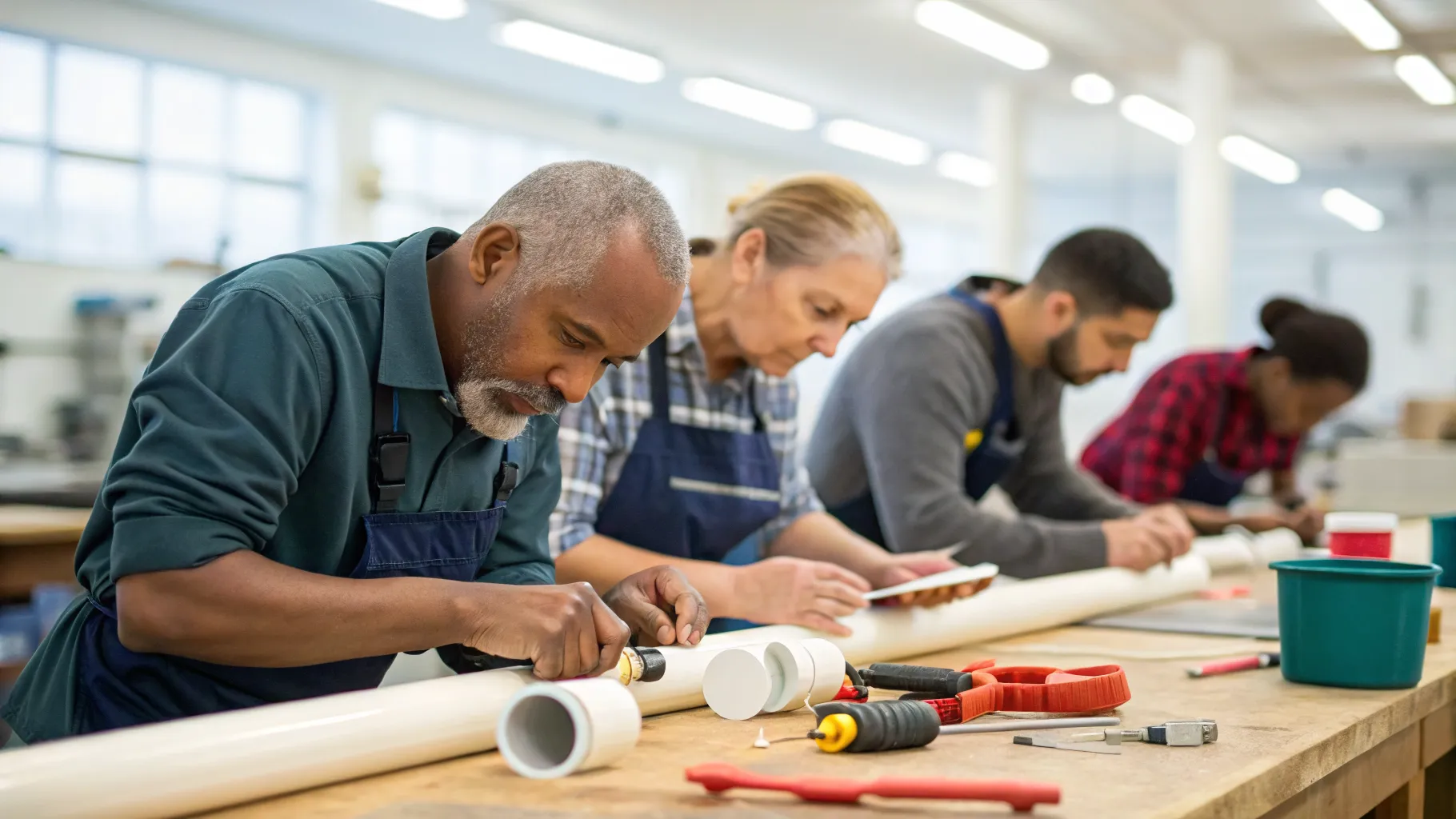
Most in-person home repair classes are designed to be hands-on. While there will be some lecture-style instruction and demonstration from the teacher, the primary focus is on doing. You'll likely work at your own station with tools and materials, practicing the techniques as they are explained. This active learning approach is crucial for building muscle memory and true understanding.
The environment is typically supportive and geared toward beginners, so there's no need to feel intimidated if you've never picked up a power tool before. Instructors are there to guide you, answer questions, and ensure you're working safely. In many cases, all necessary tools and materials are provided, though some courses may require you to bring your own safety glasses or purchase a small kit.
Choosing the Right Class for Your Needs
With various options available, it's important to select a class that aligns with your goals and current skill level. Start by honestly assessing what you already know. If you're a complete beginner, a general home maintenance course is an excellent starting point. If you have a specific project in mind, like remodeling a bathroom, look for classes focused on tiling or plumbing to gain the exact skills you'll need.
Before signing up, do a little research. Look for reviews or testimonials from past students. Check the instructor's background and experience; a seasoned professional can offer valuable real-world insights. Also, consider the class size. Smaller classes often allow for more one-on-one attention from the instructor, which can be particularly helpful when you're learning a new hands-on skill.
The Importance of Safety Instruction
A fundamental component of any reputable home repair class is a strong emphasis on safety. Working with tools, electricity, and plumbing carries inherent risks, and a good instructor will dedicate significant time to teaching you how to mitigate them. This includes learning the correct way to handle power tools, understanding when and how to shut off electricity or water, and recognizing potential hazards.
You will also learn about the importance of Personal Protective Equipment (PPE). This includes wearing safety glasses to protect your eyes, using gloves to prevent cuts, and employing hearing protection when working with loud machinery. Understanding and respecting the safety protocols is the most important lesson you can take away, as it ensures your DIY journey is both productive and free from injury.