A Homeowner's Guide to Tankless Water Heater Installation Costs
Switching from a traditional tank water heater to a tankless model can be an appealing upgrade for many homeowners. These on-demand systems offer endless hot water and potential energy savings. However, the upfront installation cost can be significantly higher than a standard tank replacement. Understanding the components of this cost is key to making an informed decision.
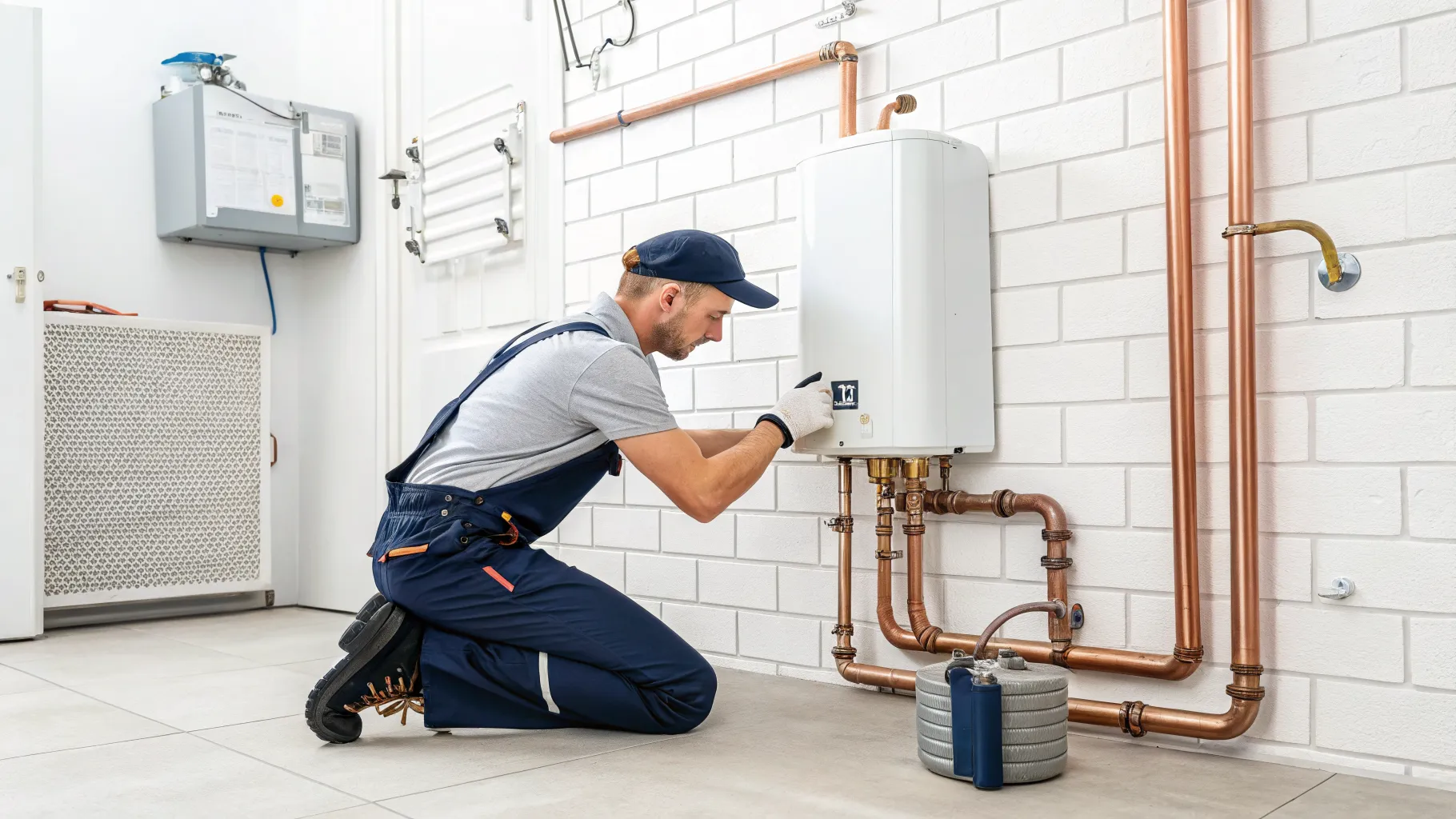
Breaking Down the Core Cost Components
The total price for installing a tankless water heater is a combination of the unit itself and the labor required to install it. Several variables can cause this price to fluctuate significantly. The most influential factors include the type of heater (gas or electric), the complexity of the installation, and any required upgrades to your home's existing plumbing, gas, or electrical systems.
Geographic location also plays a major role, as labor rates and permit fees can vary widely from one area to another. A simple replacement of an old tankless unit will be far less expensive than a new installation in a home that has only ever had a traditional tank heater, which requires more extensive modifications.
Gas vs. Electric: Installation Cost Differences
The choice between a natural gas or electric tankless water heater has a major impact on installation costs. Gas models often have a higher upfront price for the unit and typically require more complex installation. This is because they need specialized venting to safely exhaust combustion gases, which may involve running new pipes through a wall or roof. Additionally, the existing gas line may need to be upsized to meet the higher demand of the tankless unit.
Electric models, while sometimes less expensive for the unit, can come with their own set of installation challenges. These units have a high power draw and almost always require a dedicated, high-amperage circuit. If your home's electrical panel is old or at capacity, a costly panel upgrade may be necessary to accommodate the new heater, significantly adding to the overall project expense.
The Price of the Unit Itself
The cost of the tankless water heater can range from a few hundred to several thousand dollars. This price variation is based on several key characteristics. The brand and its reputation for reliability is one factor. Another major driver is the unit's capacity, which is measured in gallons per minute (GPM). A larger home with multiple bathrooms will require a unit with a higher GPM flow rate to supply hot water to several fixtures simultaneously, and these units cost more.
Energy efficiency also affects the price tag. Models with higher efficiency ratings, such as condensing gas units, often have a higher purchase price but can offer long-term savings on utility bills. It's important to select a unit that is properly sized for your household's needs to ensure satisfactory performance without overspending on an unnecessarily large model.
Labor, Permits, and Professional Installation
Labor is a substantial part of the total installation cost. Installing a tankless water heater is not typically a DIY project, as it involves complex plumbing, electrical, and potentially gas line work. Hiring a licensed and insured plumber or HVAC technician is highly recommended for safety and to ensure the unit operates correctly. Labor rates can be charged hourly or as a flat fee for the entire project.
Before work begins, a permit from your local municipality may be required. This ensures the installation complies with local building and safety codes. The cost of the permit adds to the total expense. When gathering quotes from professionals, be sure to ask if the cost of permitting is included in their estimate to avoid surprises.
Required Modifications to Your Home
Switching from a tank to a tankless system often requires modifications that contribute to the cost. If you're installing a gas unit where a tank heater was, new venting must be installed. This could mean drilling through an exterior wall or running a pipe through the roof. Water lines will also need to be rerouted to connect to the new unit's location and configuration.
Other potential modifications include:
Gas Line Upgrades: Tankless gas heaters require a larger volume of gas, often necessitating a larger diameter gas pipe running to the unit.
Electrical Work: As mentioned, electric units often need new, heavy-gauge wiring and a dedicated circuit breaker. Even gas models require a standard electrical outlet for their electronic controls.
Water Softener: In areas with hard water, manufacturers may recommend installing a water softener to prevent scale buildup, which can damage the unit and reduce efficiency. This is an additional appliance with its own installation costs.
Additional and Unexpected Expenses
Beyond the primary costs, homeowners should budget for potential secondary expenses. The removal and disposal of your old water heater may incur a separate fee from the installer. If the installation requires cutting into drywall to run new pipes or wires, you will also have to account for the cost of repairing and repainting the wall.
Finally, consider the long-term maintenance. While reliable, tankless water heaters require periodic servicing, such as flushing the system to remove mineral deposits, especially in areas with hard water. Factoring in these future maintenance costs gives you a more complete picture of the total cost of ownership over the life of the unit.