A Guide to Residential Home Elevator Options and Costs
Installing an elevator in a private residence is becoming an increasingly popular option for enhancing accessibility and convenience. Whether for aging in place, accommodating mobility challenges, or simply adding a touch of luxury, a home elevator can be a transformative addition. Understanding the available types, installation requirements, and the factors that drive costs is the first step in making an informed decision.
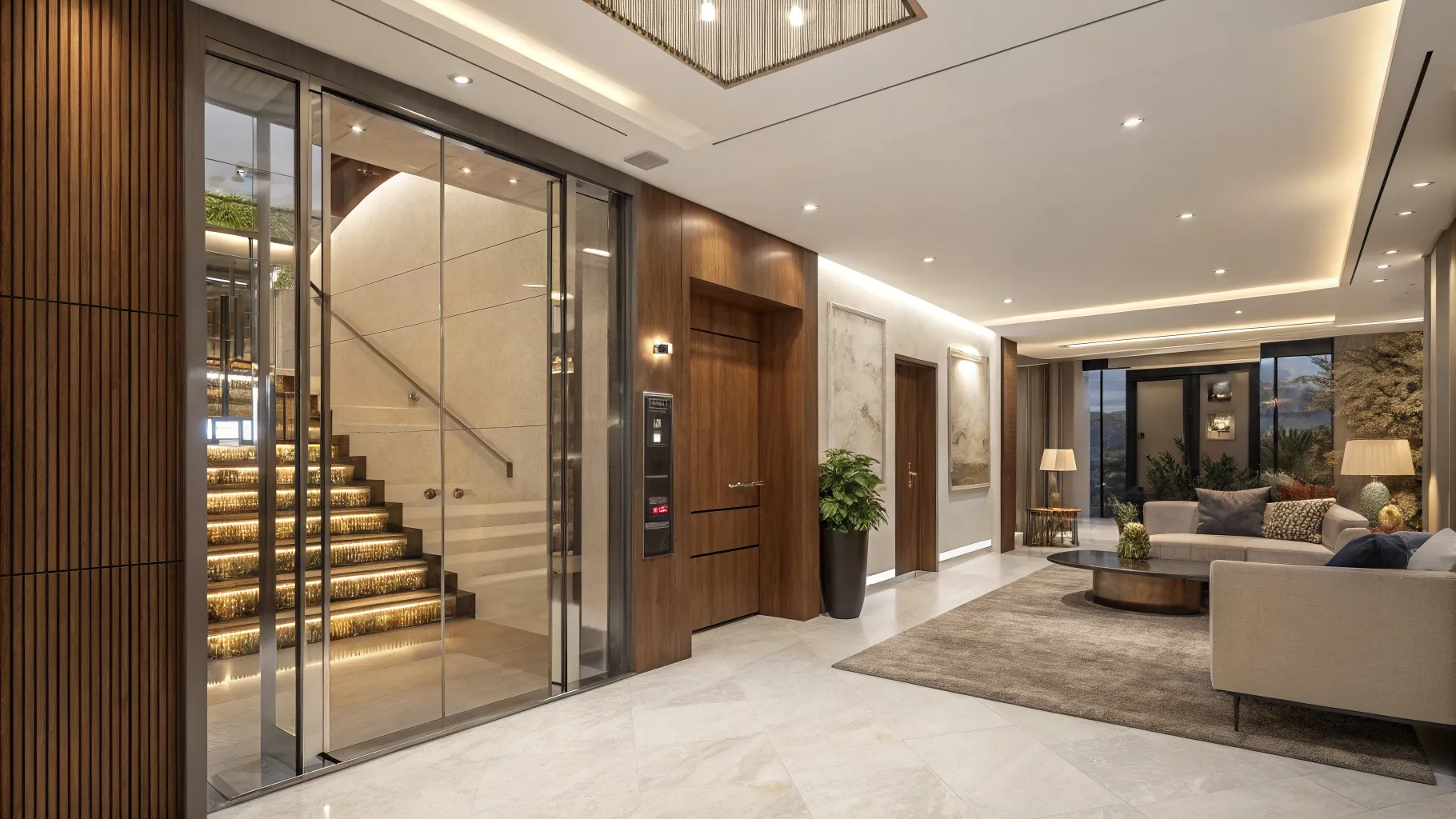
Understanding the Main Types of Home Elevators
When you begin exploring residential elevators, you will find several core technologies, each with distinct advantages and requirements. The most common types include hydraulic, traction, pneumatic, and shaftless elevators. The choice often depends on the home's structure, available space, desired aesthetic, and budget. For example, hydraulic systems are known for their power and smooth ride but typically require a separate machine room to house the pump and controller.
In contrast, traction elevators, particularly machine-room-less (MRL) models, use a counterweight system and can be more energy-efficient and compact. Pneumatic vacuum elevators offer a futuristic look with a clear tube, using air pressure to move the cab, and often require minimal construction. Shaftless models are designed for traveling between two floors and are some of the easiest to retrofit into an existing home, as they don't require a traditional hoistway.
Key Factors Influencing Home Elevator Costs
The final price of a residential elevator is determined by a wide range of variables beyond the unit itself. It is a combination of the equipment, the home's specific layout, and the labor required for a safe and compliant installation. Homeowners should anticipate costs for construction and site preparation, which can sometimes be as much as the elevator equipment.
Several primary factors will impact the total investment. These include:
- Elevator Drive System: Hydraulic, traction, and pneumatic systems all have different price points and installation needs.
- Number of Floors: The more floors the elevator serves, the higher the cost for materials and labor.
- Cab Size and Finishes: The size of the elevator car, along with the materials chosen for walls, flooring, and fixtures, significantly affects the price. Custom wood panels, glass walls, and premium lighting will increase the cost.
- Construction Requirements: The need to build a new shaft (hoistway), dig a pit, or create a machine room will add substantial costs to the project.
- Local Labor and Permits: Installation costs vary by region, and you must also factor in the price of necessary building permits and inspections.
Hydraulic Elevators: The Traditional Choice
Hydraulic elevators are a long-standing and reliable technology. They operate using a pump that pushes hydraulic fluid into a piston, which smoothly lifts the elevator cab. This system is known for its ability to handle heavy loads, making it a good choice for larger cabs or for those who need to transport heavy mobility equipment. The ride is often exceptionally smooth and quiet.
However, there are considerations with hydraulic models. They traditionally require a pit at the bottom of the shaft and a dedicated machine room nearby to house the pump and control equipment. While newer designs have become more compact, this space requirement can be a challenge in some existing homes. They also use hydraulic oil, which needs to be managed properly over the elevator's lifespan.
Traction and Machine-Room-Less (MRL) Elevators
Traction elevators operate using a system of steel ropes or belts and a counterweight. As the cab goes up, the counterweight goes down, which reduces the amount of energy needed to move the elevator. This makes them one of the most energy-efficient options available for residential use. They provide a very smooth and comfortable ride experience.
The most significant innovation in this category is the machine-room-less (MRL) design. In an MRL elevator, the compact motor is placed directly within the hoistway, eliminating the need for a separate machine room. This saves a considerable amount of space, making it a popular choice for modern homes and retrofits where extra room is not available. Their efficient design often results in lower long-term energy consumption.
Pneumatic and Shaftless Elevators: Modern Solutions
Pneumatic vacuum elevators (PVEs) represent a modern approach to vertical transport. These elevators consist of a transparent tube, and the cab is moved by precisely controlling air pressure above and below it. They do not require a pit or a machine room, and their self-contained structure makes installation relatively fast and minimally disruptive. Their panoramic design is also a major aesthetic draw for contemporary homes.
For homeowners needing a solution for just two levels, a shaftless elevator is an excellent and often more affordable option. These compact elevators travel on a self-contained track system through a simple cutout in the floor. Because they do not require the construction of a full hoistway, the installation process is much simpler and less expensive. They are designed to blend discreetly into the room when not in use.
Planning for Installation and Long-Term Maintenance
Proper installation is critical for the safety and functionality of a home elevator. This process should always be handled by a licensed and experienced elevator contractor. The process typically begins with an in-home consultation to assess the structure, determine the best location, and discuss options. The contractor will handle the necessary permits and ensure the installation complies with all local and national safety codes.
Beyond the initial purchase and installation, homeowners must also budget for long-term maintenance. All home elevators require regular professional servicing to ensure they remain safe and operate correctly. The frequency and cost of this maintenance can vary depending on the type of elevator and the amount of use it gets. Factoring in an annual service plan is a crucial part of responsible elevator ownership that protects your investment and ensures peace of mind.