A Guide to Attic Insulation Upgrades: Costs and Options
An often-overlooked area of the home, the attic plays a crucial role in regulating indoor temperature and energy consumption. Proper insulation acts as a thermal barrier, keeping your home warmer in the winter and cooler in the summer. If your home is older or you've noticed rising energy bills, an attic insulation upgrade might be a worthwhile consideration.
Why Upgrade Your Attic Insulation?
The primary benefit of a well-insulated attic is improved energy efficiency. Heat naturally rises, and in winter, a poorly insulated attic allows that expensive warm air to escape. In summer, the sun beats down on the roof, transferring heat into the attic and subsequently into your living spaces, forcing your air conditioning system to work harder. By adding or replacing insulation, you create a more effective barrier against this heat transfer, which can lead to lower heating and cooling bills.
Beyond savings, an insulation upgrade enhances overall home comfort. It helps maintain a more consistent temperature throughout the house, reducing hot spots in the summer and cold drafts in the winter. This thermal regulation can make your living environment more pleasant year-round. Additionally, some insulation materials offer sound-dampening qualities, reducing noise from the outside.
Common Types of Attic Insulation
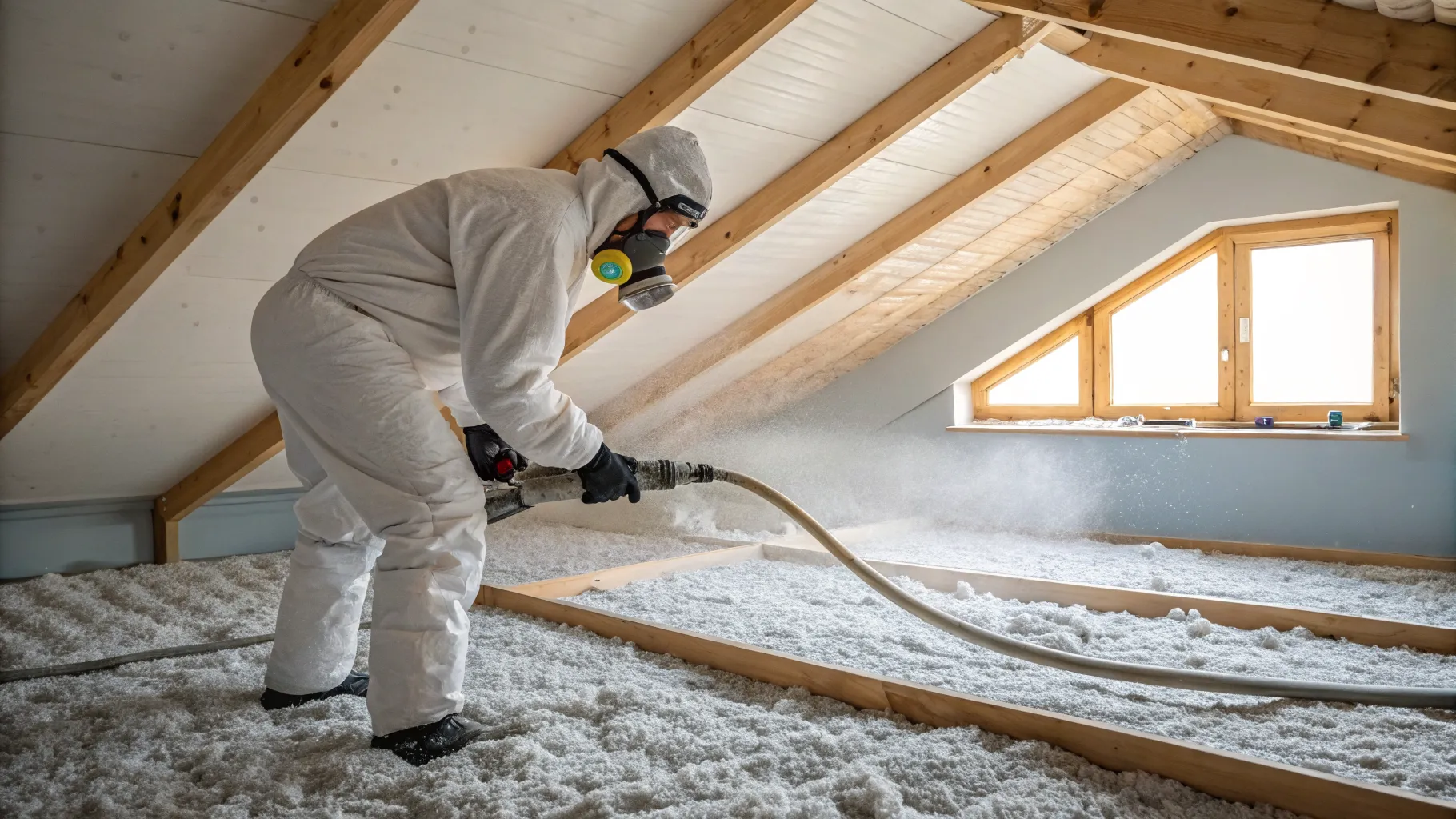
There are several types of insulation materials commonly used in attics, each with different properties and installation methods. Blown-in insulation, made of loose fiberglass or cellulose fibers, is one of the most popular choices. It's blown into the attic using a special hose, allowing it to fill small gaps and conform to irregular spaces around joists and wiring, creating a seamless thermal blanket.
Blanket insulation, which comes in pre-cut batts or rolls, is another frequent option. Typically made from fiberglass, mineral wool, or cotton, these are designed to fit snugly between standard attic joists. While often a good choice for attics with standard framing and few obstructions, they can be more challenging to install correctly around pipes or in non-standard spaces. Spray foam insulation, which is applied as a liquid and expands to fill cavities, offers excellent air-sealing properties but is often a more premium option in terms of cost.
Key Factors Influencing Upgrade Costs
The total cost of an attic insulation project depends on several variables. The most significant factors are the size of your attic and the type of insulation material you choose, as prices for materials like spray foam, fiberglass, and cellulose can vary considerably. Labor costs, which are influenced by your geographic location and the complexity of the job, also play a major role.
Other elements that impact the final price include:
- R-Value: The higher the desired thermal resistance (R-value), the more material will be needed, increasing the cost.
- Old Insulation Removal: If existing insulation is damaged, moldy, or contaminated, it must be removed before new material can be installed, which adds to the labor and disposal fees.
- Attic Accessibility: A cramped, hard-to-access attic can increase labor time and, consequently, the cost.
- Air Sealing: For insulation to be most effective, any air leaks between the living space and the attic should be sealed first. This prep work is a crucial step that adds to the project's scope and expense.
Understanding R-Value and Climate Zones
R-value is a measure of an insulation material's ability to resist heat flow. The higher the R-value, the better its insulating performance. The recommended R-value for your attic is not a one-size-fits-all number; it depends largely on your geographical location and climate. Energy organizations and local building codes provide guidelines based on climate zones to help homeowners achieve optimal energy efficiency.
For instance, homes in colder northern climates require a higher R-value (such as R-49 to R-60) to prevent heat from escaping during long winters. In contrast, homes in warmer southern climates may need a lower R-value (such as R-30 to R-49) to primarily block heat from entering the home. Understanding the specific recommendation for your region is essential for a successful and effective insulation upgrade.
The Process of an Attic Insulation Upgrade
A professional attic insulation upgrade typically begins with a thorough inspection. A contractor will assess the current state of your attic, measure the space, check for ventilation, identify any air leaks, and look for signs of moisture or pest issues. Based on this assessment, they will recommend the appropriate type of insulation and the target R-value for your home.
The next phase is preparation. This may involve the careful removal and disposal of old, inefficient insulation. Afterward, the team will perform air sealing, closing up any gaps or cracks around light fixtures, plumbing pipes, and vents that could allow conditioned air to leak into the attic. They will also ensure that soffit vents are not blocked to maintain proper airflow, which is critical for preventing moisture buildup. Finally, the new insulation is installed to a uniform depth to achieve the desired R-value.
Finding and Choosing a Qualified Contractor
Selecting the right professional for the job is key to a successful outcome. Look for contractors who are licensed, bonded, and insured in your area. Experience specifically with insulation projects is also important, as proper installation techniques are vital for performance. Reading reviews and asking for references can provide insight into a company's reliability and quality of work.
When gathering estimates, it is helpful to get several detailed, written quotes from different companies. A comprehensive quote should break down the costs for materials, labor, removal of old insulation, and any necessary prep work like air sealing. It should also specify the type of insulation being used, the total square footage, and the final R-value that will be achieved. This allows you to make an informed comparison of the services being offered.