A Comprehensive Guide to Sunroom Addition Costs
A sunroom can be a wonderful addition to any home, providing a bright, versatile space to relax and enjoy the outdoors from the comfort of inside. Before beginning such a project, it's essential to understand the potential costs involved. The final price can vary significantly based on a wide range of choices, from the fundamental design of the room to the specific materials and finishes you select.
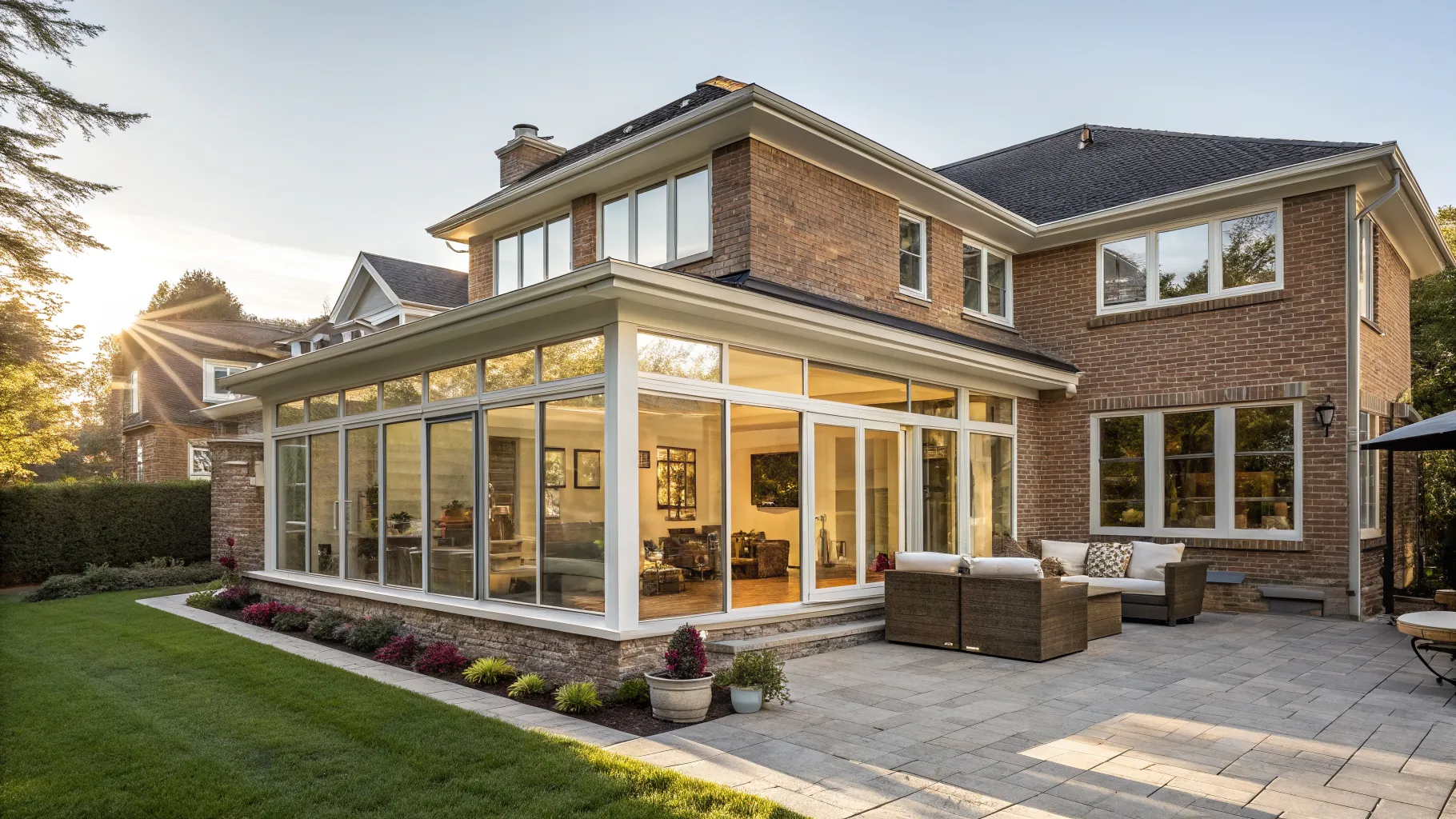
Understanding Sunroom Types and Their Cost Implications
The type of sunroom you choose is one of the biggest determinants of the overall cost. The primary distinction is between three-season and four-season rooms. A three-season sunroom is designed for use in milder weather and is not typically engineered with the insulated glass or thermal breaks needed for year-round heating and cooling. This makes it a more budget-friendly option.
A four-season sunroom, on the other hand, is built to be a true extension of your home's living space. It features thermally engineered frames and insulated, high-performance glass, allowing it to be heated and cooled efficiently throughout the year. Naturally, this higher level of construction and material quality comes with a higher price tag. Solariums, which often feature glass walls and a glass roof, represent another category and can be one of the most expensive options due to their complex engineering and material requirements.
Key Factors That Influence Total Cost
Beyond the basic type, several key variables will impact the final cost of your sunroom addition. Understanding these factors can help you create a realistic budget and make informed decisions during the planning phase. It's helpful to consider how each element contributes to both the function and the expense of the project.
Here are some of the most significant cost drivers to consider:
- Size: The square footage of the sunroom is a primary factor. Larger rooms require more materials and labor, directly increasing the cost.
- Foundation: A sunroom requires a solid foundation, which could be a concrete slab, crawl space, or even a full basement. The complexity and type of foundation will heavily influence the price.
- Materials: The choice of framing materials (such as vinyl, aluminum, or wood) and glazing (single-pane, double-pane, or low-E glass) has a substantial effect on the budget.
- Roofing: The style and material of the roof, whether it's a standard shingle roof matching your home or a glass panel roof, will also affect the cost.
Breaking Down Labor and Construction Expenses
Labor costs are a significant portion of any construction project, and a sunroom addition is no exception. These costs can vary widely depending on your geographic location, the complexity of the installation, and the experience of the contractors you hire. The work typically involves several stages, each with its own associated labor expenses.
Site preparation is the first step, which may include excavation, grading, and pouring a foundation. This is followed by the framing and assembly of the sunroom structure itself. Finally, finishing work includes installing windows, doors, flooring, electrical wiring, and any HVAC components. Obtaining multiple detailed quotes from qualified local professionals is the best way to get a clear picture of potential labor costs in your area.
The Role of Materials in Your Budget
The materials you select for your sunroom's frame and windows are critical to both its performance and its cost. Aluminum is often a cost-effective and durable option, but it is not as energy-efficient as other choices. Vinyl is another popular material, offering good insulation and low maintenance at a mid-range price point.
Wood frames provide a classic aesthetic and excellent insulation but are typically the most expensive option and require more maintenance over time. For glazing, double-pane insulated glass is a standard for four-season rooms to ensure energy efficiency. You can also opt for upgrades like low-emissivity (low-E) coatings or argon gas fills, which increase thermal performance but also add to the cost.
Optional Features and Customizations
The basic structure is only part of the equation; customizations and extra features can add significantly to the final cost. These are the elements that transform the space from a simple enclosure into a comfortable and functional room. Planning for these features in your initial budget is important to avoid unexpected expenses later.
Common additions include electrical work for lighting, ceiling fans, and outlets. You may also want to integrate an HVAC system, such as a ductless mini-split, to provide heating and cooling for a four-season room. Flooring choices can range from affordable vinyl or laminate to more expensive options like tile or hardwood. Finally, consider the cost of window treatments, such as blinds or shades, which are often necessary for controlling light and temperature.
Navigating Permits and Local Regulations
A sunroom is a structural addition to your home, which means a building permit is almost always required. The process and cost of obtaining a permit vary by municipality. Failing to secure the proper permits can lead to fines and complications, so it's a step that should not be overlooked. Your contractor can typically handle the permit application process for you.
Additionally, you must ensure the sunroom's design complies with all local building codes and zoning regulations. This includes rules regarding property line setbacks and structural requirements. Working with an experienced and reputable contractor is crucial, as they will be familiar with the local codes and can ensure your project is built safely and legally, preventing potential issues down the road.