A Comprehensive Guide to Kitchen Cabinet Refacing Costs
Kitchen cabinet refacing is a popular and cost-effective way to give your kitchen a fresh, new look without the disruption of a complete overhaul. It involves replacing the cabinet doors and drawer fronts while applying a new veneer to the exterior of the cabinet boxes. Before diving into this project, it's essential to understand the various factors that contribute to the overall cost.
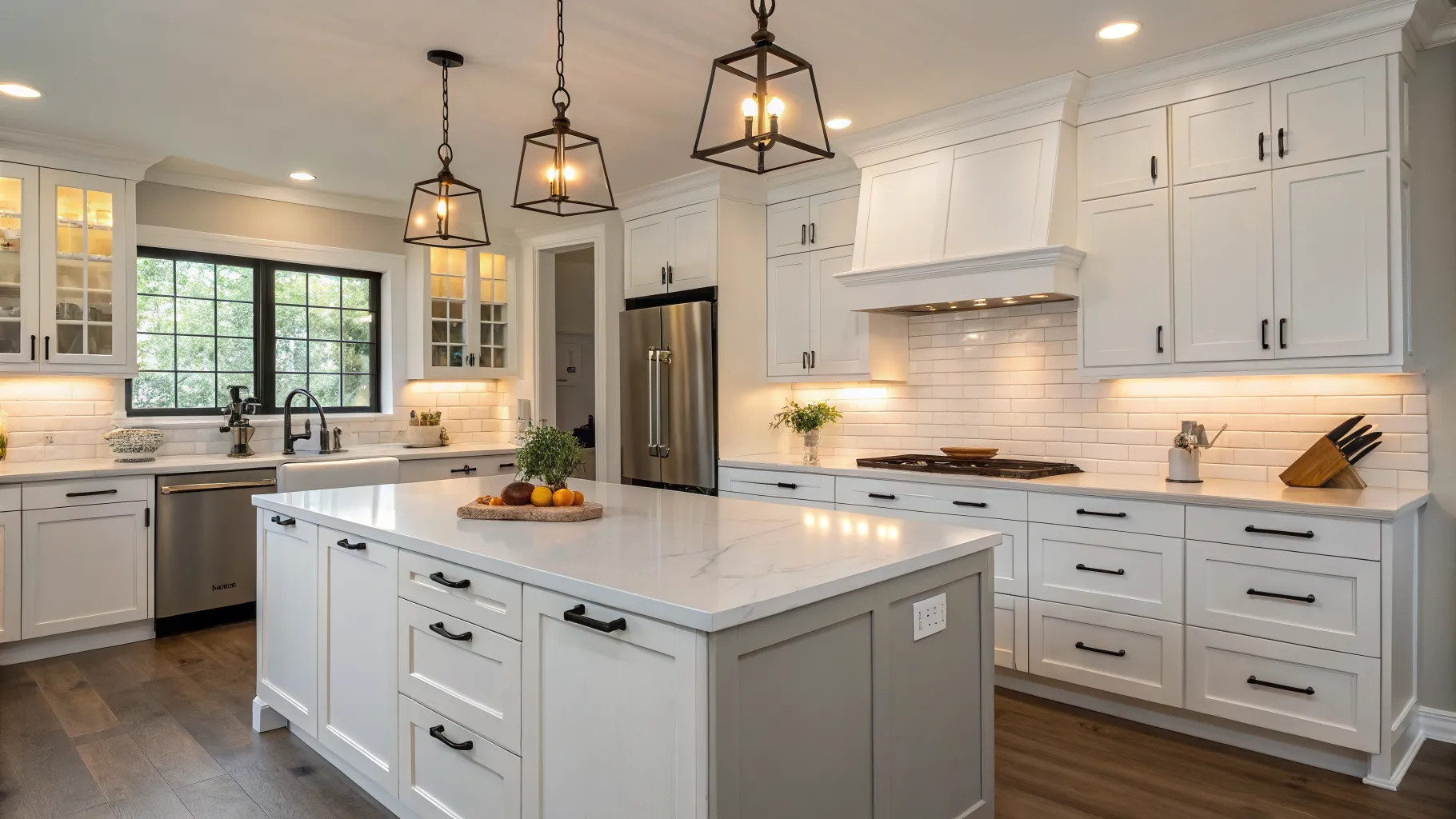
What is Kitchen Cabinet Refacing?
Cabinet refacing, sometimes called cabinet resurfacing, is a renovation process that updates the look of your cabinets without altering their underlying structure. The process involves removing all existing cabinet doors, drawer fronts, and hardware. A professional then applies a new veneer of wood or laminate to the visible exterior surfaces of the cabinet boxes.
Finally, new, custom-fit doors and drawer fronts are installed along with new hardware like handles and hinges. This method is distinct from cabinet replacement, which involves tearing out the old cabinet boxes entirely, and from cabinet painting, which only changes the color of the existing surfaces. Refacing offers a significant aesthetic transformation that falls between these two options in terms of both cost and complexity.
Key Factors That Determine Refacing Costs
The final price tag for a cabinet refacing project is not a one-size-fits-all number. It is influenced by several important variables that can cause the cost to fluctuate significantly from one kitchen to another. Understanding these elements will help you create a more realistic budget for your project.
- Kitchen Size: The most direct cost factor is the sheer volume of work. The total number of cabinet doors and drawers that need to be replaced and the total square footage of cabinet boxes to be veneered will be the primary drivers of material and labor costs.
- Materials Chosen: The type of veneer and door material you select has a major impact on the price. Options range from affordable laminates to premium real wood veneers and solid wood doors.
- Labor: Professional installation fees vary by region and the complexity of the job. A kitchen with a simple layout will cost less to reface than one with intricate corners and custom features.
- Hardware: New hinges, handles, and knobs are almost always part of the project, and their cost can add up depending on the style and quality you choose.
- Project Complexity: Any repairs needed for the existing cabinet boxes or requests for custom modifications will add to the overall cost.
A Breakdown of Material Costs
The material you choose for your new doors and veneer is one of the most significant line items in your budget. Different materials come at different price points and offer distinct advantages in terms of appearance, durability, and maintenance.
Laminate and Thermofoil (RTF)
Plastic laminates and Rigid Thermofoil (RTF) are among the most affordable options. They consist of a durable plastic material bonded to a composite wood core, like medium-density fiberboard (MDF). These materials are available in a vast array of solid colors and simulated wood grain patterns, are easy to clean, and are quite durable, making them a popular choice for modern, high-traffic kitchens.
Wood Veneers
For those who desire the authentic look of wood without the high cost of solid wood, wood veneers are an excellent mid-range option. A wood veneer is a very thin slice of real hardwood (like oak, maple, or cherry) that is bonded to a stable core material. This gives you the genuine grain and texture of wood at a more accessible price point and with greater resistance to warping than solid wood.
Solid Wood Doors
While the cabinet boxes are typically covered with a veneer, you can opt for new doors and drawer fronts made from solid wood. This is the most premium and expensive option. Solid wood provides a classic, high-end appearance and can be stained to showcase its natural beauty. Popular wood choices include oak, maple, cherry, and hickory, each with its own unique look and price.
Professional Installation vs. DIY Costs
Deciding whether to hire a professional or tackle the project yourself is a major consideration that heavily influences the final cost. Hiring a professional team ensures a high-quality finish and saves you significant time and effort, but labor can account for a large portion of the total project budget. Professional fees vary based on your location, the contractor's experience, and the scope of the work.
A DIY approach can eliminate labor costs, saving you a substantial amount of money. However, this path is not for everyone. Cabinet refacing requires precision, patience, and the right set of tools. Errors in measuring or application can be costly to fix. This option is best suited for individuals with strong home improvement skills who are confident in their ability to achieve a professional-looking result.
Don't Forget These Additional Expenses
Beyond the core materials and labor for the refacing itself, several other costs can arise during a cabinet renovation. It's wise to budget for these potential additions to avoid any financial surprises down the line and to ensure you get the functionality you want from your updated kitchen.
- New Hardware: Handles, knobs, and pulls are essential finishing touches. Their cost can range from just a few dollars to much more per piece depending on the style and material.
- Hinge Upgrades: This is the perfect opportunity to upgrade from standard hinges to modern soft-close hinges, which prevent doors from slamming shut.
- Drawer Box Replacements: If your existing drawer boxes are old, sticky, or falling apart, you may need to replace them entirely. Upgrading to full-extension, soft-close drawer glides is another popular choice.
- Interior Accessories: While refacing the exterior, you might decide to add new functionality inside, such as pull-out shelves, lazy Susans, or custom organizers for spices or trash bins.
- Minor Repairs: Any existing water damage, cracks, or structural issues with the cabinet boxes must be repaired before the new veneer can be applied.
How to Secure an Accurate Cost Estimate
To get a true understanding of what cabinet refacing will cost for your specific kitchen, the best course of action is to obtain detailed estimates from qualified professionals. Generic online calculators can provide a rough idea, but they cannot account for the unique layout, condition, and specific material choices of your space. A professional will need to visit your home to take precise measurements.
When seeking quotes, it is advisable to contact at least three different reputable companies. This allows you to compare not only prices but also the quality of materials offered and the scope of services included. Ask for an itemized quote that clearly breaks down the costs for materials, labor, hardware, and any additional work. Before making a final decision, be sure to check references, look at examples of their past work, and ask about their warranties on both materials and labor.