A Beginner's Guide to Taking a Pottery Class
Dipping your hands into clay for the first time is a unique and rewarding experience. Pottery classes offer a fantastic opportunity to step away from screens, engage your creativity, and learn a timeless craft. Whether you are looking for a new hobby or just a fun one-time activity, understanding what to expect can help you make the most of your time at the wheel or workbench.
What to Expect in a Beginner Pottery Class
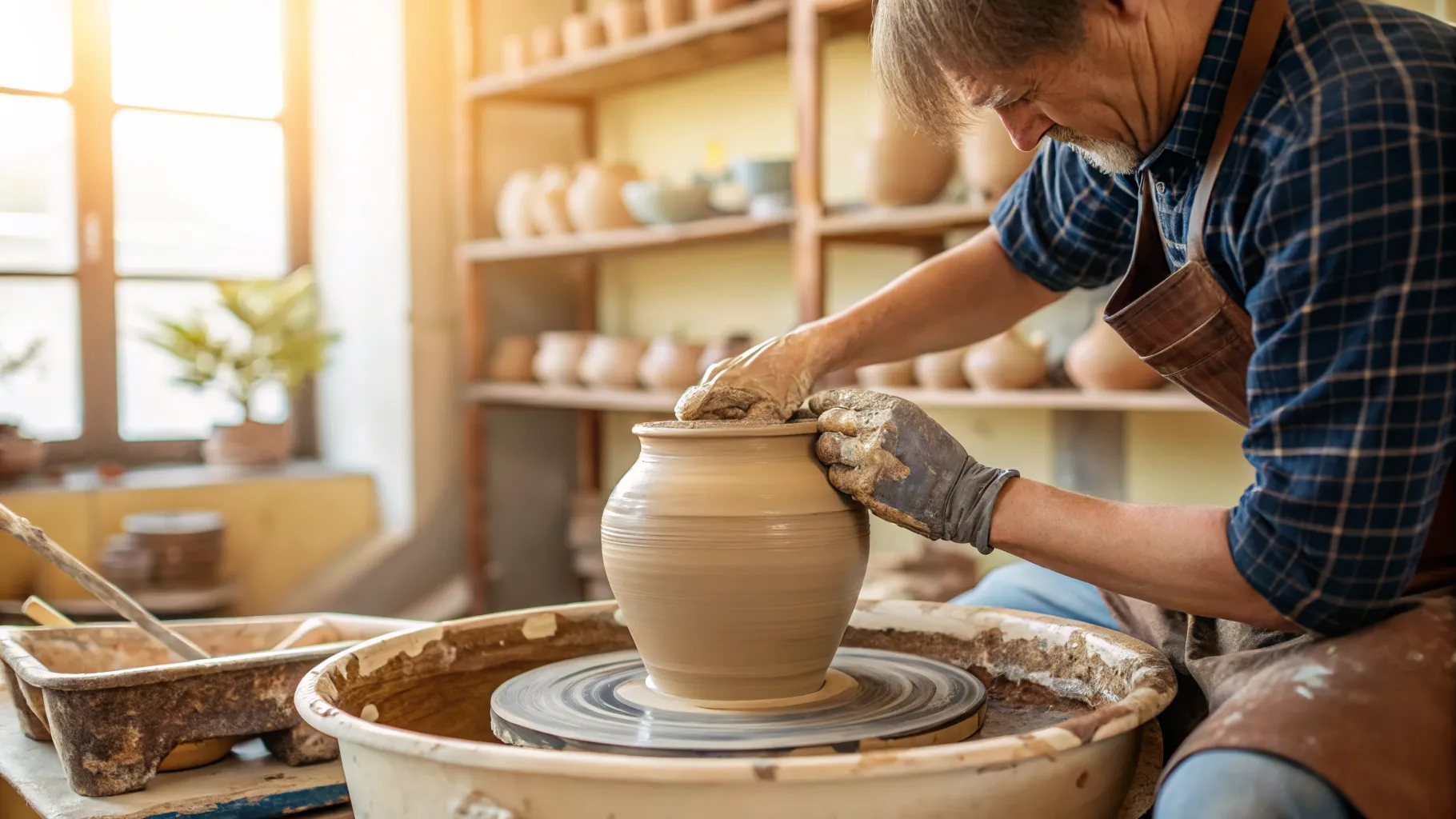
Your first pottery class will typically begin with an introduction to the studio, the tools, and the clay itself. An instructor will demonstrate the fundamental techniques you will be focusing on for that session. You do not need to bring any special equipment, as studios provide everything, including the clay, tools, and an apron to protect your clothes. Just come prepared to get a little messy and have fun.
Most introductory classes or workshops last between two and three hours. The instructor will guide you step-by-step through the process of creating a simple piece, like a small bowl or a cup. The atmosphere is usually relaxed and supportive, with the instructor available to offer hands-on assistance and answer any questions. The focus is on the experience of working with the material rather than achieving perfection on your first try.
Wheel Throwing vs. Hand-Building Classes
Pottery classes generally fall into two main categories: wheel throwing and hand-building. Wheel throwing is what most people picture when they think of pottery. It involves shaping clay on a spinning potter's wheel to create symmetrical forms like mugs, bowls, and vases. This technique requires practice to master the skill of centering the clay, but it is a very engaging and dynamic process.
Hand-building, on the other hand, does not use a wheel. Instead, you create forms using your hands and simple tools. There are several primary hand-building techniques, including pinch pots (shaping a ball of clay by pinching it), coiling (building walls with rolled coils of clay), and slab building (joining flat sheets of clay). Hand-building allows for a wider variety of shapes and is often considered more immediately accessible for complete beginners.
Core Techniques You Will Learn
Regardless of the type of class you choose, you will be introduced to the fundamental stages of creating ceramics. The process is a journey from a simple lump of clay to a durable, finished object. While you may only focus on one or two steps in a short workshop, a multi-week course will cover the entire lifecycle of a ceramic piece.
- Wedging: This is the process of preparing the clay by kneading it to remove air bubbles and create a uniform consistency.
- Centering and Shaping: In a wheel class, this is the crucial step of getting the clay perfectly centered on the wheel before pulling up the walls. In hand-building, this involves creating your primary form through pinching, coiling, or slab work.
- Trimming: After a piece has dried to a 'leather-hard' state, excess clay is trimmed away, and a 'foot' might be carved into the base to ensure it sits flat.
- Glazing: Glazing is the final creative step. You will apply a coat of liquid glass, or glaze, to your bisque-fired piece. During the final firing, the glaze melts to form a colorful, durable, and often glossy surface.
How to Find the Right Pottery Studio for You
Finding a place to take a pottery class is easier than ever. A great place to start your search is with local community art centers, which often offer affordable courses for all skill levels. Dedicated private pottery studios also offer a wide range of options, from single-session 'taster' classes to intensive multi-week courses. Searching online for 'pottery classes near me' or checking local community boards can reveal many hidden gems.
When choosing a studio, consider a few factors. Look at the class size; smaller classes often mean more one-on-one time with the instructor. Check out photos of the studio to see if the environment looks welcoming and well-equipped. Finally, read about the instructors to get a sense of their style and experience. Some studios focus on technical skill, while others prioritize creative expression, so find one that aligns with your personal goals.
The Therapeutic Benefits of Working with Clay
Many people are drawn to pottery for its mental and emotional benefits. The physical act of working with clay requires focus and presence, making it a form of active meditation. It encourages you to slow down and concentrate on the tactile sensations in your hands, which can be incredibly effective at reducing stress and calming a busy mind. The process helps you disconnect from daily pressures and engage in a fulfilling, hands-on activity.
Beyond its calming effects, pottery is also a powerful outlet for self-expression. There are no right or wrong answers in art, and a pottery class provides a safe space to experiment, make mistakes, and create something that is uniquely yours. It is also a social activity that can connect you with a community of fellow creators, fostering new friendships and a sense of belonging.
From Wet Clay to Finished Piece: The Firing Process
Creating your piece in class is just the first step. To transform the soft, fragile clay into a hard, permanent ceramic object, it must be fired in a special high-temperature oven called a kiln. This process is almost always included in the cost of your class, but it is not instantaneous. Your piece needs to dry completely first, which can take a week or more.
Most pottery undergoes two firings. The first is a 'bisque' firing, which turns the clay into a porous, ceramic state. After this, you can apply glaze. The second is the 'glaze' firing, which is done at a higher temperature to melt the glaze and vitrify the clay body, making it strong and often waterproof. Because of the drying and firing schedule, you will typically need to return to the studio a few weeks after your class to pick up your finished masterpiece.