9 Things that Make Your Home Look Cheap
Creating a beautiful living space requires careful curation and attention to detail. However, certain home styling mistakes can easily detract from your hard work, making even the most expensive room feel unrefined. Recognizing these common missteps is the first step toward achieving a cohesive and elevated interior.
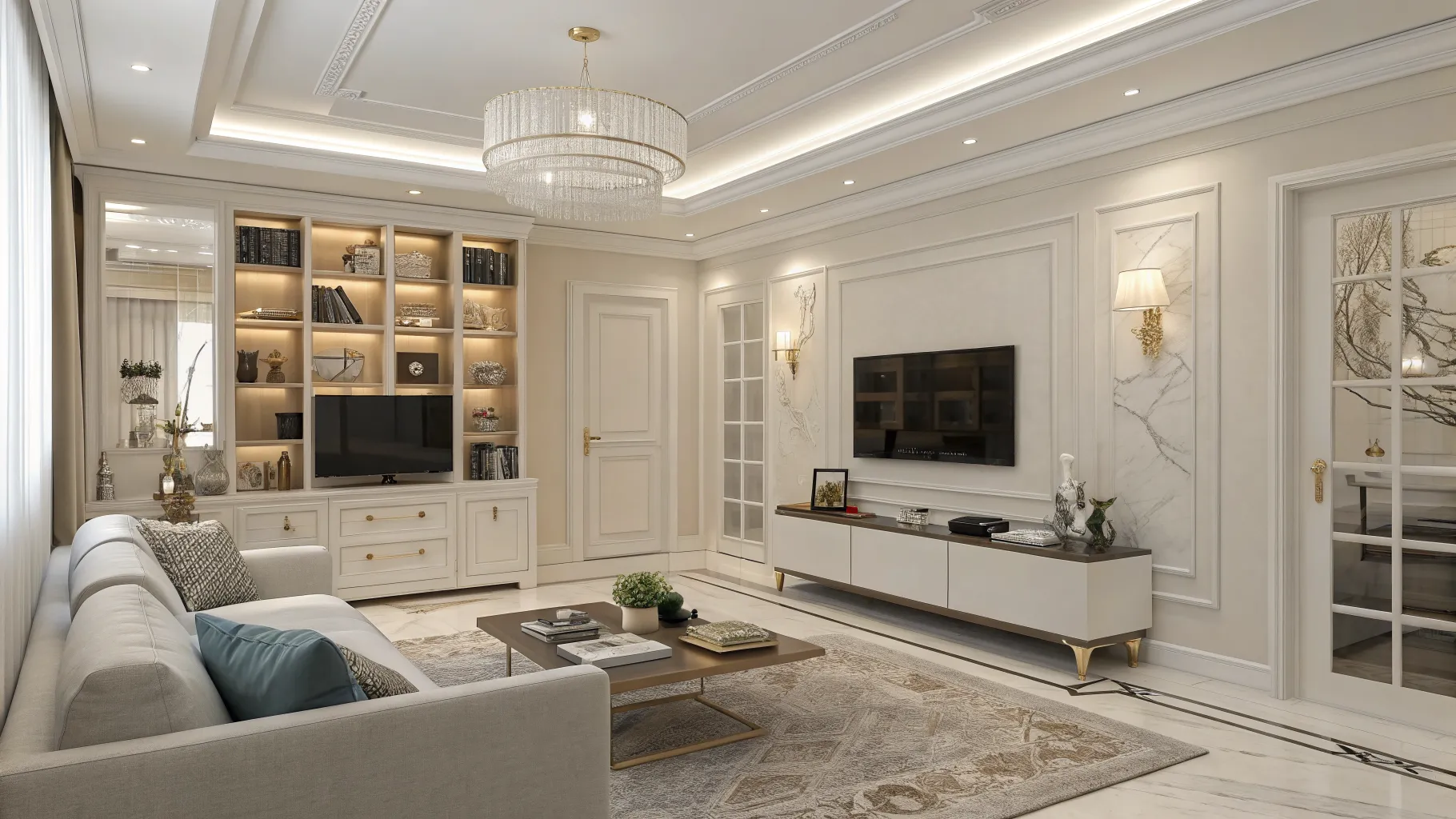
1. Cluttered Surfaces and Lack of Organization
One of the fastest ways to make a home look cheap is by allowing everyday items to pile up on flat surfaces. Kitchen counters, coffee tables, and entry consoles often become catch-all areas for mail, keys, and miscellaneous belongings. This visual chaos distracts from the architectural features of the room and makes the space feel chaotic rather than welcoming.
To combat this issue, implementing smart storage solutions is essential. Baskets, decorative boxes, and closed cabinetry help conceal functional items while maintaining a clean aesthetic. A minimalist approach to surface styling ensures that the decorative objects you choose to display actually stand out.
2. Relying on Incorrectly Sized Area Rugs
Area rugs serve to anchor a room and define specific zones, especially in open-concept floor plans. A frequent mistake homeowners make is purchasing a rug that is far too small for their furniture arrangement. When a rug floats in the center of the room without touching the front legs of the sofas or chairs, it makes the entire space feel disconnected and budget-friendly in the worst way.
Choosing the right size usually means opting for an eight by ten or nine by twelve rug for a standard living room. At a minimum, the front legs of all major seating pieces should rest comfortably on the edges of the rug. This simple adjustment instantly elevates the room, making it appear larger and professionally designed.
3. Poor Lighting and Harsh Bulbs
Lighting is often an afterthought in interior design, yet it has a profound impact on how a space looks and feels. Relying solely on a single overhead fixture can cast harsh shadows and wash out the colors in a room. Furthermore, using cool-toned, daylight bulbs in living areas can create a sterile environment that feels more like a waiting room than a cozy home.
- Layered lighting is key: incorporate floor lamps, table lamps, and wall sconces.
- Choose warm white bulbs, typically around 2700K to 3000K, for a welcoming glow.
- Use dimmer switches to control the ambiance based on the time of day.
4. Buying Entire Matching Furniture Sets
Purchasing a complete matching bedroom or living room set straight from a showroom floor might seem like an easy way to furnish a house. However, this is one of the most common home decor mistakes. Matching sets often lack character and make a home feel like a generic catalog rather than a personalized, curated space.
A more sophisticated approach involves mixing different materials, textures, and eras. Pairing a modern sofa with a vintage wooden coffee table, or combining upholstered dining chairs with a solid oak table, adds visual interest. Collecting pieces over time results in a layered look that feels authentic and expensive.
5. Leaving Cords and Wires Visible
In our highly connected world, electronics are a necessity, but their accompanying accessories are not meant to be decor. A tangle of black cords hanging from a wall-mounted television or snaking across the floor immediately cheapens the aesthetic of a room. It gives the impression that the installation was rushed or unfinished.
Fortunately, hiding wires is a straightforward process that yields immediate results. You can route cables through the wall, use paintable cord covers, or strategically place furniture and decor to obscure outlets. Managing these unsightly elements is a small detail that makes a massive difference in the overall polish of your home.
6. Displaying Mass-Produced and Generic Art
Bare walls can make a room feel incomplete, but filling them with generic, mass-produced artwork can be equally detrimental. Canvas prints with cliché quotes or heavily manufactured cityscapes often read as filler decor. These pieces are among the top things that make home look cheap because they lack personal significance and originality.
Instead of rushing to fill wall space, take the time to find art that resonates with you. You do not need a massive budget to find great pieces. Consider exploring local art fairs, framing vintage posters, or even hanging personal photography. Unique artwork serves as a conversation starter and infuses a room with genuine character.
7. Hanging Ill-Fitting Window Treatments
Window treatments are vital for privacy and light control, but their installation greatly influences the perceived height and elegance of a room. Hanging curtain rods directly immediately above the window frame is a frequent error. Additionally, using panels that are too short and hover awkwardly above the floor creates a stunted, unrefined appearance.
- Mount curtain rods close to the ceiling to draw the eye upward.
- Extend the rod several inches beyond the window width to allow maximum light entry.
- Ensure curtain panels are long enough to just kiss the floor or pool slightly.
8. Holding Onto Outdated Hardware and Fixtures
Kitchens and bathrooms are major focal points in any house, and they are easily aged by their smallest details. Builder-grade cabinet knobs, outdated brass door handles, and generic light fixtures can drag down the look of an otherwise beautiful space. This dated home styling mistake is particularly noticeable because these elements are touched and used daily.
Swapping out old hardware is an accessible update that does not require a full renovation. Upgrading to matte black, brushed nickel, or unlacquered brass pulls can completely modernize wooden cabinetry. Similarly, replacing a basic hallway ceiling light with a stylish flush mount instantly upgrades the architectural feel of the corridor.
9. Ignoring Scale and Proportion
Scale refers to how the size of objects relates to the room and to one another. A massive sectional stuffed into a tiny apartment living room, or a delicate accent chair floating in a cavernous great room, creates a jarring visual imbalance. When furniture scale is ignored, the space feels uncomfortable and poorly planned.
To achieve a high-end look, it is crucial to measure your rooms before bringing in new pieces. Balance heavy, solid furniture with lighter items that feature exposed legs. Maintaining proper proportion ensures that movement flows easily through the room, which is a hallmark of professional, thoughtful design.