The Ultimate Guide to 14-Day Trips to Japan for Seniors
Facts:
- Japan's Shinkansen (bullet train) is renowned for its punctuality and accessibility.
- A growing travel trend for seniors is slow-paced, culturally immersive itineraries.
Crafting the Perfect Two-Week Japan Adventure for Retirees
Embarking on a journey to Japan is a dream for many, and with the right approach, it can be an incredibly rewarding and comfortable experience for older travelers. This guide is specifically designed to help you with your japan trip planning, offering a comprehensive look at what makes for perfect 14 day trips to japan for seniors. We will delve into a thoughtfully paced itinerary, essential travel tips, and accommodation advice to ensure your adventure is both memorable and manageable. A well-structured senior japan itinerary balances iconic sights with ample time for rest and spontaneous discovery, transforming a simple vacation into a rich cultural immersion. This retiree japan travel guide prioritizes accessibility, comfort, and authentic experiences.
A Balanced 14-Day Itinerary: Blending Tradition and Modernity
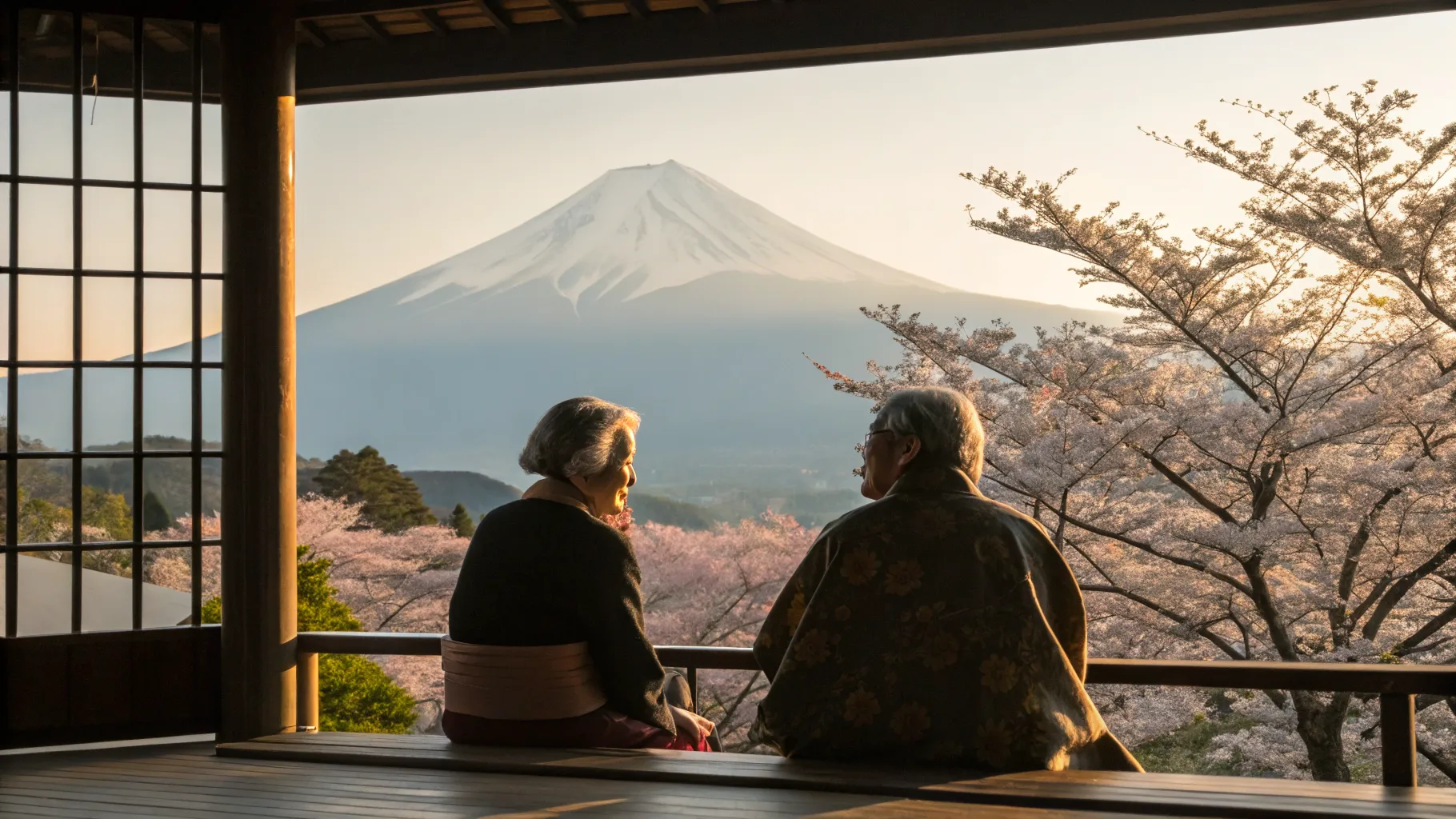
This sample itinerary is a template for ideal 14 day trips to japan for seniors, focusing on minimizing long travel days and maximizing enjoyment. It combines the must-see destinations with a relaxed pace, which is a cornerstone of successful japan travel for seniors. Feel free to adapt it based on your personal interests and energy levels.
Week 1: Tokyo's Modern Marvels and Hakone's Natural Beauty
Days 1-3: Arrival and Exploring Tokyo. Arrive at Narita (NRT) or Haneda (HND) airport and take a comfortable limousine bus or the Narita Express directly to your hotel in a convenient area like Shinjuku or Ginza. Spend the first few days acclimatizing. Visit the serene Meiji Jingu Shrine, explore the upscale Ginza district, and enjoy the panoramic views from the Tokyo Metropolitan Government Building (a free alternative to the Skytree). Prioritize short excursions and use taxis for convenience.
Days 4-5: Hakone's Tranquility. Take a pre-booked 'Romancecar' train to the beautiful mountain resort of Hakone. Stay in a traditional Ryokan with an onsen (hot spring) for a truly relaxing experience. Enjoy a cruise on Lake Ashi with views of Mount Fuji (weather permitting) and ride the Hakone Ropeway. This part of your senior japan itinerary is designed for relaxation and appreciating nature.
Week 2: Kyoto's Cultural Heart and Nara's Gentle Deer
Days 6-9: The Imperial Capital of Kyoto. Travel via Shinkansen (bullet train) to Kyoto. The journey is smooth and a highlight in itself. Dedicate these days to Kyoto’s timeless temples and gardens. Visit Kinkaku-ji (The Golden Pavilion), the Arashiyama Bamboo Grove (go early to avoid crowds), and the historic Gion district, famous for geishas. Consider hiring a private guide with a car for a day to cover key sights comfortably. Effective japan trip planning for seniors often involves investing in such conveniences.
Days 10-11: Day Trip to Nara. Take an easy 45-minute train ride to Nara, Japan's first permanent capital. The main attractions, including Todai-ji Temple with its giant Buddha statue and the friendly wild deer in Nara Park, are located in a compact, walkable area. It's a delightful and manageable day trip.
Days 12-14: Osaka's Culinary Delights and Departure. Travel to Osaka, a city renowned for its food scene. Explore Dotonbori's vibrant streets and Osaka Castle. Enjoy a final celebratory meal before heading to Kansai International Airport (KIX) for your departure. This concludes a comprehensive and enjoyable retiree japan travel guide experience.
Essential Japan Trip Planning for Seniors
Thoughtful preparation is key to a stress-free journey. This section of our retiree japan travel guide focuses on the practicalities that ensure a smooth experience. Proper japan trip planning makes all the difference for a comfortable adventure.
- Travel Insurance: Always purchase comprehensive travel insurance that covers medical emergencies. Japan has excellent healthcare, but it can be expensive for visitors without coverage.
- Medications: Carry all necessary medications in their original packaging, along with a doctor's note and prescription. Japan has strict rules on certain medications, so check with the Japanese embassy in your country beforehand.
- Pacing: Do not overschedule your days. Plan for one major activity in the morning and perhaps a smaller one in the afternoon, with plenty of time for rest. Building downtime into your senior japan itinerary is crucial.
- Connectivity: Rent a pocket Wi-Fi device or get a travel SIM card at the airport. This is invaluable for using maps, translation apps, and staying in touch with family.
Choosing the Right Accommodation for Senior Travelers
Where you stay significantly impacts the comfort of your trip. For successful japan travel for seniors, selecting the right lodging is paramount. Western-style hotels in major cities offer familiar comforts, accessibility features, and English-speaking staff. Look for hotels near major train stations to minimize walking. Alternatively, staying in a Ryokan (traditional Japanese inn) for a night or two offers a unique cultural experience with tatami mat floors, futon beds, and exquisite multi-course meals. When booking a Ryokan, ensure you request one with a private bathroom and inquire about Western-style bed options if needed.
Navigating Japan with Ease: Transportation Tips for Retirees
Japan's public transport is world-class but can be daunting. The Japan Rail (JR) Pass can be cost-effective for long-distance travel, especially on the Shinkansen. Seats can and should be reserved in advance at any JR station. In cities, use a prepaid IC card (like Suica or Pasmo) for seamless travel on subways and buses. Taxis are clean, reliable, and excellent for short distances or when you're tired, though they are more expensive. Major stations have elevators and escalators, but smaller ones may not, so planning routes with accessibility in mind is a key part of japan trip planning.
Pacing Your Journey: Health and Wellness on the Road
Maintaining your health is essential for enjoying your travels. Drink plenty of water to stay hydrated. Wear comfortable, supportive shoes as you will be doing a fair amount of walking, even on a relaxed itinerary. Public restrooms are ubiquitous and clean. Many sightseeing spots have benches and rest areas. Don't hesitate to take breaks, enjoy a cup of tea, and simply watch the world go by. A successful senior japan itinerary is not about seeing everything, but about enjoying what you see in comfort.
Frequently Asked Questions
What is the best time of year for a senior japan itinerary?
Spring (March-May) for cherry blossoms and autumn (October-November) for fall colors are ideal. They offer pleasant weather, avoiding the intense heat and humidity of summer and the cold of winter. These seasons are popular, so book flights and accommodation well in advance.
How much walking is involved in these 14 day trips to japan for seniors?
While this itinerary is designed to be manageable, a moderate amount of walking is unavoidable. Most attractions, temples, and gardens require walking to explore fully. We recommend using taxis strategically and planning for breaks to manage your energy levels effectively throughout your journey.
Is Japan's public transport accessible for travelers with mobility issues?
Japan is continuously improving accessibility. Major train and subway stations are generally equipped with elevators and escalators. The Shinkansen is highly accessible. However, older, smaller stations and some historical sites might pose challenges. This is a critical consideration for your japan trip planning.
References
- Japan National Tourism Organization (JNTO) - Senior Travel Guidelines
- Ministry of Health, Labour and Welfare - Visitor Information
- Japan Accessible Tourism Center Reports
- Guides on Japanese Etiquette and Customs for Travelers