10 Ways to Make Your Home Look Better
Revamping a living space is a common goal for homeowners and renters alike, but knowing where to start can often feel overwhelming. Fortunately, improving the overall aesthetic of a house does not always necessitate tearing down walls or engaging in costly structural renovations. By focusing on fundamental design elements such as light, layout, and texture, anyone can significantly elevate their home environment. The following ten strategies provide a comprehensive guide to enhancing the visual appeal and comfort of any living space.
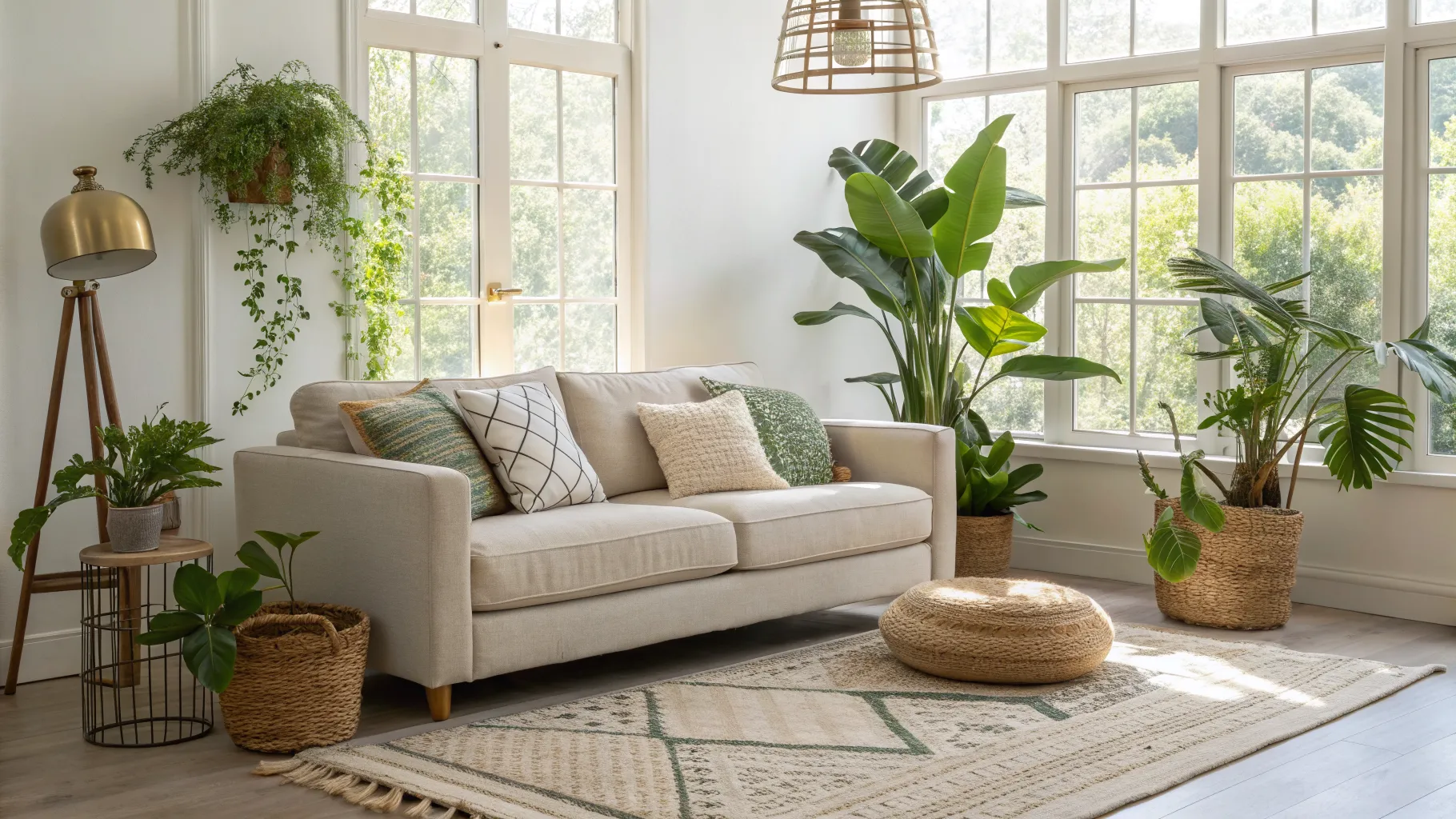
1. Declutter and Organize Spaces
One of the most immediate methods to improve a home is to remove excess clutter. When surfaces are covered with mail, miscellaneous objects, and daily detritus, even the most beautifully designed room will look chaotic and stressful. Clearing countertops, tables, and floors creates a sense of visual calm and allows the actual architecture and furnishings of the room to stand out.
Effective organization requires establishing dedicated zones for everyday items. Incorporating attractive storage solutions like woven baskets, wooden crates, or minimalist shelving units can hide unsightly necessities while contributing to the room decor. Keeping only purposeful or beautiful objects on display instantly makes a space feel curated and intentional.
2. Upgrade Your Lighting Fixtures
Lighting is a crucial element that dictates the mood and functionality of a room. Many homes suffer from relying solely on harsh overhead fixtures, which can cast unflattering shadows and make spaces feel clinical. Layering different types of lighting, including ambient, task, and accent lighting, creates depth and warmth.
Replacing outdated builder-grade ceiling fixtures with modern pendants or a statement chandelier can drastically shift a room aesthetic. Additionally, introducing floor and table lamps with warm-toned LED bulbs will create a cozy, inviting atmosphere during the evening hours. Even swapping out old lampshades for fresh, contemporary designs can make a noticeable difference.
3. Introduce Indoor Plants and Greenery
Incorporating natural elements into a home design brings life and vibrant color to static environments. Houseplants improve indoor air quality and have been shown to boost mood, making them both a functional and aesthetic addition. The organic shapes of leaves and stems provide a pleasant contrast to the rigid, geometric lines of most furniture and architecture.
For those who may not have a natural green thumb, there are plenty of low-maintenance varieties available. Snake plants, pothos, and ZZ plants require minimal watering and can thrive in various lighting conditions. Placing large floor plants in empty corners or trailing vines on high shelves immediately softens the room and adds visual interest.
4. Refresh Wall Colors with a New Coat of Paint
Few home improvement ideas yield as dramatic a result as applying a fresh coat of paint. Over time, walls accumulate scuffs, fading, and discoloration that subtly degrade the look of a home. Repainting is a relatively inexpensive project that can entirely redefine the character and brightness of a room.
Choosing the right color palette is essential for achieving the desired effect. Light, neutral tones like soft whites, warm beiges, or pale grays can make small rooms feel more expansive and airy. Conversely, deep, moody colors like navy blue or forest green can be used effectively on accent walls or in smaller spaces like powder rooms to create a sophisticated, intimate atmosphere.
5. Optimize Furniture Layout for Flow
The way furniture is arranged significantly impacts how spacious and welcoming a room feels. Pushing all seating flush against the walls is a common mistake that often leaves a large, awkward void in the center of the room. This arrangement can hinder conversation and make the space feel disconnected.
Instead, pulling furniture slightly away from the walls creates intimate, functional conversation zones. Arranging sofas and chairs to face one another anchors the space and improves traffic flow around the perimeter. Ensuring there is adequate walking space between pieces is vital for maintaining a comfortable and easily navigable home.
6. Invest in High-Quality Textiles and Rugs
Textiles introduce necessary texture, color, and comfort into a home styling plan. A room that feels cold or uninviting often lacks the softening effect provided by fabrics. Area rugs play a vital role in grounding furniture arrangements and defining specific zones within open-concept layouts.
When selecting a rug, it is important to choose an appropriate size; a rug that is too small can make a room look disjointed. Ideally, the front legs of all major furniture pieces should rest on the rug. Furthermore, layering varied textures through throw blankets, velvet pillows, or linen slipcovers adds richness and dimension to standard upholstery.
7. Enhance Window Treatments
Windows are natural focal points, and how they are dressed can either elevate or detract from a room elegance. Flimsy blinds or outdated, heavy drapery can block precious natural light and make ceilings feel lower than they actually are. Updating window treatments is a straightforward way to polish a room appearance.
To create the illusion of larger windows and higher ceilings, curtain rods should be mounted several inches above the window frame and extended wider than the glass. Hanging floor-length, semi-sheer panels allows diffused natural light to filter through while maintaining privacy, giving the room an airy, sophisticated look.
8. Pay Attention to Hardware and Details
It is often the smallest details that betray the age or quality of a home interior. Outdated, mismatched, or worn-out hardware on kitchen cabinets, bathroom vanities, and interior doors can drag down the overall aesthetic. Updating these elements is a fast project that yields a high visual return.
Replacing old brass or plastic knobs with contemporary finishes like matte black, brushed nickel, or unlacquered brass instantly modernizes a space. Similarly, updating yellowed light switch plates, outlet covers, and floor registers to match the new hardware ensures a cohesive, thoroughly considered design throughout the house.
9. Create Intentional Focal Points
Every well-designed room features a clear focal point that immediately draws the eye upon entering. Without a visual anchor, a room can feel chaotic because there is no specific place for the gaze to rest. A focal point organizes the space and gives the surrounding decor a sense of purpose.
Natural focal points might include a large fireplace, a prominent picture window, or built-in bookshelves. If a room lacks architectural features, a focal point can be created artificially. Hanging an oversized piece of art, installing a striking light fixture, or featuring a bold, colorful sofa can serve as an excellent centerpiece to build the rest of the room around.
10. Curate Personal Art and Decor Collections
A home should reflect the personalities and experiences of the people who live there. Relying entirely on mass-produced, generic decor can make a space feel like a furniture showroom rather than a lived-in home. Integrating personal collections, travel souvenirs, and meaningful artwork adds authenticity and warmth.
When displaying decor, thoughtful arrangement is key to avoiding a cluttered look. Grouping items in odd numbers, such as clusters of three or five, is a well-known design principle that is naturally pleasing to the eye. Creating a gallery wall with matching frames or carefully styling a bookshelf with a mix of books and sculptural objects ensures these personal items enhance rather than overwhelm the space.