Your Guide to Finding the Most Comfortable Summer Sandals
When the weather warms up, swapping closed-toe shoes for a great pair of sandals is a top priority. However, not all sandals are created equal when it comes to comfort. Finding a pair that offers style without sacrificing support can make a significant difference in how your feet feel at the end of the day. Understanding the basics of sandal construction, materials, and fit is the first step toward a comfortable and enjoyable summer.
What Defines a Comfortable Sandal?
True comfort in a sandal goes beyond a soft surface. It involves a combination of structural support, proper cushioning, and a design that works with the natural shape of your foot. A key element is the footbed, which is the part of the sandal your foot rests on. An ideal footbed is contoured to support the arch, cup the heel, and provide enough space for your toes to rest naturally. Without this support, you might experience foot fatigue, aches, and even long-term issues.
Another critical factor is the sole construction. The outsole, or the bottom layer that contacts the ground, should provide adequate traction and shock absorption to cushion your steps on various surfaces. The midsole, located between the footbed and outsole, is where most of the cushioning happens. Materials like EVA foam or cork are often used here because they are lightweight yet effective at absorbing impact, reducing stress on your feet and joints.
Key Features to Look For
When shopping for comfortable sandals, keeping a few specific features in mind can help you narrow down the options. These elements work together to create a supportive and pleasant wearing experience, whether you're walking around town or relaxing on vacation.
- Cushioned Footbeds: Look for materials like memory foam, cork, or ethylene-vinyl acetate (EVA). These materials mold to your foot's shape over time, providing personalized cushioning and support.
- Arch Support: Proper arch support is vital for preventing foot strain and conditions like plantar fasciitis. A sandal with a built-in, contoured arch helps distribute pressure evenly across your foot.
- Adjustable Straps: Straps that can be adjusted with buckles or hook-and-loop closures allow for a customized and secure fit. This prevents your foot from sliding around, which can cause blisters and instability.
- Deep Heel Cup: A deep, structured heel cup helps to cradle the heel, promoting stability and proper foot alignment with each step you take.
Materials Matter: From Leather to Synthetics
The materials used to make a sandal heavily influence its comfort, durability, and suitability for different activities. Natural materials like full-grain leather and suede are popular choices for their breathability and ability to conform to the shape of your foot over time. While they often require a short break-in period, they tend to offer excellent long-term comfort and a classic look. However, they may not be the best option for wet conditions unless specifically treated.
On the other hand, synthetic materials offer different advantages. Rubber and EVA are completely waterproof, making them perfect for the beach, pool, or boat. They are also incredibly lightweight and easy to clean. Other synthetics, like neoprene or nylon, are often used for straps on sport sandals because they dry quickly and are soft against the skin, reducing the chance of chafing during physical activity.
Popular Styles of Comfortable Sandals
Comfort doesn't mean you have to compromise on style. Many popular sandal designs are now built with ergonomic features to provide all-day support. Understanding the different styles can help you find one that fits your needs and aesthetic preferences.
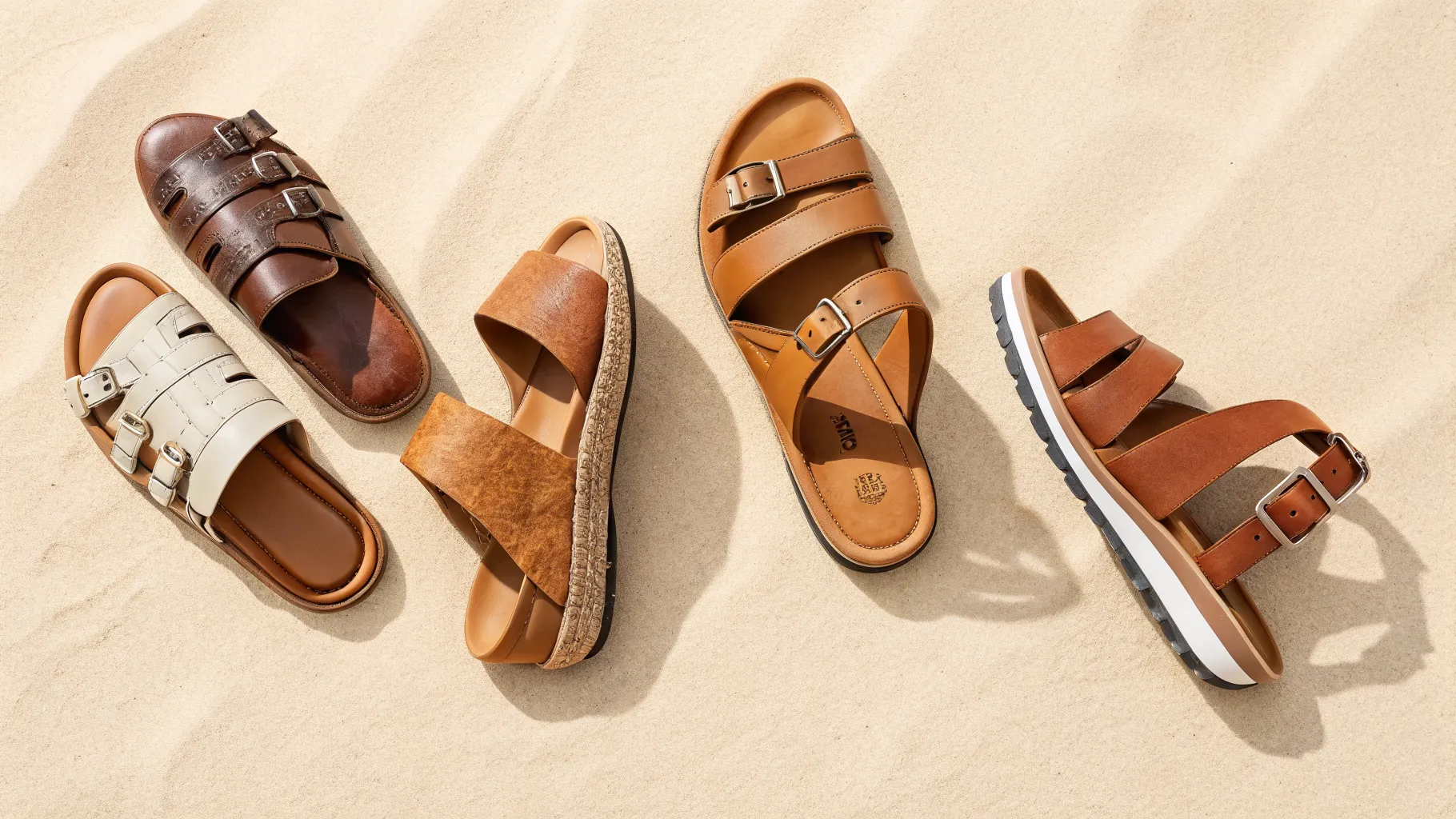
- Supportive Slides: These have evolved from simple poolside footwear to stylish options with contoured footbeds and significant arch support. They are easy to slip on and off while still providing a stable base.
- Sport and Hiking Sandals: Built for adventure, these typically feature multiple adjustable straps, rugged outsoles with deep treads for traction, and cushioned, water-friendly footbeds.
- Wedge Sandals: For those who want a bit of height without the discomfort of a traditional heel, wedges are an excellent choice. The wedge design distributes weight more evenly across the foot, offering greater stability and support.
- Flip-Flops with Arch Support: The classic flip-flop has been upgraded. Many brands now offer this style with anatomical footbeds, arch support, and deep heel cups, transforming it from a flat, unsupportive option into a comfortable everyday choice.
Finding the Right Fit
Even the most well-designed sandal will be uncomfortable if it doesn't fit correctly. A proper fit ensures that the supportive features align with your foot's anatomy. Your heel should sit snugly within the heel cup, and your arch should be centered on the sandal's arch support. There should be a small amount of space between the ends of your toes and the edge of the sandal to prevent them from hanging over.
It is often recommended to shop for shoes in the afternoon or evening, as feet tend to swell slightly throughout the day. When trying on sandals, walk around for a few minutes to see how they feel in motion. Pay attention to the straps; they should be snug enough to hold your foot securely in place but not so tight that they dig into your skin or cause redness.
Caring for Your Sandals to Maintain Comfort
Proper care can extend the life of your sandals and help them retain their comfortable, supportive shape. Regularly cleaning the footbeds can prevent the buildup of dirt and bacteria, which can cause odors and break down the materials over time. The cleaning method will depend on the material; a damp cloth works for many synthetics, while leather may require a specialized cleaner.
Allow your sandals to air dry completely if they get wet, but avoid placing them in direct sunlight or near a heat source, as this can cause materials like leather and cork to crack or warp. For sandals with adjustable straps, check the closures periodically to ensure they are still functioning correctly. By taking these simple steps, you can keep your favorite summer sandals in great condition season after season.