Knitting Classes for Beginners: Your Ultimate Guide to Learn Knitting in 2026
Facts:
- Knitting can lower heart rate and blood pressure.
- The trend of handmade, slow fashion is boosting interest in knitting workshops.
Unraveling Your Creative Potential: Getting Started with Knitting
The timeless craft of knitting is experiencing a remarkable resurgence, offering a peaceful escape from the digital world and the immense satisfaction of creating something beautiful with your own hands. For those new to the craft, the journey begins with finding the right knitting classes for beginners. These foundational courses are designed to transform you from a complete novice into a confident knitter, guiding you through the essential stitches, tools, and techniques. Enrolling in beginner knitting classes is the most effective way to build a solid skill set, ensuring you avoid common frustrations and fall in love with this rewarding hobby from the very first stitch.
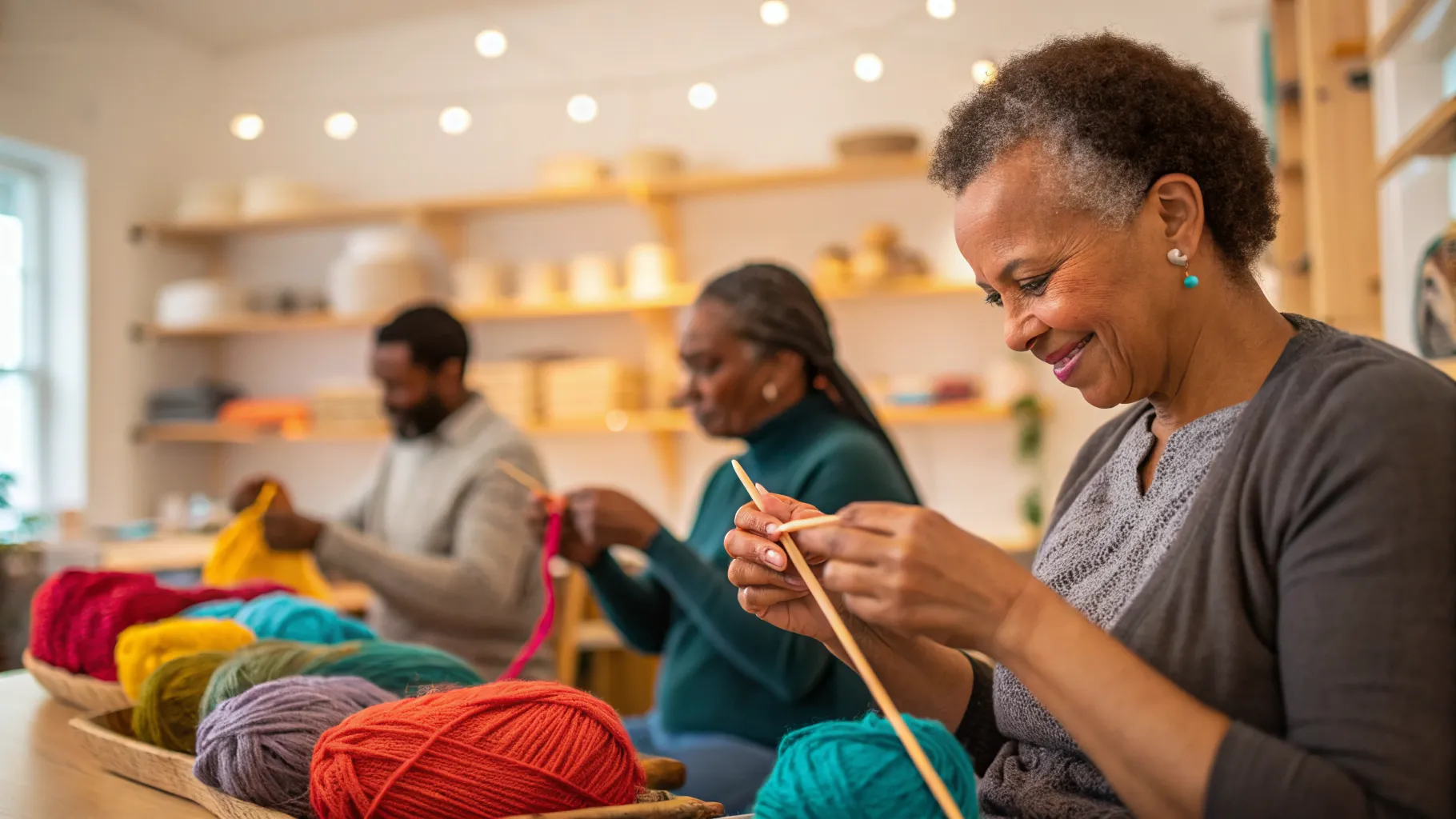
What to Expect in Your First Knitting Lessons
Walking into your first of many knitting lessons can be exciting, and knowing what to expect can ease any initial nerves. Typically, a beginner's course starts with the absolute fundamentals. You'll be introduced to the essential tools: needles and yarn. Instructors will explain the differences between yarn weights and fibers, and help you select the appropriate needle size. The core of your first session will focus on mastering the slip knot and the 'casting on' method, which is how you get your stitches onto the needle to begin a project. From there, you will meticulously learn knitting's two most fundamental stitches: the knit stitch and the purl stitch. These two stitches are the building blocks of all knitting patterns. The class will also cover how to 'bind off' or 'cast off,' which is the technique used to finish your work securely. These structured knitting workshops provide a hands-on, supportive environment perfect for asking questions and receiving immediate feedback.
Choosing Between Online and In-Person Knitting Workshops
When searching for knitting classes for beginners, you'll encounter two primary formats: online and in-person. Each offers distinct advantages. In-person knitting workshops provide a wonderful sense of community and direct, hands-on guidance from an instructor who can physically correct your hand positioning or help fix a dropped stitch. This immediate feedback is invaluable for absolute beginners. Conversely, online beginner knitting classes offer unparalleled flexibility, allowing you to learn at your own pace and revisit lessons as many times as you need. They often feature high-quality video tutorials with close-ups that can be clearer than watching in a group setting. Your choice depends on your learning style. If you thrive on social interaction and direct support, an in-person class is ideal. If you have a busy schedule or prefer self-paced learning, an online course is an excellent way to learn knitting effectively.
Essential Supplies for Your First Beginner Knitting Classes
While many introductory knitting workshops provide initial materials, it's wise to familiarize yourself with the basic toolkit. Having your own supplies allows you to practice between sessions and truly make the craft your own. Here is a list of must-haves for anyone starting their journey with knitting lessons:
- Knitting Needles: For beginners, medium-sized needles (e.g., US size 8 or 5mm) made of wood or bamboo are often recommended. They are less slippery than metal, making it easier to control your stitches.
- Yarn: Choose a smooth, light-colored, worsted-weight yarn. This type of yarn makes it easy to see your stitches and correct mistakes, which is crucial when you first learn knitting. Avoid very dark or highly textured yarns initially.
- Scissors: A small, sharp pair of scissors is essential for cutting yarn.
- Tapestry Needle: This large, blunt-ended needle is used for weaving in the yarn ends when you finish a project, giving it a neat and professional look.
- Stitch Markers: These small rings or clips are used to mark specific points in your pattern, such as the beginning of a round or a pattern repeat. They are a lifesaver in more complex projects.
From Scarf to Sweater: Progressing After Your First Class
Completing your first set of knitting classes for beginners is a major accomplishment, but it's just the beginning of your creative journey. The key to building confidence and skill is to start knitting simple projects immediately. A basic garter stitch scarf (using only the knit stitch) is a classic first project that helps you master tension and create an even fabric. From there, you can move on to dishcloths, coasters, or simple hats. These small projects provide quick gratification and allow you to practice the skills learned in your beginner knitting classes. As you become more comfortable, you can explore patterns that introduce new techniques, like increasing, decreasing, or simple cables. Joining a local knitting circle or an online community can also provide inspiration and support as you tackle more ambitious projects and continue to learn knitting.
Frequently Asked Questions
How much do knitting classes for beginners typically cost?
The cost of knitting classes for beginners can vary widely based on location, class duration, and whether materials are included. A single session workshop might range from $30 to $70, while a multi-week course could be anywhere from $100 to $250. Online courses often offer a range of pricing, from free tutorials to comprehensive paid programs.
What's the difference between a knit and a purl stitch?
The knit and purl stitches are the two foundational stitches in knitting. They are essentially mirror images of each other. A knit stitch creates a 'V' shape on the front of the fabric, while a purl stitch creates a horizontal bump. Combining these two stitches is how all textured patterns, like ribbing and seed stitch, are created in knitting lessons.
Can I effectively learn knitting entirely online?
Absolutely. Many people successfully learn knitting through online courses, videos, and tutorials. The key is to choose high-quality resources that provide clear, close-up demonstrations. While you miss the in-person feedback, the ability to pause, rewind, and re-watch instructions is a significant advantage of online beginner knitting classes.
What is the easiest project for a total beginner?
After taking knitting workshops, the universally recommended first project is a simple scarf using only the garter stitch (knitting every row). This project requires no shaping and allows you to focus solely on creating consistent stitches and practicing your casting on and binding off techniques.
References
- The Craft Yarn Council of America
- Vogue Knitting International
- A History of Hand Knitting
- Textile Arts & Craftsmanship Journal