Unlock Your Potential with DIY Home Projects Classes & Workshops
Facts:
- DIY projects can increase home value significantly.
- Online DIY workshops are a growing trend for homeowners.
Why Enrolling in DIY Workshops is Your Best Home Investment
In an era where self-sufficiency is more valued than ever, the ability to manage and improve your own living space is a powerful asset. Gone are the days of relying on expensive contractors for minor repairs or simple upgrades. The modern homeowner is empowered, and the primary tool for this empowerment is education. Enrolling in diy home projects classes is not just a hobby; it's a strategic investment in your property and your personal capabilities. These courses provide structured, hands-on learning environments where you can safely learn diy skills from experienced professionals, transforming daunting tasks into manageable and rewarding projects. Whether you're looking to build a custom bookshelf or fix a leaky faucet, the right diy training provides the confidence and competence you need.
Finding the Right DIY Home Projects Classes for You
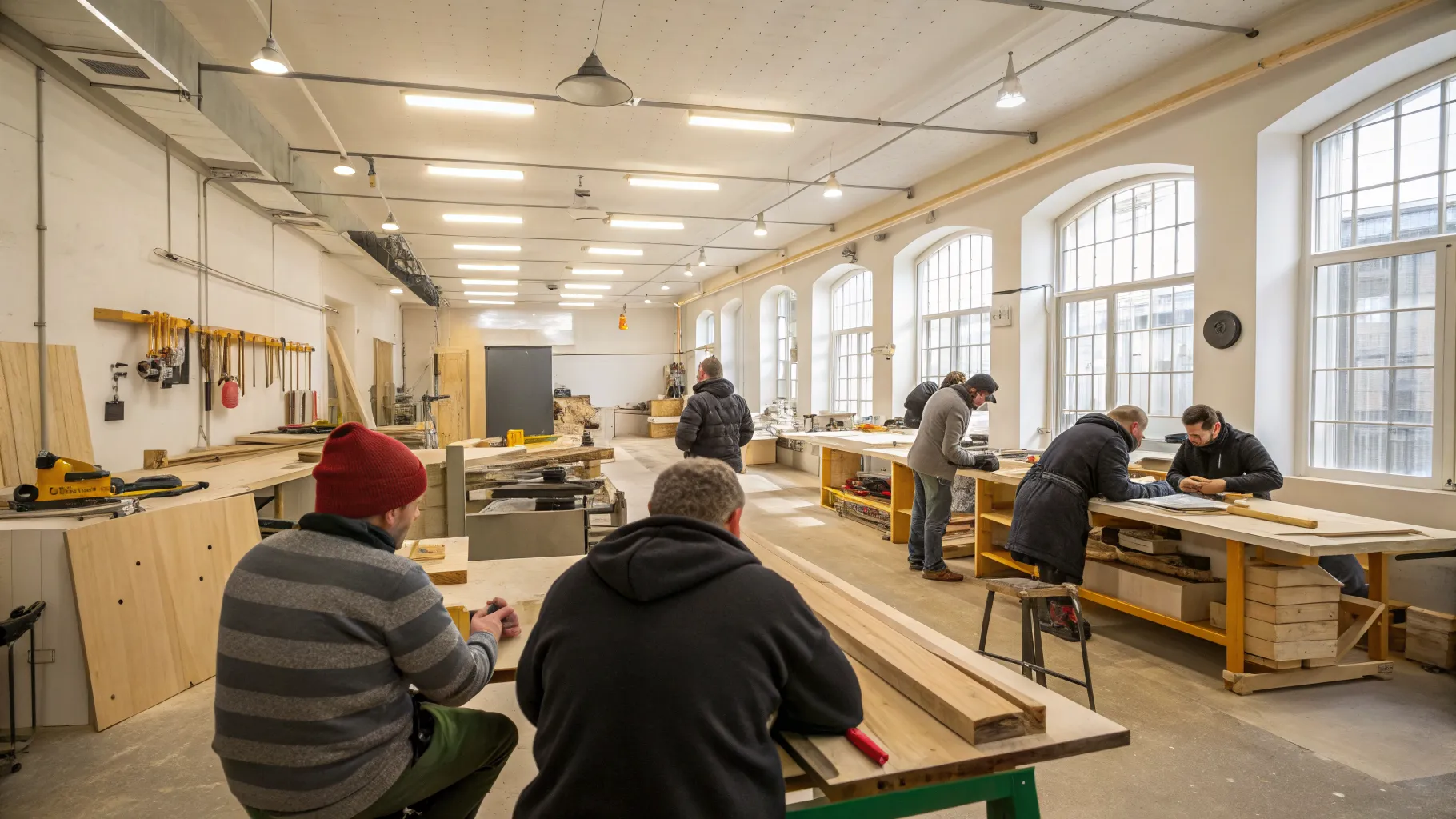
The world of DIY education is vast and varied, catering to every skill level and interest. To find the perfect fit, start by assessing your goals. Are you a complete novice hoping to learn the basics, or do you have some experience and want to tackle a specific project like tiling a bathroom? Many community centers and hardware stores offer introductory diy workshops that cover a broad range of topics, from basic tool safety to simple carpentry. For more specialized knowledge, consider dedicated trade schools or online platforms that offer in-depth courses. When researching home project classes, look for small class sizes that ensure personalized attention, and check reviews to gauge the quality of instruction. The best programs offer a blend of theoretical knowledge and practical, hands-on application, ensuring you can confidently apply what you've learned in your own home.
What to Expect from Your First Home Project Classes
Walking into your first class can be exciting and a little intimidating, but most courses are designed to be welcoming to beginners. Typically, a session begins with a safety briefing and an introduction to the tools and materials you'll be using. A good instructor will guide you step-by-step through the project, explaining the 'why' behind each action, not just the 'how'. These diy home projects classes emphasize a hands-on approach, so be prepared to get your hands dirty. You'll work on a practice piece or a small-scale project that allows you to master the core techniques. This foundational diy training is crucial, as it builds the muscle memory and understanding necessary for more complex undertakings. Don't be afraid to ask questions; the entire purpose of these diy workshops is to create a supportive environment where you can learn diy skills without fear of making mistakes.
The Core Skills You'll Master in DIY Training
A comprehensive DIY curriculum is designed to equip you with a versatile set of abilities. While specific offerings vary, high-quality home project classes typically focus on several key areas that provide the most value to homeowners. These skills form the bedrock of home maintenance and improvement.
- Basic Carpentry and Woodworking: This is often the cornerstone of many diy workshops. You'll learn how to measure accurately, make clean cuts with hand and power saws, join pieces of wood securely, and apply finishes like stain or paint. This knowledge is fundamental for projects ranging from building shelves to repairing furniture or framing a wall.
- Essential Plumbing Fixes: Instead of calling a plumber for every small issue, you can learn diy skills to handle common problems. Classes often cover how to fix a leaky faucet, unclog a drain using various methods, and even replace a toilet's internal components. Understanding your home's plumbing can save you hundreds of dollars in service calls.
- Fundamental Electrical Work: Safety is paramount here, and proper diy training is non-negotiable. Beginner courses focus on safe practices like shutting off power at the breaker box, and teach you how to confidently replace a light fixture, install a dimmer switch, or change an electrical outlet.
- Painting and Drywall Repair: Achieving a professional-looking paint job involves more than just a brush and a can of paint. You'll learn about proper surface preparation, patching holes in drywall, achieving clean lines, and choosing the right type of paint for different surfaces. These are some of the most impactful and accessible diy home projects classes available.
In-Person DIY Workshops vs. Online Courses
Choosing between learning in a physical classroom or online depends heavily on your learning style and resources. In-person diy workshops offer the invaluable benefit of immediate feedback from an instructor and the opportunity to use professional-grade tools you might not own. The camaraderie of learning alongside others can also be highly motivating. On the other hand, online diy home projects classes offer unparalleled flexibility, allowing you to learn at your own pace and revisit complex topics as needed. While they lack direct hands-on guidance, the best online courses use high-quality video and detailed instructions to bridge the gap. For many, a hybrid approach works best: using online resources to learn the theory and then attending a specialized home project classes to practice the physical skills under expert supervision.
Frequently Asked Questions
How do I choose the best diy home projects classes for a beginner?
For beginners, look for courses labeled as 'introductory' or 'level 1'. These classes focus on fundamental skills and safety. Prioritize workshops that cover a broad range of topics like basic tool usage, simple repairs, and small building projects. Reading reviews from past students can also provide insight into the instructor's teaching style and the course's suitability for novices.
Are specialized tools required for most diy workshops?
Generally, no. Most reputable diy workshops and training centers provide all the necessary tools and safety equipment for the duration of the class. This allows you to try different tools before deciding which ones to purchase for your own collection. The course description should always specify if you need to bring anything.
What is the typical duration of a diy training program?
The duration varies widely. A single-topic workshop, like learning to tile a backsplash, might be a few hours on a weekend. More comprehensive home project classes that cover multiple skills, like a full carpentry course, could span several weeks with one or two sessions per week. Choose a format that fits your schedule and learning objectives.
References
- Home Improvement Learning Trends Report
- The Value of Practical Skills in Modern Homeownership
- Consumer Guide to DIY Educational Resources