Woodworking Classes for Seniors: A Complete Guide to Get Started
Facts:
- Woodworking can improve cognitive function and motor skills.
- There is a growing trend in hands-on hobbies for retirees.
Why Woodworking is the Perfect Hobby for Retirement
Embracing new skills during retirement can be incredibly rewarding, and few hobbies are as fulfilling as woodworking. It's more than just creating objects; it's a craft that combines creativity, precision, and patience. For those looking to stay active and engaged, woodworking classes for seniors provide a structured, safe, and social environment to learn a timeless art. These specialized woodworking courses for retirees are designed to accommodate all skill levels, from the absolute beginner who has never held a chisel to the experienced hobbyist looking to refine their techniques.
What to Expect in Carpentry Classes for Seniors
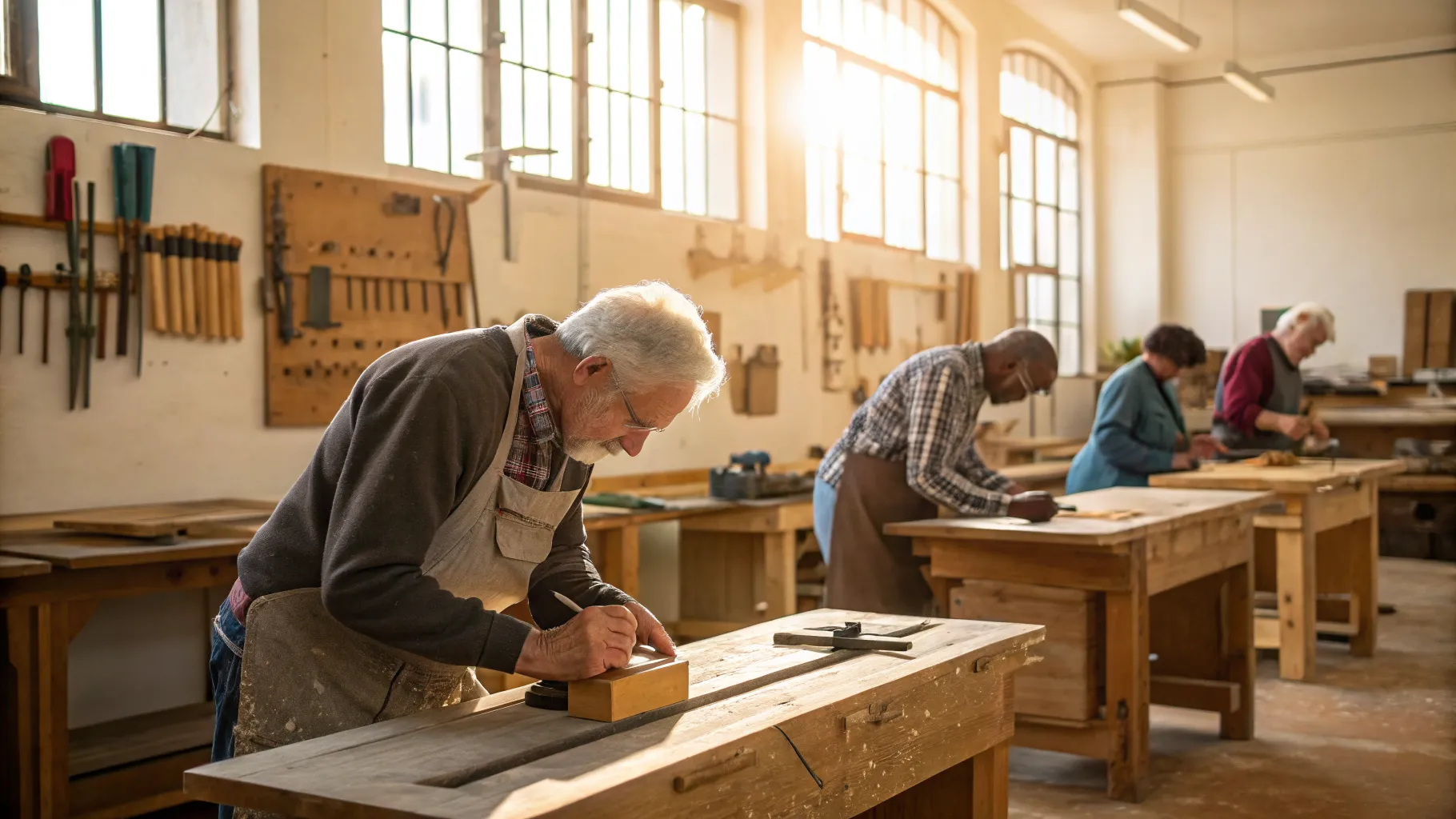
When you sign up for carpentry classes for seniors, you're stepping into a world of creativity and learning. Most courses begin with the absolute basics, focusing on safety as the number one priority. You'll learn about the different types of wood, their properties, and how to choose the right material for your project. Instructors will guide you through the proper use of essential hand tools like saws, chisels, and planes, ensuring you build a solid foundation of skills. As you progress, you'll tackle simple projects such as a small box, a picture frame, or a cutting board. These initial projects are designed to build confidence and teach fundamental techniques like measuring, cutting, and joining wood. The environment in these classes is typically supportive and non-competitive, making it easy to learn woodworking over 60 at your own pace alongside peers with similar interests.
The Unique Health Benefits of Woodworking for Older Adults
Engaging in woodworking offers a surprising number of health benefits, both mental and physical. The detailed nature of the craft enhances fine motor skills, hand-eye coordination, and dexterity. The process of planning a project, measuring cuts, and assembling pieces provides excellent cognitive stimulation, which is vital for maintaining brain health. Furthermore, working with your hands has been shown to be a powerful form of stress relief, reducing anxiety and promoting a sense of calm and mindfulness. Completing a project, no matter how small, fosters a profound sense of accomplishment and pride. Many woodworking workshops for older adults also provide a valuable social outlet, helping to combat loneliness and build community with like-minded individuals.
Choosing the Right Type of Woodworking Course
Not all woodworking courses are created equal, and it's important to find one that aligns with your interests and goals. Community colleges and local recreational centers often offer excellent introductory woodworking classes for seniors that cover a broad range of skills at an affordable price. Private woodworking schools or dedicated workshops may offer more specialized instruction, focusing on specific areas like furniture making, woodturning, or intricate carving. When comparing options, consider class size, instructor experience, and the types of tools and equipment available. Some woodworking courses for retirees are project-based, where everyone builds the same item, while others allow for more creative freedom. Read reviews and, if possible, visit the workshop to get a feel for the learning environment before you commit.
Essential Tools and Safety Practices for Beginners
Safety is paramount in any woodworking endeavor. A good course will dedicate significant time to safety protocols. Here are some key principles you'll learn:
- Always Wear Protective Gear: Safety glasses are non-negotiable to protect your eyes from dust and debris. Hearing protection and dust masks are also highly recommended, especially when working with power tools.
- Start with Hand Tools: Before moving to power tools, it's beneficial to master hand tools. This helps you develop a fundamental understanding of how wood behaves and gives you greater control. Quality hand tools can last a lifetime.
- Keep a Clean Workspace: A cluttered workshop is a dangerous one. Keeping your workbench and the surrounding floor clear of scraps and sawdust minimizes the risk of trips, slips, and other accidents.
- Inspect Your Tools: Always check that your tools are sharp and in good working order before you begin. A dull tool is more dangerous than a sharp one because it requires more force to use, increasing the chance of it slipping.
How to Find Woodworking Workshops for Older Adults
Finding the right class near you is easier than ever. A great starting point is to search online for terms like 'woodworking workshops for older adults' or 'carpentry classes for seniors' plus your city or region. Check the websites of local community centers, senior centers, and vocational or technical colleges, as they frequently offer such programs. Don't forget to visit local lumberyards or woodworking supply stores like Rockler or Woodcraft; they often host classes or can recommend reputable local instructors and workshops. Joining a local woodworking club or guild is another fantastic way to connect with experienced woodworkers and find out about learning opportunities in your area.
Frequently Asked Questions
Do I need any prior experience to join woodworking classes for seniors?
Absolutely not! The vast majority of woodworking classes for seniors are designed specifically for beginners. Instructors understand that many participants are new to the craft and will guide you through the fundamentals, from understanding wood types to using tools safely.
What is the physical requirement to learn woodworking over 60?
While woodworking involves some physical activity, most tasks are manageable. Many carpentry classes for seniors adapt their teaching methods to accommodate varying physical abilities. The focus is on safe techniques, and many projects don't require heavy lifting. It's always best to discuss any concerns with the instructor beforehand.
Are tools and materials provided in woodworking courses for retirees?
This varies by course. Many introductory woodworking courses for retirees provide all necessary tools and a starter pack of materials. More advanced workshops might require you to bring your own hand tools. Always check the course description or contact the provider for specifics.
References
- Journal of Applied Gerontology
- American Association of Woodturners
- National Institute on Aging
- Fine Woodworking Magazine