What to Expect on a 7-Day Greek Islands Cruise
Embarking on a seven-day cruise through the Greek Islands offers a fantastic overview of this iconic region, blending relaxation at sea with daily adventures on land. It's a journey that can take you from ancient ruins to sun-drenched beaches in a single week. Understanding the rhythm of a cruise and what different itineraries offer is the first step in planning an unforgettable trip.
Understanding the 7-Day Itinerary
A seven-day itinerary provides a balanced taste of the Greek archipelago. Most of these cruises operate on a round-trip basis, commonly departing from and returning to Piraeus, the port of Athens. This convenience allows travelers to easily add a day or two before or after the cruise to explore the historic capital. The structure of the week is designed to maximize your time exploring different islands while also providing moments of rest.
Typically, a one-week cruise includes four or five port days and one or two full days at sea. Port days involve docking at a new island each morning, giving you several hours or a full day to explore. Sea days are for enjoying the ship's amenities, from pools and spas to restaurants and entertainment, as the vessel repositions to the next destination. This combination ensures you see a lot without the hassle of constantly packing and unpacking.
Popular Island Destinations
While it's impossible to see all of Greece's islands in a week, most 7-day cruises focus on a curated selection within a specific island group, most often the Cyclades. Each island has its own unique character, history, and appeal, and itineraries are designed to showcase this diversity. Knowing what each stop offers can help you choose the right route for your interests.
Common stops on a week-long cruise often include a mix of the following destinations:
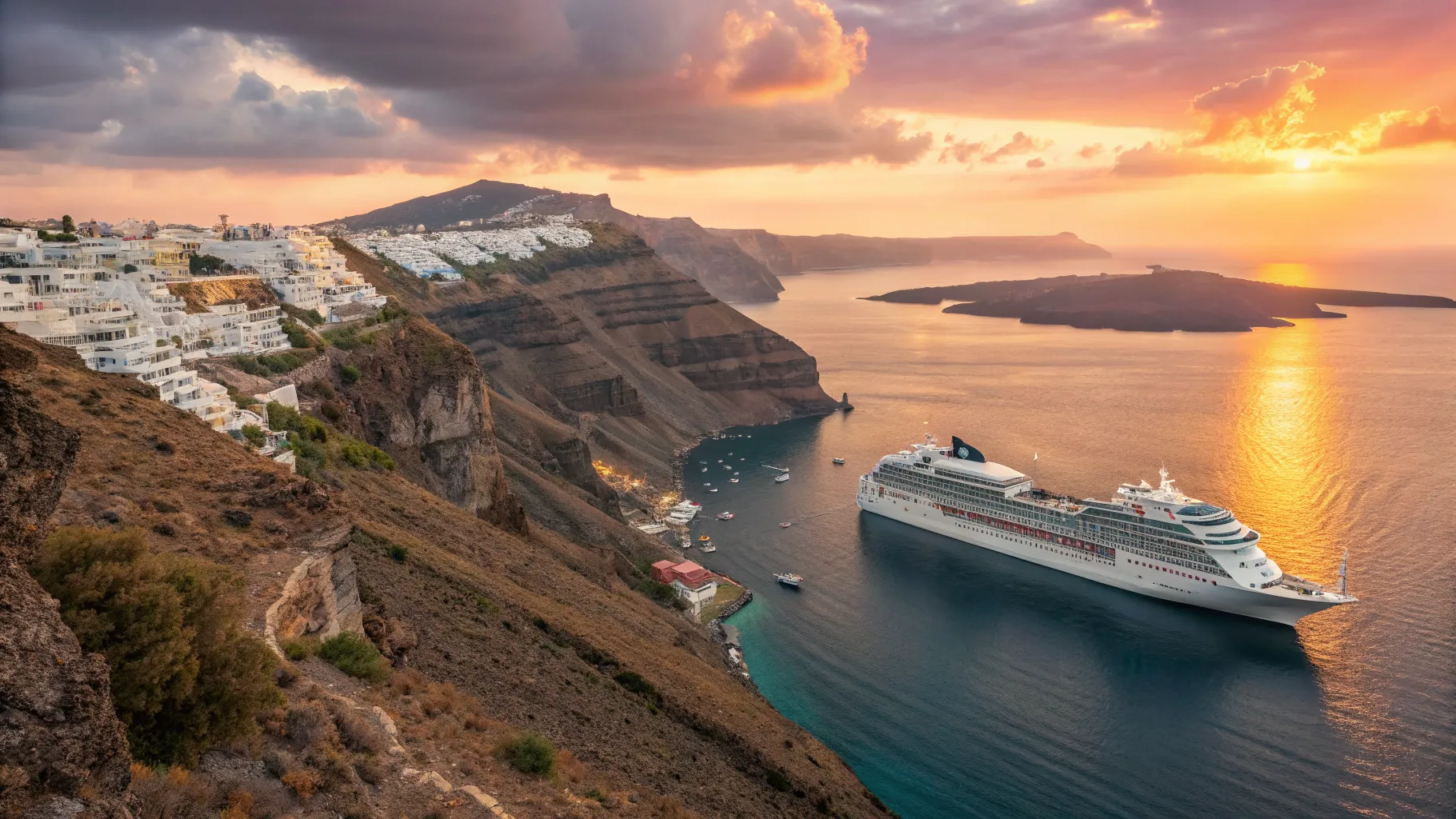
- Santorini: Famed for its breathtaking caldera views, iconic white-washed villages clinging to cliffs, and romantic sunsets.
- Mykonos: Known for its cosmopolitan atmosphere, vibrant nightlife, picturesque windmills, and beautiful sandy beaches.
- Crete: As the largest Greek island, it offers a wide range of experiences, from the ancient Minoan palace of Knossos to rugged mountains and historic cities like Chania.
- Rhodes: A destination rich in history, featuring a magnificent medieval Old Town that is a UNESCO World Heritage site.
- Patmos: A quieter, more spiritual island known for the historic Monastery of Saint John the Theologian and the Cave of the Apocalypse.
- Corfu: Located in the Ionian Sea, this island is characterized by its lush green landscapes and elegant Venetian-style architecture.
Choosing the Right Type of Cruise
The experience of a Greek islands cruise can vary dramatically depending on the size and style of the ship you choose. Large, resort-style cruise ships can accommodate thousands of passengers and offer a vast array of amenities, including multiple restaurants, swimming pools, theaters, and kids' clubs. These are often a good choice for families or travelers seeking constant entertainment and variety.
For a different kind of experience, consider smaller vessels, luxury yachts, or even sailing ships. These cruises host fewer passengers, creating a more intimate and personalized atmosphere. Their smaller size also allows them to access smaller ports and secluded coves that are off-limits to larger ships. This can lead to a more authentic exploration of the islands, away from the biggest crowds.
What's Typically Included and What's Not
Understanding the cruise fare is crucial for budgeting. A standard cruise package almost always includes your accommodation (the cabin), meals in the main dining rooms and buffet restaurants, and basic beverages like tap water, coffee, and tea. Access to most onboard facilities, such as the pools, fitness center, and general entertainment, is also part of the base price.
However, many other expenses are typically extra. Be prepared for additional charges for specialty dining experiences, alcoholic beverages, sodas, and bottled water. Other common add-ons include Wi-Fi access, spa treatments, and crew gratuities, which are often automatically added to your onboard account. Shore excursions booked through the cruise line are also a significant extra cost, so it's important to factor these potential expenses into your overall travel budget.
Preparing for Your Greek Island Cruise
Packing appropriately will greatly enhance your comfort and enjoyment. The Mediterranean climate calls for lightweight clothing, swimwear, and plenty of sun protection, including a wide-brimmed hat, sunglasses, and high-SPF sunscreen. Most importantly, bring comfortable walking shoes. You will spend a lot of time exploring ancient sites and wandering through charming villages with cobblestone streets.
Beyond clothing, there are a few other practicalities to consider. The official currency in Greece is the Euro. While credit cards are accepted in most established shops and restaurants, it's always wise to carry some cash for smaller purchases, local markets, or tips. Also, check with your mobile provider about international roaming plans to avoid unexpected charges while using your phone on shore.
Making the Most of Your Port Days
With only a limited number of hours at each port, having a plan is essential. Before your trip, research each destination to identify the sights or activities that interest you most. This will help you decide whether to join an organized shore excursion or explore independently. The cruise line's excursions offer convenience and the security of a guaranteed return to the ship on time.
Alternatively, exploring on your own provides more freedom and flexibility. In many ports, you can easily walk from the ship into the main town. For destinations further afield, you can use local taxis or public transportation. Independent exploration can often lead to more authentic discoveries, like a family-run taverna or a quiet, secluded beach. Just be sure to keep a close eye on the time to ensure you are back on board well before the scheduled departure.