Exploring Northern Europe: A Guide to 7-Day Baltic Sea Cruises
A 7-day Baltic Sea cruise offers a fantastic way to experience the rich history, stunning architecture, and unique cultures of Northern Europe in a relatively short amount of time. These voyages typically blend sea days with packed port days, allowing travelers to sample several countries and iconic cities. Whether you're drawn to medieval old towns, imperial palaces, or modern Scandinavian design, a week-long journey through the Baltic provides a memorable and convenient overview of this captivating region.
What is a Baltic Sea Cruise?
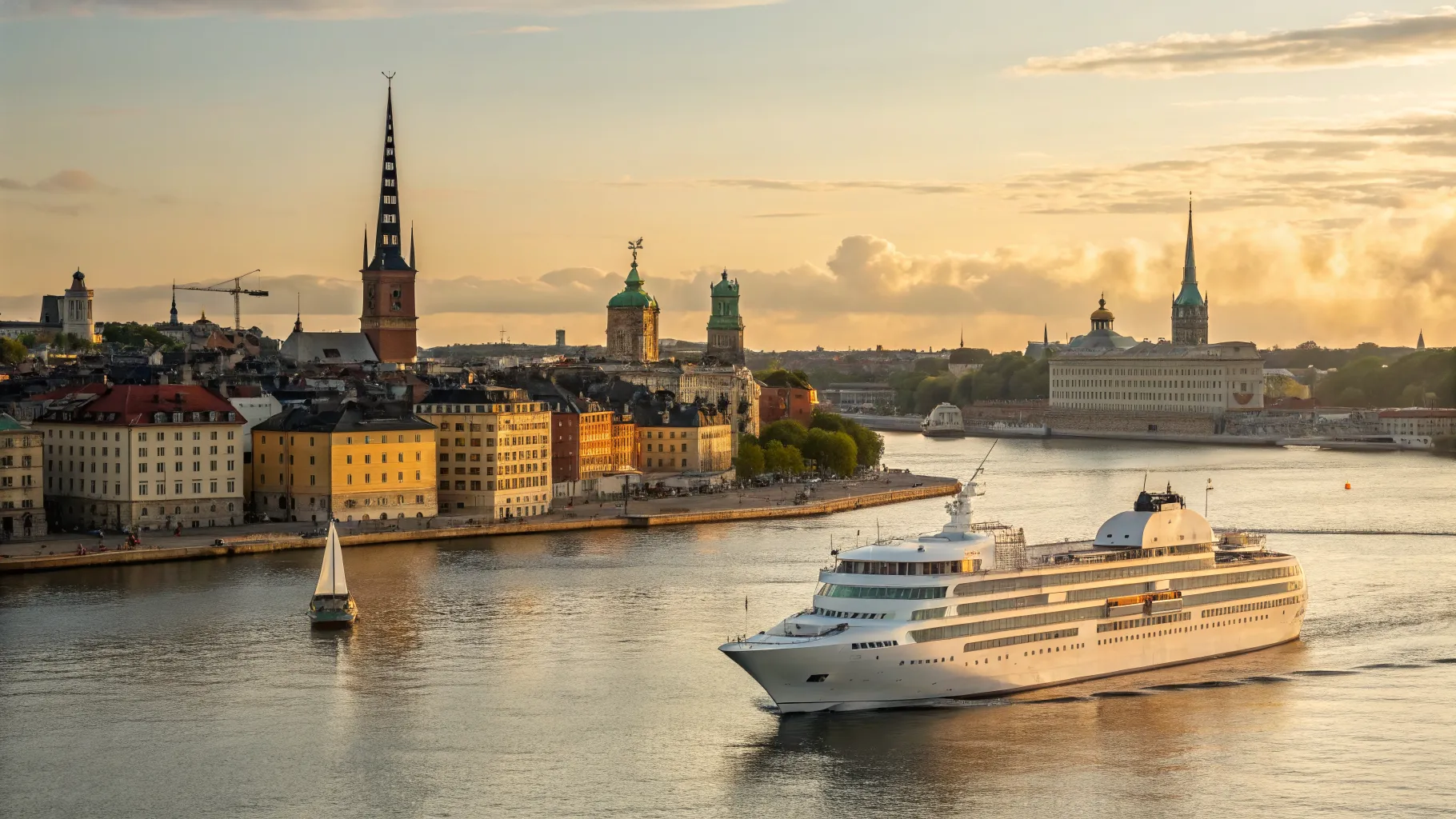
A Baltic Sea cruise is a voyage that explores the countries surrounding the Baltic Sea in Northern Europe. These trips are known for their port-intensive itineraries, meaning you'll spend most days exploring a new city. The appeal lies in the diversity of destinations, which can include Scandinavian capitals, historic Hanseatic league cities, and the unique cultures of the Baltic states. It's a journey through centuries of history, from Viking legacies to Soviet-era landmarks, all accessible from the comfort of a modern cruise ship.
Unlike cruises in warmer climates that might focus on beaches and relaxation, Baltic cruises are centered on cultural immersion and historical exploration. Days are typically spent on shore excursions or exploring cities independently. The relatively short distances between major ports allow for a packed schedule, making a 7-day trip feel like a much longer and more comprehensive vacation. It's an ideal choice for history buffs, architecture lovers, and anyone curious about this fascinating corner of the world.
Common 7-Day Itineraries
Most 7-day Baltic Sea cruises operate on a round-trip basis from major Northern European ports like Copenhagen, Denmark, or Stockholm, Sweden. While itineraries vary between cruise lines, a typical week-long journey will visit three to five different ports. This allows for a good balance between seeing the highlights and having enough time to enjoy the ship's amenities on sea days.
A classic 7-day itinerary often includes the following types of destinations:
- Scandinavian Capitals: Stops in Stockholm, with its beautiful archipelago and Gamla Stan (Old Town), or Helsinki, Finland, known for its design district and unique architecture.
- The Baltic States: A visit to Tallinn, Estonia, is a highlight for many, featuring one of Europe's best-preserved medieval city centers. Riga, Latvia, is another potential stop, famous for its Art Nouveau architecture.
- German Ports: Some itineraries begin or end in German ports like Warnemünde (for Berlin excursions) or Kiel.
- Other Stops: Depending on the route, you might also visit places like Gdansk, Poland, or the Swedish island of Visby. Note that for geopolitical reasons, St. Petersburg, Russia, is generally not included in current itineraries.
Choosing the Right Time to Go
The Baltic cruise season is relatively short, running from late spring to early autumn, typically from May through September. The peak season is during the summer months of June, July, and August. This period offers the best weather, with long daylight hours and the famous 'White Nights' in June, where the sun barely sets in the northernmost cities. This is the most popular time to travel, so expect larger crowds and higher prices.
For those looking for a balance of pleasant weather and fewer people, the shoulder months of May and September are excellent alternatives. In May, you'll experience the beauty of Northern Europe in bloom, while September often brings crisp autumn air and changing foliage. While the weather can be less predictable during these months, the trade-off is a more relaxed atmosphere in port and potentially better deals on cruise fares.
What to Expect Onboard
The onboard experience can vary significantly depending on the cruise line you choose. The Baltic Sea is serviced by a wide range of operators, from large, family-friendly mega-ships with water slides and extensive entertainment to smaller, more luxurious vessels focused on fine dining and enrichment lectures. Regardless of the ship size, you can expect comfortable accommodations, a variety of dining options, and organized activities.
Evenings and sea days are your time to enjoy what the ship has to offer. This might include theatrical productions, live music, spa treatments, or educational talks about the history and culture of the upcoming ports. Dining is a central part of the cruise experience, with options ranging from casual buffets to elegant main dining rooms and specialty restaurants that may require an additional fee. Most ships also feature lounges and bars perfect for relaxing after a long day of sightseeing.
Packing Essentials for a Week in the Baltics
Packing for a Baltic cruise requires some planning due to the region's variable weather, even in the summer. The key is to bring layers. A typical day might start cool and misty, become warm and sunny by the afternoon, and then turn windy and chilly in the evening. Be sure to pack a mix of short-sleeved and long-sleeved shirts, sweaters or fleeces, and a waterproof and windproof jacket.
Comfortable walking shoes are non-negotiable. You will be doing a lot of walking on cobblestone streets and uneven surfaces in historic city centers. It's also wise to pack something a bit more formal for the ship's 'elegant' or 'formal' nights, although the dress code is often more relaxed than on other cruise routes. Other essentials include a daypack for shore excursions, a portable charger, any necessary medications, and sunscreen, as the sun can be surprisingly strong.
Shore Excursions and Port Exploration
When you arrive in port, you generally have two options: book a shore excursion through the cruise line or explore independently. Cruise-led excursions are convenient, as they handle all transportation and logistics, and they guarantee you'll be back to the ship on time. These tours often cover the main highlights of a city, such as a visit to the Hermitage Museum in its former St. Petersburg stop or a walking tour of Tallinn's medieval walls.
Exploring on your own offers more flexibility and can often be more budget-friendly. Most Baltic ports have city centers that are easily accessible from the cruise terminal by foot, shuttle bus, or public transport. Doing some research ahead of time will help you prioritize what you want to see. You can join local walking tours, use ride-sharing apps, or simply wander and discover hidden gems at your own pace. Just be sure to keep a close eye on the time to ensure you return to the ship before its scheduled departure.
Understanding Costs and What's Included
Understanding what your cruise fare covers is essential for budgeting. Typically, the price includes your cabin accommodation, most meals (in the main dining room, buffet, and some cafes), select beverages like water and coffee, and access to most onboard entertainment and facilities like pools and fitness centers. This provides great value, as your lodging and transportation between countries are all rolled into one price.
However, there are several common extra costs to anticipate. These almost always include shore excursions, alcoholic beverages and specialty coffees, meals at specialty restaurants, crew gratuities (which are often automatically added to your onboard account), and personal expenses like spa treatments or souvenirs. When comparing cruise prices, be sure to factor in these potential additional costs to get a true sense of the total vacation expense.